Best Ground Microphone Leak Detectors for Wall Leaks and Pipe Checks
Answer: If you need to locate leaks behind walls, floors, or around piping, choose a ground microphone leak detector that offers clear through-wall listening, solid battery life, and easy probe access. The top picks below are best for plumbers, building inspectors, and DIY homeowners who want quick, non-destructive leak detection. Each product is selected for through-wall sensitivity, portability, and practical use across common material types like concrete, steel, wood, and glass.
| Product | Best For | Key Benefit |
|---|---|---|
| Klanata Sound Amplifier & Water Leak Detector | Professional plumbing and wall-due investigations | Clear sound and versatile wall materials |
| UPALDHOU Voice Listen Detector | Through-wall listening on diverse pipe materials | Easy probe connection and portable design |
| YUYTE Through Wall Microphone Leak Detector | In-wall and floor leak searches | User-friendly interface and wide material compatibility |
| VBESTLIFE Sound Amplifier | Home inspection and small-scale plumbing | High sensitivity and clear sound |
| XWG Water Leak Detector Underground | Underground and behind-wall detection | Digital display and pro-level kit |
Note: All products are chosen for practical leak-detection tasks, including leak tracing behind walls, within floors, and around piping commonly found in homes and small commercial spaces. Each section below outlines who it’s best for, why selected, and any practical caveats to consider during purchase.
Klanata Sound Amplifier & Water Leak Detector
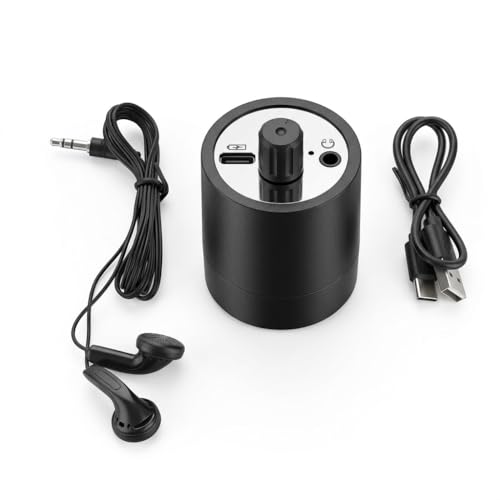
Best for: Plumbing professionals and contractors who need reliable wall-through listening in multiple materials. The device emphasizes clear sound and a compact battery-powered design for on-site use. It supports through-wall listening across concrete, steel, wood, iron, glass, and other surfaces, making it versatile for pipe leakage and wall inspections.
Why selected: Its high clarity and broad material compatibility help pinpoint leak sources without destructive work. The included 200 mAh battery supports portable, all-day operations in fieldwork.
Caution: The device relies on ambient sound cues; extremely noisy environments may reduce precision. Consider pairing with earphones for better isolation in loud sites.
UPALDHOU Voice Listen Detector

Best for: Inspectors and DIY users who want straightforward probe connections to hear faint sounds through pipes. The through-wall microphone is designed to connect to pipe materials and deliver audible cues via headphones, simplifying leak detection tasks.
Why selected: Versatile detection across concrete, steel, wood, iron, and glass pipes, with a compact form factor for field mobility. Clear sound quality supports accurate localization.
Caution: Probe setup requires a stable connection to the pipe material; loose contact can hinder signal reception. Ensure proper probe seating for best results.
YUYTE Through Wall Microphone Leak Detector

Best for: Home inspectors and professionals who want a multi-material leak-detection tool with an easy-to-operate interface. The unit emphasizes practical use across walls and floors with a portable design.
Why selected: It combines a wide range of materials with a simple control layout, including a charging hole, earphone jack, and an on/off knob. The included probe provides flexible listening for subtle leakage cues.
Caution: May require external headphones or speakers for enhanced listening in noisy environments. User comfort and grip can vary with extended use.
VBESTLIFE Sound Amplifier

Best for: Builders and homeowners performing routine leak checks around pipes and floors. The device emphasizes a comprehensive sound amplification with a through-wall focus.
Why selected: High sensitivity and clear voice listening make it suitable for identifying leak cues across various wall types. The interface includes a charging hole and earphone port for easy operation.
Caution: Battery life and long-term durability depend on usage patterns; avoid prolonged continuous operation in extreme temperatures to maintain performance.
XWG Water Leak Detector Underground

Best for: Plumbers and homeowners focusing on underground or behind-wall detection with a professional kit. It includes a ground probe and a digital display for precise readings.
Why selected: A digital LCD readout aids quick interpretation of leak signals, and the kit supports sensitive detection across multiple pipe types and surfaces. The noise-canceling headphones help isolate signals in busy environments.
Caution: The tool may require setup time to calibrate sensitivity; improper calibration can affect accuracy in early uses.
Buying Guide: Ground Microphone Leak Detectors
What should you look for when buying a through-wall or ground microphone leak detector?
- Through-wall sensitivity: Choose models that clearly hear low-volume sounds through common wall types (concrete, wood, steel).
- Material compatibility: Prioritize devices tested for concrete, steel, wood, glass, and other pipe materials.
- Power and portability: Battery life and compact design improve on-site usability.
- Probe and accessory quality: A reliable probe and headphones improve localization accuracy.
- User interface: Clear controls and quick setup save time during inspections.
- Calibration and range: Some devices offer adjustable sensitivity and a digital readout for precise pinpointing.
- Safety and interference: Ensure devices are designed to minimize interference in busy environments.
Practical buying considerations
- Professional vs. DIY: Professionals may prefer kits with multiple materials support and higher sensitivity; DIY users may prioritize ease of use and portability.
- Use-case scenarios: For underground leaks, select models with ground probes and robust noise isolation.
- Maintenance: Look for devices with replaceable batteries and durable construction for field use.
Questions to help choose
- Is the device designed for through-wall listening across multiple materials?
- Does it include an easy-to-use probe interface for pipe detection?
- Does the unit provide a clear output for precise leak localization?
- Are headphones or speakers included for better signal isolation?
- Is the device suitable for both professional and DIY contexts?
FAQ
- What material types can these detectors work with? They work with concrete, steel, wood, iron, glass, and other common pipe materials.
- What is the typical best-use scenario? Locating leaks behind walls, under floors, and around piping without destructive digging.
- Do these devices require special skills? Basic operation is straightforward; more complex use benefits from following manufacturer guidance.
- Can these be used for underground leaks? Some models include ground probes suitable for underground detection.
- Are batteries replaceable? Many models use built-in lithium or rechargeable batteries; check each product page for battery details.