Best Energy Star Rated Water Heaters for Efficient Home Hot Water
Looking for energy-efficient water heaters that cut utility bills without sacrificing performance? This guide highlights five top options that align with Energy Star standards or deliver clear energy-saving benefits. The top picks are well-suited for households of different sizes and hot water needs, from compact spaces to larger homes. Below you’ll find concise why-to-buy notes, best-use scenarios, and a practical Buying Guide to help you compare features side-by-side.
Quick comparison table of selected products:
| Product | Best For | Key Benefit | Limitations |
|---|---|---|---|
| Rinnai REHP50 Electric Heat Pump Water Heater | Smaller families, energy-conscious homes | High UEF, 73 gal first hour | Requires space for heat pump model |
| Rinnai REHP80 Electric Heat Pump Water Heater | Larger households, high demand | UEF 4.00, 91 gal first hour | Higher upfront cost |
| ACiQ Electric Hybrid 50 Gallon | Basements or garages, indoor installs | Hybrid heat pump efficiency | Indoor temperature sensitivity |
| GE Appliances 30 Gallon Electric Water Heater | Small to mid-size homes | Real capacity, strong first-hour rating | Not explicitly Energy Star labeled in listing |
| GE 10 Gallon Plug-and-Play Electric | RVs, apartments, quick hot water needs | Easy installation, 120V | Limited capacity |
Rinnai REHP50 Electric Heat Pump Water Heater – 50 Gallon

Best for: households of 3–4 people with steady hot water demand who want lower energy costs. This model uses ambient air heat to deliver hot water with zero emissions and a high UEF of 3.75, contributing to noticeable monthly savings. With up to 73 gallons of hot water in the first hour, it handles morning showers and dishwashing without a second unit. Demand-Response Enabled helps utilities reduce usage during peak periods, potentially lowering electricity bills during peak times.
Why chosen: The REHP50 combines compact footprint with heat-pump efficiency, making it a strong choice for energy-minded buyers seeking reliable hot water for mid-sized homes.
Caution: The unit may require space and ventilation appropriate for heat-pump equipment; ensure indoor placement complies with install guidelines.
Rinnai REHP80 Electric Heat Pump Water Heater – 80 Gallon

Best for: larger households (5+ people) or homes with high hot water demand. This model offers an Energy Star certified 4.00 UEF and a robust first-hour delivery of up to 91 gallons, making it well-suited for busy mornings or multi-space usage. Demand-Response Enabled helps reduce energy costs during utility peak hours.
Why chosen: The higher capacity and strong efficiency balance make the REHP80 a good pick for energy-conscious buyers who cannot compromise on hot water availability.
Caution: Higher capacity requires more installation space and possibly specific electrical requirements; verify home electrical service accommodates 30A 240V setup.
ACiQ Electric Residential Hybrid 50 Gallon

Best for: indoor installations in basements or garages where space and ambient temperatures favor heat-pump efficiency. This hybrid unit blends heat-pump operation with electric heating, delivering energy savings while meeting typical needs for mid-sized households.
Why chosen: The ACiQ model emphasizes indoor suitability and efficient operation, aligning with buyers who want a quieter, space-saving solution with solid daily hot water delivery.
Caution: It requires stable indoor temperatures and adequate air circulation; very cold spaces may reduce efficiency.
GE Appliances 30 Gallon Electric Water Heater

Best for: small to mid-size homes or apartments needing reliable hot water with a strong first-hour rating. The unit holds a true 30 gallons and delivers up to 53 gallons in the first hour, providing solid performance for households of 1–3 people.
Why chosen: Its true 30-gallon capacity and first-hour performance make it a practical option where space is limited but hot water demand remains regular.
Caution: While listed features emphasize performance, verify installation space and electrical compatibility for optimal operation.
GE Appliances 10 Gallon Plug-and-Play Electric
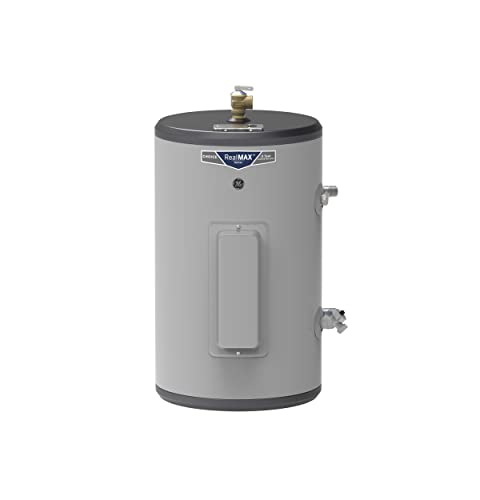
Best for: portable or space-constrained setups such as apartments, cabins, RVs, or garages needing quick hot water with minimal installation complexity. This 120-volt unit is ideal where dedicated 240V circuits are unavailable.
Why chosen: The plug-and-play design enables flexible placement and fast hot water access without heavy electrical work.
Caution: Low capacity means it won’t serve larger households or high simultaneous-demand scenarios; consider how you’ll meet peak needs.
2000W Immersion Water Heater (Bucket Heater)

Best for: temporary hot water in camping or emergency setups where portability matters. This immersion heater heats 5 gallons of water quickly and offers LCD temperature readout for safety.
Why chosen: When you need portable hot water without a full installation, this option provides a simple, compact solution. Use with caution to avoid safety hazards around high temperatures.
Buying Guide: Key Considerations For Energy-Smart Water Heaters
- Type and technology: Heat-pump (hybrid) models are typically more energy-efficient than conventional electric tank heaters. Tankless options save energy by heating on demand but may have higher upfront costs and installation considerations.
- Capacity and first-hour rating: Choose a unit with enough first-hour delivery for your household size and peak usage. Larger families may need higher gallons-per-hour (GPH) or a larger tank.
- Energy performance: Look for Energy Star certification where applicable and review Uniform Energy Factor (UEF) or energy-saving features like demand-response compatibility.
- Space and installation: Heat-pump units may require space for air circulation. Tankless units need proper venting and clearances; compact models suit small spaces but verify electrical needs.
- Electrical and utility considerations: Ensure your home electrical system supports the unit’s voltage and amperage. Some models support demand-response programs to cut energy use during peak times.
- Maintenance and durability: Consider corrosion resistance, warranty terms, and ease of service when selecting a model for long-term use.
Frequently Asked Questions
- What makes a water heater Energy Star certified?
– Energy Star certification indicates the unit meets or exceeds energy efficiency guidelines set by the U.S. EPA, helping reduce operating costs over time. - Are heat pump water heaters better for energy savings than traditional electric heaters?
– Yes, heat-pump or hybrid units use ambient heat to warm water, typically achieving higher efficiency and lower operating costs in appropriate climates. - How do tankless water heaters compare in energy efficiency?
– Tankless heaters heat water on demand, eliminating standby energy loss, but efficiency depends on how you use and size the system for your hot water needs. - What should I consider when choosing a capacity?
– Consider household size, peak cooking and shower times, number of bathrooms, and whether you want a single unit or a staged system with backups. - Can I install these in an apartment or garage?
– Many compact or 120V models fit apartments or garages, but always verify local codes, venting requirements (for gas or tankless), and electrical supply. - Do these units require professional installation?
– Most require professional installation to ensure electrical wiring, venting, and plumbing meet safety standards and code requirements.