Best Electrical Panel Cooling Fans for Safe, Efficient Enclosures
Answering the need for reliable cooling in electrical panel enclosures, these fans are designed to reduce heat buildup, prevent overheating, and extend equipment life. This guide highlights five top options for different setups—from compact cabinet cooling to solar-powered ventilation. Best fits include DIY enthusiasts, small workshop owners, outdoor installations, and cabinet-based AV or server setups. Below is a quick summary to compare core capabilities at a glance.
| Product | Brand | Best For | Key Benefit |
|---|---|---|---|
| Electrical Cabinet Cooling Fan and Thermostat Set for Electrical Box Enclosures | SWPEC | All-purpose electrical enclosures | 4-in-1 set with cooling fan, thermostat, air-switch, and plug |
| DEWENWILS 2 Pack 120V AC Fan, 120mm | DEWENWILS | Refrigerator, compressor, or cabinet cooling | UL-listed, high airflow (90 CFM) with durable die-cast shell |
| Nalle 120MM Quiet Cooling Single Fan System | Nalle | Home theater AV cabinets and server enclosures | Ultra-quiet operation with adjustable speed (10 speeds) |
| pqins 5 Inch Solar Powered Fan Kit | pqins | Greenhouse, shed, chicken coop, outdoor enclosures | Solar powered with IP67 waterproof design and dual fans |
| SXDOOL 803 White Enclosure Cabinet Ventilator Kit | SXDOOL | Industrial or electronics cabinets | Dustproof and IP44 waterproofing with copper motor |
Electrical Cabinet Cooling Fan and Thermostat Set

Best for: installations that require an integrated cooling solution with monitoring. This 4-in-1 kit includes a cooling fan, thermostat, air-switch, and plug. The 80x80x25 mm fan operates on AC110/120V with a modest 13–14W draw. The combination simplifies wiring and control, making it suitable for compact electrical boxes that need automatic temperature management. Caution: careful mounting is needed to ensure proper airflow and secure wiring connections.
DEWENWILS 2 Pack 120V AC Fan

Best for: users needing high-volume air movement in varied enclosures. The 120mm exhaust fans deliver up to 90 CFM each, with a durable die-cast aluminum shell and UL listing. These are ready-to-use right out of the box and include mounting hardware. Caution: ensure adequate clearance for mounting and confirm compatibility with existing wiring harnesses.
Nalle 120MM Quiet Cooling System

Best for: quiet operation in home theater or server cabinets where noise matters. This dual-fan setup touts ultra-quiet performance with a 65,000-hour lifespan via dual ball bearings and a 10-speed controller for customizable airflow. Caution: ensure the speed range aligns with desired cooling without over-ventilating or creating vibration.
pqins Solar Powered Dual Fans

Best for: outdoor or semi-outdoor spaces needing independent, energy-free ventilation. The dual 5-inch fans use monocrystalline solar panels with IP67 waterproofing and can operate as exhaust or intake units. Caution: solar performance depends on sun exposure; in low-light conditions, airflow drops significantly.
SXDOOL 803 White Enclosure Kit
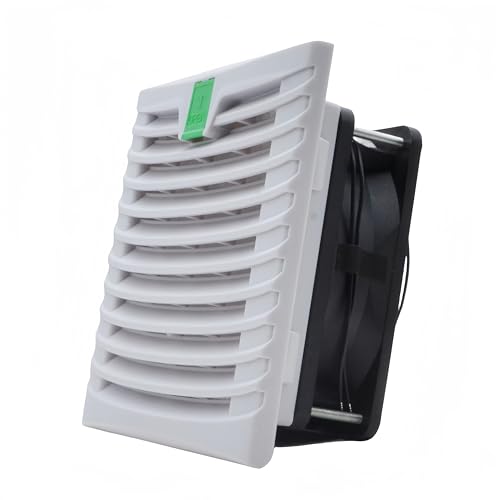
Best for: durable, weather-protected cabinet cooling with integrated protection. This kit features a louvered ABS vent, IP44 dust and waterproofing, and a copper motor for reliable airflow. Caution: may be overkill for small enclosures; verify size and mounting requirements before installation.
Namunanee Outdoor Box With Thermostat And Fan

Best for: outdoor electrical equipment that requires automatic temperature control. This ABS enclosure offers a built-in thermostat and a fan to actively cool internal devices. The hinged cover simplifies access while keeping dust and water from entering. Caution: outdoor use requires proper sealing and weather-proofing to prevent moisture ingress.
Buying Guide: How to Choose the Right Electrical Panel Cooling Fan
Consider enclosure size, mounting options, and the environment when selecting a fan. Smaller boxes benefit from compact, low-noise units, while larger cabinets may require higher airflow or multiple fans. Decide between built-in thermostats, manual switches, or solar power based on application and energy considerations. Materials matter: metal housings offer durability, while IP-rated designs protect against dust and water in harsher environments. Wiring compatibility, noise level, and maintenance access should guide your choice.
What airflow do I need?
Measure the enclosure volume and estimate the heat load from equipment. Look for CFM ratings that achieve at least 5–10 air changes per hour, adjusting for ambient temperature and internal heat sources.
Should I choose wired or solar-powered?
Wired fans provide consistent performance in shaded or indoor environments. Solar-powered options excel in remote outdoor locations but depend on sunlight for operation and may require battery storage or supplementary power for reliability.
Is a thermostat necessary?
Thermostats help prevent overcooling and reduce energy use by turning the fan on only when temperatures rise above a set point. If you need precise control or heat-sensitive equipment, a thermostat is beneficial.
What about protection and durability?
IP ratings, metal housings, and copper motors generally improve durability in dusty, humid, or outdoor environments. Dustproof and waterproof features extend service life in challenging conditions.
Installation considerations
Verify mounting dimensions, fan orientation, and clearance for airflow. Ensure electrical compatibility (voltage, wiring, and switches) and secure fasteners to prevent vibrations or loosening over time.
How should I compare products?
Look for clear airflow specifications (CFM), voltage, power draw (W), durability features (IP rating, materials), installation accessories, and any included controls (thermostats or speed controllers). Favor designs that match your cabinet size and environment while offering straightforward maintenance.
FAQ
- Q: Do all these fans require professional installation?
A: Not necessarily; many are designed for DIY mounting, but electrical work should follow local codes and safety guidelines. - Q: Can these fans operate continuously?
A: Many are rated for continuous operation, but check the motor life and heat tolerance specified by each product. - Q: Will these fans work in a cold environment?
A: They typically perform in a wide temperature range, but extreme cold can affect motor performance; refer to product specs. - Q: Is external protection needed for outdoor use?
A: Yes, outdoor-rated enclosures should use IP-rated fans and weatherproof housings to minimize moisture ingress. - Q: How do I decide between a single high-CFM fan vs multiple smaller fans?
A: For larger enclosures, multiple fans provide better air distribution and redundancy; a single high-CFM unit can be sufficient for smaller spaces.