Best High-Ah Deep Cycle Batteries for Long-Lasting Off-Grid Power
The top picks deliver high amp-hour capacity for off-grid living, RVs, solar storage, and marine use. This guide highlights five deep cycle batteries with strong capacities, low self-discharge, and solid safety features. Best for: RV owners needing extended power, solar installers seeking reliable storage, and boaters who require dependable, maintenance-free energy reserves.
| Product | Capacity | Best For | |
|---|---|---|---|
| Weize Deep Cycle AGM 12V 100Ah | 100Ah | RV, Solar, Trolling Motors | Low self-discharge and maintenance-free AGM design. |
| Renogy Deep Cycle AGM 12V 200Ah | 200Ah | Home off-grid, Cabin | High capacity with low self-discharge for longer storage. |
| DUMFUME 12V 150Ah LiFePO4 | 150Ah | Solar, RV, Off-grid | Lithium iron phosphate with long cycle life and compact form. |
| WEIZE 12V 100Ah Deep Cycle | 100Ah | Wheelchairs, Trolling Motors | Compact, sealed, maintenance-free design. |
| LiTime 12V 100Ah RV Lithium | 100Ah (LiFePO4) | Van life, Boats | High energy density with strong safety features. |
Weize 12V 100Ah AGM Battery — 100Ah, Maintenance-Free

This 12V 100Ah AGM battery from WEIZE is designed for maintenance-free operation with a low self-discharge rate and robust discharge capability. It features a sealed AGM design to prevent acid leakage and provides a strong 1100A max discharge current for short bursts. Best for RVs, solar storage, trolling motors, and off-grid systems where low maintenance is essential.
Who it’s best for: campers, RV owners, and off-grid hobbyists who want straightforward, long-term battery storage without routine top-ups. Why selected: strong 100Ah capacity, low self-discharge, and a durable AGM design. Caution: ensure proper ventilation and temperature control to maximize lifespan.
WEIZE 12V 100Ah Deep Cycle Battery — 3% Self-Discharge

This sealed lead-acid battery offers 100Ah and a maintenance-free, spill-proof design. It fits applications such as wheelchairs, trolling motors, and light commercial uses. Best for: sites needing a reliable 100Ah SLA solution in a compact footprint.
Why selected: familiar form factor and solid compatibility with standard 12V systems. Caution: may require venting in enclosed spaces and consistent temperature for optimum longevity.
WEIZE Dual Purpose AGM Battery BCI Group 24M — 90Ah

Designed as a dual-purpose deep cycle and starting battery, this WEIZE option balances reliable deep cycling with solid starting power, ideal for marine and RV use. Best for: small boats and RVs needing both engine start and power reserve.
Why selected: higher energy handling with quick charging support. Caution: ensure charge regime stays within recommended voltages to preserve cycle life over time.
VEVOR 12V 40Ah AGM Battery — High Discharge

Though smaller than others, this AGM unit emphasizes a high discharge rate suitable for mobility devices and compact setups. Best for: light-duty electronics, mobility aids, and go-kart or scooter applications where space is limited.
Why selected: compact size and high discharge capability within a 40Ah class. Caution: not intended as a primary power source for high-demand systems; use as a supplemental battery where appropriate.
LiTime 12V 100Ah RV Lithium Battery
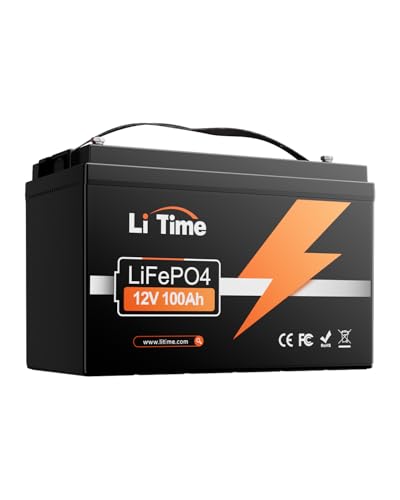
This LiFePO4 battery provides a compact, high-energy option with a built-in 100A BMS for safety. It offers up to 15000 deep cycles, making it a long-term solution for RVs and boats. Best for: van life, campers, and boats that demand robust cycle life and safer chemistry.
Why selected: high energy density and extensive cycle life. Caution: lithium systems require proper BMS integration and charging profiles to realize full longevity.
Buying Guide
What capacity do you really need?
Higher amp-hour (Ah) ratings deliver longer runtimes between charges. For daily off-grid living, aim for 100–200Ah for base needs; for solar storage or larger RVs, 150–200Ah or more may be preferable. Lithium options offer higher usable capacity per weight but can require different charging setups.
What chemistries are worth considering?
Maintenance-free AGM batteries are common, affordable, and dependable for many setups. Lithium iron phosphate (LiFePO4) provides longer cycle life and lighter weight but requires appropriate BMS and charging equipment. Consider the total system cost, including replacement time horizon and charging hardware.
Maintenance and safety considerations
AGM and LiFePO4 options both reduce maintenance needs. Ensure proper ventilation for lead-acid types and observe temperature guidelines to maximize lifespan. For lithium systems, verify BMS protection and follow recommended charging voltages to avoid degradation.
Fit for purpose: RV, marine, or home solar?
Choose batteries designed for your primary use. For RVs and trolling motors, look for higher discharge capabilities and vibration resistance. For home solar storage, prioritize larger Ah capacity and long cycle life. For marine applications, dual-purpose options can be convenient but verify whether you need starting power in addition to deep cycling.
Size, weight, and installation
Compact LiFePO4 models save space and weight, which helps in tight installations. AGM batteries tend to be heavier but robust and easier to source. Always check dimensions to ensure a proper fit in your enclosure or rack and confirm terminal orientation aligns with your wiring plan.
Charging considerations
Verify charging requirements match your solar controller or alternator setup. Some batteries tolerate fast charging, while others benefit from steady, controlled charging. Ensure compatibility with your existing 12V system and include a charger that respects your battery type’s voltage and current limits.
Lifecycle and warranties
Lithium chemistries generally offer longer cycle life than AGM lead-acid products. Consider expected daily usage to estimate total lifecycle cost. Warranties can vary; check coverage for capacity retention and long-term performance.
Frequently Asked Questions
- What does Ah mean in a deep cycle battery? Ah, or amp-hours, measures the usable capacity of a battery. Higher Ah means longer runtime at a given discharge rate.
- Are lithium deep cycle batteries better than AGM? Lithium (LiFePO4) typically lasts longer and weighs less, but costs more upfront and requires compatible BMS and charging hardware.
- Can these batteries power my trolling motor? Yes, many of the listed options provide sufficient DC power for trolling motors, with higher-discharge models chosen for stronger performance.
- Do AGM batteries require maintenance? AGM batteries are maintenance-free and sealed, reducing leakage risk, but still need proper charging and ventilation in enclosed spaces.
- How do I know which battery suits my RV? Consider daily power needs, solar charging capability, weight restrictions, and whether you need startup power in addition to deep cycling.
- What about self-discharge rates? Lower self-discharge rates extend storage time without frequent recharging. LiFePO4 units often show very low self-discharge compared to many lead-acid options.