Best Water Wheel Electric Generator Options for Home Power and Education
Discover practical water-powered generators that convert flowing water into usable electricity. From compact micro hydro kits to educational hydropower experiments, these products help you explore renewable energy at home or in the classroom. Below are five well-matched picks, highlighting how each one leverages water flow to generate power and what makes them suitable for different projects and budgets.
| Product | Brand | Key Use | Approximate Output |
|---|---|---|---|
| beduan | Micro hydro, charging small devices | 12V DC, up to 220 mA | |
| Hydroelectric Micro Hydro Generator | wonofa | Portable micro hydro power | 12V, 10W |
| Thames & Kosmos Hydropower Kit | Thames & Kosmos | STEM hydropower experiments | Multiple outputs via experiments |
| Hydro Turbine Generator 50W/100W | Generic | Outdoor waterwheel power | 50-100W class |
| MATYASIGO Pelton Impeller | MATYASIGO | DIY hydroelectric generation | Small-scale impeller |
Beduan Micro Water Turbine Generator
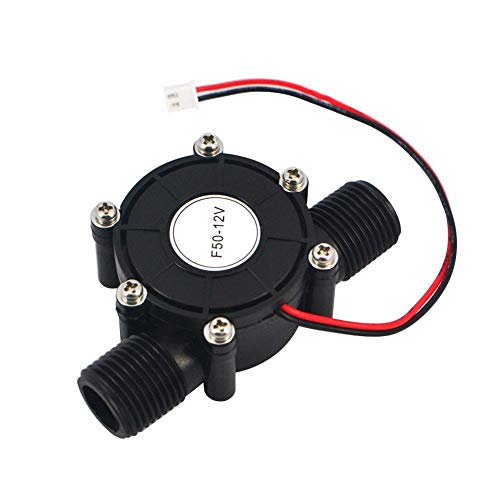
The Beduan micro water turbine generator is designed for compact hydro projects and basic power generation. It operates at 12V DC with a maximum output around 220 mA, suitable for charging small devices or powering modest LED lighting. The unit emphasizes durability with a robust build and a life expectancy of about 3000 hours under typical operation. Its low-noise operation and straightforward installation make it a practical option for experimental setups and off-grid demonstrations.
Key features include a 12V DC output, a modest pressure tolerance, and a focus on reliability for small-scale power delivery. If your goal is to demonstrate hydroelectric concepts or keep a small battery charged in a rural or remote setting, this unit offers a straightforward pathway to energy generation from flowing water.
Hydroelectric Micro Hydro Generator

The Wonofa micro hydro generator emphasizes portable, low-speed energy conversion from water flow. It is designed to convert potential energy into electrical energy, offering a compact 12V output with practical life expectancy exceeding 3000 hours. The unit benefits from UV and water resistance for durability in outdoor or challenging environments, making it suitable for demonstrations, off-grid charging, and hobbyist hydro projects where long life and ruggedness matter.
Its structure focuses on solid construction, corrosion resistance, and a straightforward pathway from water flow to electricity. This makes it a strong contender for classroom demonstrations as well as off-grid charging tasks where small amounts of power are needed from flowing water.
Thames & Kosmos Hydropower Kit

The Thames & Kosmos Hydropower Kit presents a comprehensive educational experience with 12 experiments and building projects. Learners harness mechanical energy from water to perform physical work and generate electricity to light an LED. This kit is designed to teach energy conversion concepts, system integration, and the practical challenges of hydroelectric power generation in a hands-on, engaging format. It’s ideal for classrooms or home labs focusing on renewable energy education.
Educational value is high, with clear activities that illustrate efficiency, torque, and the relationship between water flow and electrical output. It provides a structured approach to exploring hydropower fundamentals through repeatable experiments and measurable outcomes.
MATYASIGO Pelton Impeller

The MATYASIGO Pelton impeller is a round impeller designed for hydroelectric generation in DIY projects. Made from durable PP material with waterproof and rust-resistant properties, it promises low noise and stable operation. This component is suitable for small-scale hydroelectric assemblies where users build or customize their own turbine and generator configuration. It supports educational or hobbyist projects that require a reliable impeller in a water-driven energy system.
Buying Guide: Choosing a Water-Driven Generator
- Application goals: Define whether the project is educational, off-grid charging, or real-world power generation. Educational kits emphasize learning outcomes, while micro hydro devices prioritize compact power and durability.
- Flow rate and head: Assess available water flow and height difference. Higher flow or head generally increases power output, but many units are designed for low-flow environments and still offer useful demonstrations or charging capabilities.
- Output type and compatibility: Most small hydro units produce DC power suitable for battery charging or LED lighting. Check voltage, current, and whether regulators or batteries are needed to store or use energy safely.
- Durability and environment: Outdoor installations should favor UV-resistant housings, corrosion-resistant coatings, and materials rated for moisture exposure. For classrooms, sturdiness and ease of maintenance matter more than rugged outdoor specs.
- Ease of installation: Look for plug-and-play assemblies with minimal plumbing or mounting requirements. Educational kits should include clear instructions and safety guidance for students and hobbyists.
- Noise and vibration: Some systems generate audible noise at certain water flow rates. Consider placement, mounting options, and potential vibration dampening if used in shared spaces.
- Upgrade paths: If you anticipate growth, choose models that allow incremental expansion, additional turbines, or integration with larger energy systems.
- Maintenance and lifespan: A long service life reduces replacement frequency. Check material durability, lubrication needs, and the availability of replacement parts.
- Cost vs. value: Compare initial cost against expected output, educational value, and potential long-term savings. For classrooms, align with curriculum goals and demonstrable learning outcomes.
Overall, the best choice depends on your goals: compact kits for learning and small-scale charging, rugged outdoor generators for field installations, or modular systems that scale as your needs evolve. Consider the water source, the desired electrical output, and the setting to select a generator that offers reliable performance and clear educational or practical benefits.