Best Thin Film Solar Panels for Flexible Power on the Go
Thin film solar panels offer lightweight, bendable, and versatile energy solutions for RVs, boats, outdoor gear, and DIY projects. This guide highlights five notable options that emphasize flexibility, durability, and performance in partial shade or unconventional surfaces. Each entry includes key features, practical use cases, and considerations to help you compare options without committing to rigid, heavy panels.
| Product | Brand | Notes |
|---|---|---|
| Flexible Solar Panel Small DIY Panel | JIANG | Unbreakable, waterproof, good for DIY projects |
| EVTSCAN Amorphous Flexible Panel | EVTSCAN | Versatile for clothing and gadgets |
| Yuma 100W CIGS Flexible Panel | BougeRV | Anti-shading, long lifespan |
| DOKIO 100W Flexible Panel | DOKIO | Ultra-light, bendable up to 30° |
| Yuma 200W CIGS Flexible Panel | BougeRV | High power, still flexible and light |
Flexible Solar Panel Small DIY Panel—JIANG

The JIANG flexible solar panel combines a polymeric, ultra-thin construction with an ETFE laminate, delivering a durable, waterproof, and fire-resistant surface. Its unbreakable design reduces microcrack damage from foot traffic and vibration, making it suitable for DIY enthusiasts seeking an alternative power source on irregular surfaces. Partial shading is less detrimental compared with many rigid panels, and the panel can be bent or sewn onto various shapes. This makes it a practical option for hobby projects, educational setups, and lightweight off-grid experiments where portability matters.
Key considerations for this option include its small power rating and flexibility. It excels in situations where you need a compact, resilient energy source that can be integrated into crafts or experimental rigs. When used in higher-demand settings, consider supplementing with larger panels or storage solutions to meet energy needs. Its water and fire resistance add peace of mind for outdoor or temporary installations.
EVTSCAN 2V/0.3W Amorphous Panel—Flexible Tiny Solar Cell
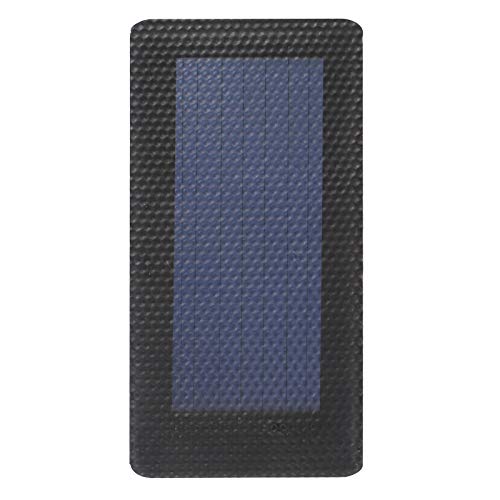
The EVTSCAN amorphous silicon panel emphasizes versatility and wearability. It adheres well to flat or cylindrical surfaces, including clothing and hats, enabling solar-powered wearables and portable devices. Its waterproof design supports reliability in varied weather conditions, making it a practical choice for outdoor workers, campers, and hobbyists who want to integrate solar charging into daily gear. The panel supports powering multiple low-output devices such as small DC batteries, lights, or toys, expanding the scope of solar-powered projects beyond fixed installations.
Considerations for EVTSCAN include its low wattage, which is best for charging small devices or maintaining charged batteries rather than powering high-demand electronics. Its soft, flexible nature makes it easy to attach to fabric or curved surfaces, but care should be taken to avoid sharp folding that could degrade performance over time. For hobbyists and educational projects, this panel offers an accessible entry point into flexible solar technology.
BougeRV Yuma 100W CIGS Flexible Panel

BougeRV’s 100W CIGS flexible panel is designed for stability and anti-shading performance. The CIGS technology improves energy capture in partial shade and low-light conditions, delivering steadier output compared with some rigid panels. The device is described as 360° ultra-flexible, allowing installation on curved surfaces such as RVs, boats, or irregular rooflines. BougeRV emphasizes durability and a long expected lifespan, with a focus on lightweight construction and resilience in harsh weather, making it suitable for outdoor adventures or long-term off-grid use.
Key considerations include the panel’s weight and thickness, which contribute to ease of transport and mounting on non-traditional surfaces. If you expect frequent partial shading, this option may provide more consistent performance than some rigid choices. Durability and ease of installation via flexible mounting options are practical benefits for mobile living or travel scenarios.
DOKIO 100W Flexible Panel—Semi-Flexible for Off-Grid Power

The DOKIO 100W panel is engineered for travel and portable off-grid power, weighing only about 2.3 pounds with a thin profile. It is designed to bend up to 30 degrees to accommodate curved surfaces on vehicles, boats, or tents. This panel is well-suited for campers or road-trippers who need a compact charging source for 12V batteries and small devices. Quick setup and easy mounting are highlighted benefits for users who want to deploy energy quickly in remote locations.
Important usage notes include ensuring proper ventilation to prevent heat buildup and avoiding mounting on combustible materials. The semi-flexible build means it can handle some bending, but excessive bending or stepping on the surface should be avoided to maintain performance. For those prioritizing lightness and portability, the DOKIO offers a practical balance between flexibility and output.
BougeRV Yuma 200W CIGS Flexible Panel

The BougeRV 200W CIGS panel ramps up power while preserving flexibility. Its advanced CIGS technology supports stable output even in partial shade, making it suitable for larger off-grid setups on campers, boats, or roof-top installations where weight needs to be minimized. The panel is described as being highly flexible and light, which helps with installation on curved surfaces and reduces mounting complexity. It’s positioned as a long-term, durable solution with strong performance characteristics in challenging lighting conditions.
Considerations for the 200W BougeRV include ensuring adequate airflow around the panel to prevent heat buildup and planning for sufficient storage if replacing a larger rigid system. While offering substantial wattage for a flexible option, the trade-off compare to rigid panels is typically higher cost per watt. For users needing higher energy capacity on irregular surfaces, this option provides a compelling blend of flexibility and power.
amorphous-Solar-Panel CIGS Portable Ultra-Thin Charger

This CIGS-based ultra-thin charger emphasizes portability and durability. Its amorphous solar cells are designed to be flexible, stable, and durable, with good sensitivity to light and resistance to cracking or damage under everyday use. The panel is described as remaining functional under partial shade, making it a feasible option for lightweight, on-the-go charging in various lighting conditions. With water resistance and a focus on long-term resilience, it’s suitable for travelers and hobbyists needing a compact solar solution that can withstand rough handling and weather exposure.
When evaluating this model, consider its relatively small size and output, which is best suited for maintaining small devices or charging auxiliary energy storage rather than powering larger equipment. The emphasis on durability and shade resilience can be advantageous in outdoor environments where direct sun is not always available. For those prioritizing ultra-portability, this panel provides a practical, low-profile energy option.
Buying Guide: Key Purchase Considerations For Thin Film Solar Panels
- Flexibility vs. Power: If you need to conform to curved surfaces, prioritize high flexibility and lightweight design. For higher daily energy needs, select panels with higher wattage ratings and consider multiple units or a larger system.
- Technology Type: CIGS panels offer better shade tolerance and durability on irregular surfaces, while amorphous panels excel in wearability and ultra-thin profiles. Assess which technology aligns with your use case and environment.
- Durability and Weather Resistance: Look for waterproofing, fire resistance, and robust laminates (ETFE) to endure outdoor exposure. Consider thickness and mounting methods to reduce the risk of damage from vibration or impact.
- Installation and Mounting: Consider how you will attach the panel to your surface—adhesive, tape, screws, or sewing into fabric. Ensure appropriate ventilation to prevent overheating in enclosed spaces.
- Shade and Light Conditions: For partially shaded areas, panels with anti-shading capabilities offer more consistent output. Evaluate typical sun exposure scenarios to choose a design with better low-light performance.
- Portability and Weight: Lighter, thinner panels are easier to transport and deploy for camping, boating, or DIY experiments, but verify that their output meets your device charging needs.
- Longevity and Maintenance: Long-term reliability matters for off-grid setups. Compare expected lifespans, warranties, and maintenance requirements to estimate total cost of ownership.
- System Integration: Plan for compatible charge controllers, batteries, and inverters. Ensure your panel’s voltage and current meet the charging requirements of your storage system or devices.