Best Thermostats for Oil Burners: Top Picks for Safe, Efficient Heating
Choosing the right thermostat for an oil burner is essential for safety, efficiency, and comfort. This guide highlights five reliable options that pair well with oil-fired heating systems, from classic oil burner controls to programmable thermostats designed for steady heat. Each entry includes key features to help you compare performance, durability, and ease of installation. Below is a quick summary table of the chosen products to kick things off.
| Product | Brand | Key Features |
|---|---|---|
| Honeywell R8184G4009 International Oil Burner Control | Honeywell | Intermittent control, three wiring options, USA-made |
| Beckett 7505P1515U Genisys Primary Advance Oil Burner Primary Control | Beckett | Thermostat and boiler control compatibility, programmable delays |
| Honeywell 120 volt Oil Burner Control | Honeywell | Durable finish, normally open contact, automatic operation |
| BAR FTP Low Oil Temp Thermostat Kit | BAR | Oil temp control for engine oil systems, compatible with N54/N55 |
| Protech 425038 R8184G4009 Oil Burner Control | ProTech | Genuine Rheem OEM part, oil burner control |
Honeywell R8184G4009 International Oil Burner Control

The Honeywell R8184G4009 is designed for oil burner protection with intermittent control, offering three wiring terminal options to simplify installation. This model is manufactured in the United States, reflecting established domestic manufacturing standards. Its compatibility with oil-fired heating setups helps ensure reliable operation and consistent burner activity, making it a common choice for maintenance and upgrades within residential and light commercial systems.
Beckett 7505P1515U Genisys Primary Advance Oil Burner Primary Control
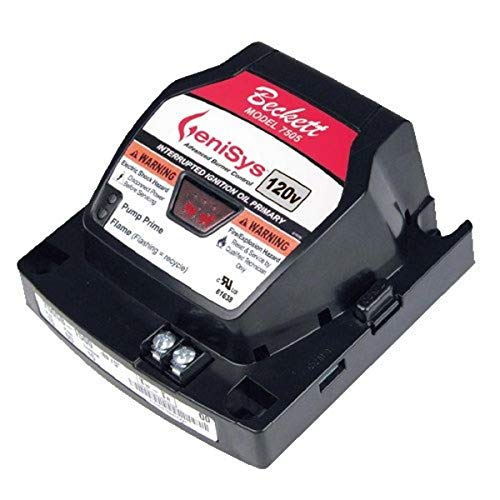
The Beckett 7505P1515U Genisys primary control supports thermostat and boiler control integration with programmable valve on delay and motor off delay. Indicator lights enable system monitoring, helping technicians diagnose startup and cycling issues quickly. This control is commonly used in oil-fired boilers and furnaces where precise timing and reliable startup behavior are essential for safe operation and efficient combustion.
Honeywell 120 Volt Oil Burner Control

This Honeywell 120-volt oil burner control features a durable silver finish for corrosion resistance and an automatic operation mode that supports reliable, hands-off performance. The normally open contact configuration is suitable for safety and control applications within oil burner systems, helping ensure proper shutoff and safe startup sequences in typical heating installations.
BAR FTP Low Oil Temp Thermostat Kit
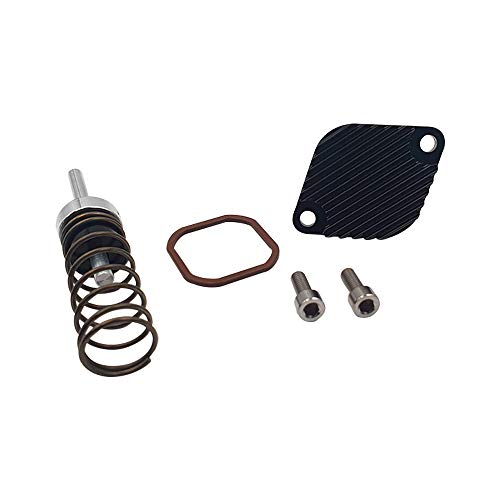
The BAR FTP kit is designed to help manage oil temperature in engine and fuel contexts, offering compatibility with N54 and N55 engines. It provides control over oil temperature ranges from 194°F to 230°F and is presented as a lightweight, aluminum solution. This option suits specialized setups where precise oil temperature control is critical for performance and safety, particularly in automotive or industrial applications rather than standard home heating.
Protech 425038 R8184G4009 Oil Burner Control
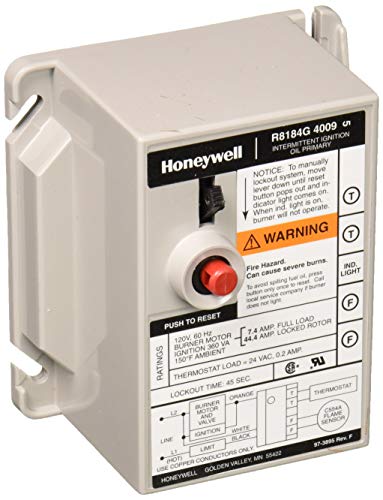
The Protech 425038 R8184G4009 is a genuine Rheem OEM part, ensuring compatibility with many oil burner installations. This control supports standard oil burner operations with a focus on reliability and official compatibility, making it a preferred choice for system replacements or refurbishments where OEM integrity is critical.
Buying Guide: Key Purchase Considerations
- System compatibility: Match the control type (intermittent, primary, or OEM) to your existing oil burner setup and furnace model to avoid compatibility issues.
- Wiring and installation: Look for units with multiple wiring options or simple installation instructions to minimize complexity and time required for setup.
- Reliability and age: Older equipment may benefit from OEM parts or models with durable housings and corrosion resistance to extend service life.
- Safety features: Prioritize controls with clear indicator lights, fail-safes, and proper shutoff behavior to improve system safety during startup and cycling.
- Programmability vs. simplicity: Programmable controls offer energy-saving benefits, while non-programmable units provide straightforward operation for those who prefer minimal configuration.
- Maintenance and parts availability: Choose brands with broad support and readily available replacement parts to simplify future service needs.
- Intended environment: For harsh or dusty environments, select controls with protective finishes and robust enclosures to resist wear and tear.
In summary, selecting a thermostat or control for an oil burner involves balancing compatibility, reliability, and ease of installation. The options highlighted here cover traditional oil burner controls, programmable paths, and specialized temperature management where relevant. For standard home heating, prioritize dependable OEM or widely supported brands; for automotive or industrial settings, focus on temperature-tuned solutions that meet your operational requirements.