Best Water-Powered Sump Pump Backups for Basements
If you’re seeking reliable, electric-free protection for basement flooding, a water-powered sump pump backup is a strong choice. These systems use municipal water pressure to remove water when your primary pump fails or during a power outage. This guide highlights five solid options suited to different homes and pit sizes, with quick notes on who each product is best for and notable limitations.
Buyer’s quick picks table
| Product | Best For | Key Benefit | Limitations |
|---|---|---|---|
| Zoeller 540 FLEX | Homes with variable pressure | Horizontal/Vertical install, no battery | Requires 40-80 psi water pressure |
| SumpJet Water Powered Backup (Liberty) | Standard pits, automatic failover | High-output flow, fully automatic | Pressure range dependent |
| Basepump RB750-EZ | Easy setup, plug-and-go | No electricity or batteries | Installation needs supply lines |
| Basepump RB750 | Simple, reliable backups | Straightforward design | Includes installation parts |
| Basement Watchdog BW Special Connect | Homes needing battery + water backup | WiFi-ready, battery sensor | Battery management required |
SumpJet® Water Powered Backup Emergency Sump Pump (Liberty Pumps)

The SumpJet model offers automatic operation with inlet pressure acceptance from 20 psi up to 100 psi and high-output flow rates. Best for homeowners who want a set-and-forget backup that activates during a primary pump failure or power loss. It is especially suitable for basements where a steady, automatic response is preferred. A caution: performance depends on available municipal water pressure, so upstream supply consistency matters.
Zoeller 540 FLEX Water-Powered Backup Sump Pump System
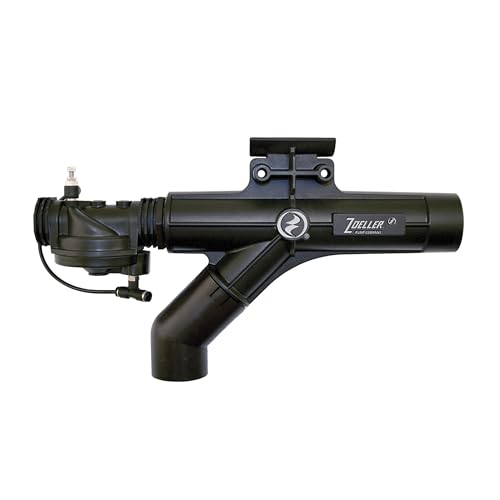
This system is designed for power outages or primary pump failures, relying entirely on municipal water pressure. It’s a strong choice for homes where electricity is unavailable or unreliable. The design supports high efficiency, removing up to 2 gallons for every 1 gallon of supply water used, and can be installed horizontally or vertically to fit compact pits. It’s best for homeowners who want flexibility in placement and a robust backup during outages. Limitation: requires 40–80 psi water pressure for optimal operation.
Basepump RB750-EZ Premium Water Powered Backup Sump Pump

The RB750-EZ emphasizes automatic operation through your home’s water pressure, with no electricity, batteries, or chargers required. It includes detailed installation instructions and plumbing parts to simplify setup and ongoing maintenance. Best for homeowners who want a reliable, hands-off backup with straightforward assembly. Limitation: setup relies on consistent water pressure and proper plumbing connections.
Basepump RB750 Water Powered Backup Sump Pump
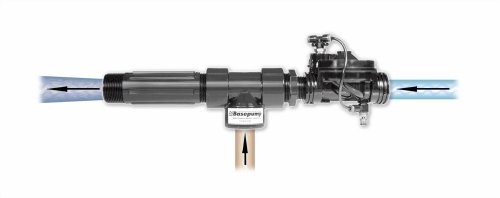
This RB750 model provides dependable water-powered backup with high performance and a no-battery requirement. It’s ideal for users who want a compact, automatic solution that works during outages and doesn’t rely on electricity. It includes detailed installation instructions and plumbing parts. Limitation: performance can be influenced by municipal water pressure and the integrity of plumbing connections.
GP Enterprises RP00S0026 Control Valve Replacement

This control valve replacement is compatible with K2 Pumps model ASP00001K. It’s a practical maintenance item for ensuring the water-powered system maintains proper valve operation. Best for homeowners who already own a compatible pump and need a straightforward replacement part. Limitation: only applicable to certain pump models.
Basepump HB1000-PRO Premium High Volume Water Powered Backup Sump Pump

The HB1000-PRO is designed for high-volume backup needs, continuing automatic operation with municipal water pressure and no electricity. It’s best for larger basements or spaces requiring greater flow to handle heavier water loads. Limitation: higher capacity systems can require more precise installation to prevent slow response if supply pressure fluctuates.
Buying Guide: Key Purchase Considerations
- System type and backup behavior: Most options are fully automatic, relying on city water pressure. Consider whether you want a system that activates only on power failure or also during primary pump issues.
- Water pressure requirements: Many models specify a pressure range (e.g., 40–80 psi). Verify your home’s pressure matches or exceeds the minimum to ensure reliable operation.
- Installation flexibility: Some units support horizontal or vertical installation or overhead mounting. Choose based on your sump pit size and available space.
- Demand and pit size: High-volume backups suit larger basins; smaller pits may perform adequately with standard-flow designs.
- Maintenance and parts availability: Look for kits that include installation parts and readily available replacement components like valves or seals.
- Combination systems: If you want extra resilience, consider a model that pairs water-powered backup with battery backup or WiFi monitoring for alerts.
FAQ
- What is a water-powered sump pump backup? It uses municipal water pressure to remove water when the primary pump fails or during a power outage, without relying on electricity or batteries.
- Do these backups require electricity at all? Most are designed to run without electricity, though some setups may integrate with battery backups for added protection.
- Will a water-powered backup work in low-pressure areas? Performance depends on adequate water pressure. Check the minimum psi requirements for your chosen model.
- Can I install these myself? Many models include installation parts and instructions, but consider professional help if your plumbing setup is complex or if you need invasive pit modifications.
- How do I choose between models? Compare flow rates, installation orientation, psi requirements, and whether you want extra features like alarms or integration with other backup systems.
- Are these backups suitable for all basements? They suit most residential basements with standard sump pits; verify pit dimensions and inlet/outlet sizes match the pump’s specifications.