Best Solar Panels for RV: Efficient Off-Grid Power on the Road
RVers increasingly rely on reliable, portable solar solutions to power essentials while staying off the grid. The right solar panel kit can expand days of freedom, reduce generator use, and keep batteries topped up in varying weather. This guide highlights five top-performing RV-friendly solar panels, drawing on high-efficiency cells, durable construction, and practical features for camping, travel trailers, or motorhomes. Each option includes core specs, a quick product snapshot, and practical considerations to help you compare performance, portability, and installation needs at a glance.
Buying snapshot table (selected products):
| Product | Type | Approx. Power | Key Benefit | Forum/Compatibility Note |
|---|---|---|---|---|
| ECO-WORTHY 200W Kit | Rigid Panel Kit | 200W | High efficiency monocrystalline cells; durable frame | Great for RVs and caravans, PWM controller included |
| Renogy 200W Portable | Foldable Panel | 200W | Industry-leading 25% efficiency; ultra-portable | Ideal for tight spaces; multiple ports for devices |
| JJN Bifacial 400W | Rigid 400W Panel | 400W | Bifacial output; robust weather resistance | Backside generation adds reserve power in sun angles |
| ECO-WORTHY 25W Battery Charger Kit | Rigid Panel Kit | 25W | Maintenance charging; versatile 12V battery support | Strong durability in rough conditions |
| Renogy ShadowFlux 200W | Rigid Panel | 200W | Anti-shading with 16BB N-Type cells | Smaller, more efficient for shaded spots |
ECO-WORTHY 200W Solar Panel Kit

The ECO-WORTHY 200W kit integrates a high-efficiency monocrystalline solar panel with a 30A PWM charge controller, tailored for RVs, campers, and other off-grid applications. Under ideal conditions, daily output can reach around 800Wh in four hours of full sun, making it a practical choice for maintaining batteries and powering basic appliances on weekend trips. The panel uses a corrosion-resistant aluminum frame and is designed to withstand significant wind and snow loads, with IP65-rated protection on the junction box for weather resilience. A compact 35.2 by 23.1 by 0.37-inch form factor keeps installation manageable on most RV rooftops or decks. This kit is suitable for users seeking a reliable, all-in-one solution with a proven track record in rugged environments.
Key considerations: ensure the PWM controller matches your battery bank (12V or 24V), verify roof clearance and mounting flexibility, and plan for potential expansion by paralleling additional panels. The included hardware and robust construction support long-term outdoor use, even in challenging climates.
Renogy 200W Portable Solar Panel

Renogy’s 200W portable foldable solar panel emphasizes portability and efficiency. With 25% cell efficiency enabled by advanced 16BB N-Type technology, this panel delivers more power per square inch, which is particularly advantageous in crowded RV storage and when space is limited. Weighing about 13.89 pounds, it folds to a compact size for easy transport and storage. The design supports charging multiple devices simultaneously—one USB-C PD port and two USB-A ports—making it suitable for charging phones, tablets, laptops, or powering small camping devices. It also includes MC4 output for compatibility with portable power stations or 12V battery systems. This panel is well-suited for RV travelers who prioritize lightness and rapid setup, especially in variable sun conditions.
Considerations: folding panels require a flat, stable surface for optimal efficiency; assess the USB-C port power needs (PD up to 45W) and ensure compatibility with your charging hub or power station. Durability and weatherproofing ensure reliable outdoor use during trips or emergencies.
JJN Bifacial 400W Solar Panel

The JJN bifacial 400W solar panel uses a 16BB N-type cell design to push efficiency beyond standard panels, with a backsheet that captures sunlight reflected from the ground or surrounding surfaces. The bifacial feature helps maximize energy production in sunny RV setups, while the 2400Pa wind resistance and 5400Pa snow load ratings indicate strong outdoor durability. IP67 connectors and an IP65 junction box further boost weather resilience, making this panel a robust choice for off-grid installations where shading or variable sun angles are common. The 400W output can support more demanding power needs and larger battery banks, enabling better overall RV energy autonomy.
Important notes: bifacial performance depends on proper mounting to allow back-sides exposure and may require reflective surface placement. Check roof space and mounting hardware compatibility with your RV model.
ECO-WORTHY 25W Battery Charger Kit

This compact 25W kit is designed to keep 12V batteries charged and maintained, including LiFePO4, AGM, and other chemistries. The 10A PWM charge controller is paired with a USB 5V/2A port for small device charging, plus status indicators and protection features (overcharge, over-discharge, short circuit, etc.). This kit is particularly useful for trailers, boats, and RV bays where periodic charging is needed to preserve battery health between trips. It supports expansion by paralleling additional 12V panels if extra capacity is required, making it a flexible solution for incremental upgrades.
Renogy 400W Portable Solar Panel Blanket
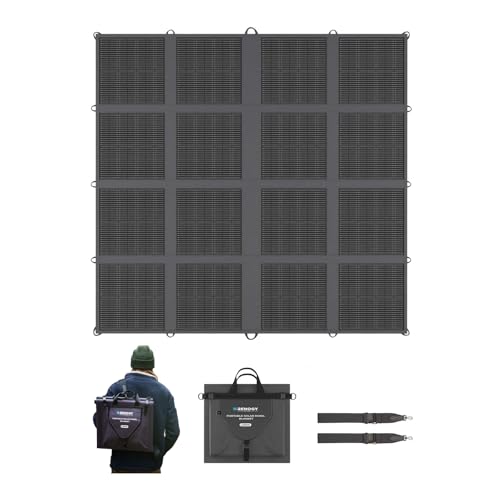
The Renogy 400W portable solar blanket is a high-efficiency, foldable solution designed for RVs and outdoor use. With a 16-fold, ultra-lightweight design—around 16.09 pounds and 75% smaller than typical 400W panels—it’s engineered for easy storage in tight spaces. Its 25% efficiency is driven by 16BB N-Type cells, delivering substantial power in compact form. This panel supports versatile installation: lay across a windshield, deploy on sunny ground, or hang between racks. It’s particularly advantageous for users who need a compact, flexible setup that still delivers strong energy output for charging power stations or batteries during camping, road trips, or emergencies.
Renogy 200W 12V Monocrystalline RV Solar Kit
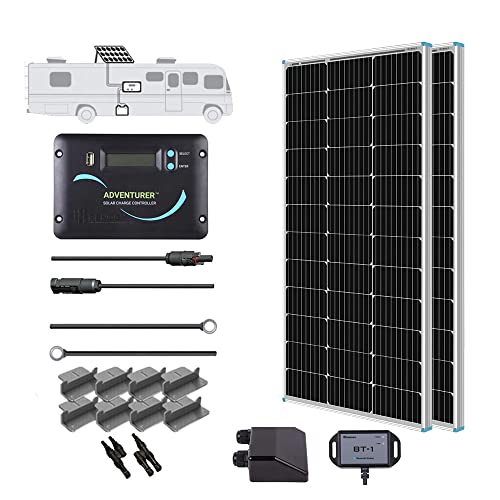
This Renogy Adventurer kit pairs a 200W monocrystalline solar panel with a 30A LCD PWM controller, offering a straightforward, robust solution for RVs, boats, trailers, and off-grid setups. The kit emphasizes a balance between performance and footprint, with a corrosion-resistant aluminum frame capable of withstanding high winds and substantial snow loads. The included 30A PWM controller provides essential protection features, including overcharge, overvoltage, short circuit, and reverse polarity protection, enabling safer, long-term operation. The combination is well-suited for users seeking a complete, install-ready system for medium-sized battery banks and modest power loads on the road.
Buying Guide: Key Purchase Considerations
- System voltage and battery compatibility: Match panel voltage (12V vs 24V), controller type (PWM vs MPPT), and your battery chemistry for optimal charging efficiency and battery longevity.
- Panel type and efficiency: Monocrystalline panels deliver higher efficiency and better performance in limited space; bifacial panels can add energy in sunny, reflective conditions but require proper mounting for backside capture.
- Portability vs. rigidity: Foldable/portable panels excel for small RVs or tight storage; rigid panels often maximize durability and are easier to mount on flat roofs.
- Durability and weather resistance: Seek frames with corrosion resistance, IP ratings on junction boxes, and wind/snow load ratings appropriate for your travel regions.
- Expansion potential: If you anticipate higher energy needs, consider systems that allow paralleling additional panels or upgrading controllers without total rework.
- Installation footprint: Measure your RV roof or storage area to ensure clearance for mounting hardware and tilt angles that optimize sun exposure.
- Maintenance and warranty: Look for panels with long lifespans and strong manufacturer warranties; ongoing performance confidence matters on long trips.
- Weight considerations: Heavier rigid panels require sturdier mounting; lighter foldable blankets offer easier handling but may need careful setup.
- Port availability and charging options: USB ports, PD capabilities, and compatibility with power stations influence how you distribute solar power to devices and appliances.
- Expansion planning: If you foresee battery upgrades or adding more devices, choose panels and controllers that support future growth without rework.
The best choice depends on your RV size, typical travel style, climate, and how much daily energy you need. For tight spaces or frequent relocations, portable foldable panels offer flexible setup. For steady, roof-based energy, larger rigid panels with a capable controller provide lasting power with fewer moves. In diverse weather or shaded sites, bifacial and anti-shading technologies can maximize yield, though correct mounting is essential. Compare efficiency, weight, installation, and expansion potential to select a system that aligns with your road-ready power goals.