Best Auto Start Generators for Reliable Backup Power
When outages strike, a generator with automatic start can keep essentials running without manual intervention. The following selections emphasize electric or remote start features, dual-fuel versatility, and overall reliability to help you choose the best auto-start option for your needs. Below you’ll find concise overviews, a quick comparison, and practical buying guidance to help you pick confidently.
| Product | Fuel Type | Starting Method | Power Range |
|---|---|---|---|
| WEN DF451i | Gasoline / Propane | Electric start with Auto Fuel Selection | 4500 surge / 3150-3500 running |
| DuroMax XP13000EH | Gasoline / Propane | Electric start | 13,000 surge / 8,000-9,000 running |
| Westinghouse 5000 Peak | Gasoline | Remote electric start | 5,000 peak / ~3,900 running |
| Westinghouse 4650 Peak Dual Fuel | Gasoline / Propane | Electric start with remote option | 3,600-4,650 peak depending on fuel |
| Generac GP8000E | Gasoline | Electric start | 8,000 running / 11,000 peak |
These selections were chosen for strong starting reliability, accessible electric or remote start, and compatibility with home backup setups. They include dual-fuel models for fuel flexibility and larger-capacity units designed to power whole-home loads during outages. The following sections describe each option, highlighting key strengths and practical considerations for American households facing power interruptions.
WEN DF451i Super Quiet Dual Fuel Generator
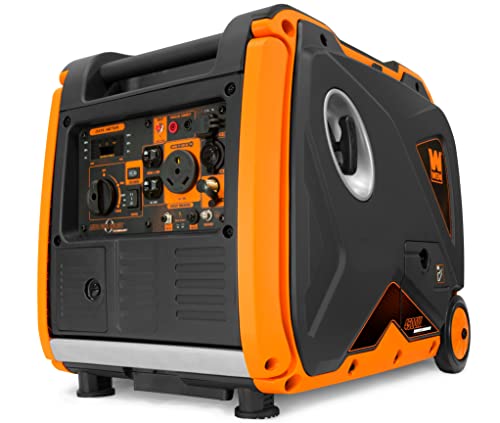
The WEN DF451i combines a dual-fuel design with Auto Fuel Selection Technology, automatically switching between propane and gasoline to extend run times. It delivers 4500 surge watts and 3150-3500 rated watts depending on fuel. The 212cc engine operates with EPA III and CARB compliance and emphasizes quiet operation at about 58 dBA at quarter load, 22 feet away. This model is RV-ready, offering portability alongside inverter-style efficiency. Ideal for campers, small households, or portable backup scenarios where quiet operation matters.
DuroMax XP13000EH 13,000-Watt Dual Fuel

The XP13000EH is a high-capacity dual-fuel generator designed for whole-home backup. It provides up to 13,000 watts of surge power and sufficiently robust running watts, powered by a durable engine. Dual-fuel capability offers flexibility during fuel shortages or price spikes. It features electric start for one-person operation and is positioned for emergency readiness and transfer switch compatibility, ensuring the home stays powered during outages. Its strength lies in power reserve and reliability for larger homes or demanding loads.
Westinghouse 5000 Peak Portable Inverter

Westinghouse’s 5000 Peak inverter model features remote electric start with an auto choke, plus wheel-and-handle portability. With 5000 peak watts and roughly 3900 running watts at under 3% THD, it supports essential circuits for travel trailers and home use. The unit includes multiple outlets (5–20R, TT-30R, and USB) and a compact digital display that tracks fuel, power output, and run time. Its balance of portability and power makes it suitable for mid-sized loads and outdoor use where quick starts are advantageous.
Westinghouse 4650 Peak Dual Fuel Portable Generator

This Westinghouse model offers 3600-rated watts and up to 4650 peak watts on gasoline, with propane delivering similar peak output but slightly different running watts. The 4-gallon fuel tank keeps you running longer between fills, and the electric push-button start plus remote start adds convenience. With RV-ready outlets and multiple configurations, it supports recreational uses and home backup needs, while a CO sensor enhances safety in enclosed spaces.
DuroMax XP13000HX 13,000-Watt Dual Fuel

The XP13000HX mirrors the XP13000EH with a dual-fuel setup and 13,000-watt peak capacity, designed to back up an entire home during outages. It emphasizes fuel flexibility and long-term durability, including a robust engine and copper windings for longevity. The unit aims to balance high power output with efficient operation, suitable for larger homes or extended outages where high wattage is required.
Generac GP8000E 10k/8k Portable Generator

Generac’s GP8000E offers 8,000 running watts and 11,000 peak watts with PowerRush technology for quicker power delivery under heavy loads. Electric start simplifies operation, and a large fuel tank extends runtime for outages. The unit targets the needs of mid-to-large homes, RV setups, and emergency scenarios where immediate startup and dependable power are essential. It balances performance with user-friendly controls and a durable build.
Buying Guide
Key considerations when selecting an auto-start generator include starting mechanism, fuel options, and intended load. Electric-start models with remote start provide hands-free operation, especially valuable during adverse weather or when equipment is installed away from living spaces. Dual-fuel configurations offer flexibility during fuel volatility, allowing gasoline or propane use without sacrificing reliability. The pickup power (surge vs. running watts) determines what appliances can operate simultaneously, so map your essential circuits to the unit’s output range.
Fuel efficiency and runtime are important for extended outages. Units with larger fuel tanks or efficient engines deliver longer autonomy between refuels. Noise levels matter for residential settings; inverter-style models and well-insulated engines operate more quietly, improving livability during use. Portability versus stationary setup should guide the choice—remote start and wheel kits are convenient for portable units, while higher-watt, transfer-switch-ready models suit permanent backup installations.
Safety features such as CO emission sensors, automatic low-oil shutdown, and proper ventilation are critical. If you have a transfer switch or a dedicated backup circuit, ensure compatibility with your home electrical system and local codes. Compare the warranty terms and the availability of replacement parts, as well as customer support networks that can assist if maintenance or servicing is needed.
Finally, consider the total cost of ownership, including fuel availability, maintenance intervals, and potential tax or rebate incentives for backup power equipment. An ideal setup balances start reliability, fuel flexibility, and a realistic expectation of your home’s essential load profile, ensuring dependable power when it matters most.