Best Solar Generators for CPAP Machines: Reliable Power on the Go
When a CPAP device runs on battery power, uninterrupted sleep comfort is within reach during outages, camping trips, or emergencies. The following solar generators are selected for CPAP use, combining steady AC output, battery life, and portable design. Each option supports reliable CPAP operation, recharging via solar or wall power, and safe, clean power delivery. Use this guide to compare capacity, charging speed, and portability to match your sleep apnea needs with outdoor and backup scenarios.
| Product | Capacity (Wh) | Output (AC) | Weight (approx.) | |
|---|---|---|---|---|
| Jackery Solar Generator 1000 V2 | 1070 | 1500W | 23.8 lbs | Fast charging, Lifepo4, robust for CPAP loads |
| ALLWEI Portable Power Station 300W | 280 | 300W | ~6.6 lbs | Multiple recharging options, compact for CPAP |
| OUPES Mega 1 Portable Power Station | 1024 | 2000W | ~35 lbs | High output, expandable to larger capacity |
| MARBERO 200W Portable Power Station | 148 | 200W | ~3.3 lbs | Very portable, good for travel CPAP use |
| EHOM EP350 299Wh | 299 | 350W | ~6.6 lbs | Fast recharge, compact, MPPT supported |
Note: CPAP compatibility depends on your device’s wattage and continuous draw. Always verify the CPAP’s startup surge and continuous load, and consider a model with pure sine wave output for clean, stable power.
Jackery Solar Generator 1000 V2 with 200W Panel

The Jackery Solar Generator 1000 V2 delivers a strong 1,500W continuous AC output with a 3,000W surge peak and a 1,070Wh LiFePO4 battery. Its 23.8 lb design features a foldable handle for portability. Advanced ChargeShield 2.0 supports faster, safer charging, including a recommended 1-hour full-charge mode for rapid readiness. The durable system is engineered to maintain over 70% capacity after thousands of cycles, appealing for CPAP users who need dependable nighttime power and long-term reliability.
Jackery Solar Generator 300 with SolarSaga Panel

The Explorer 300 offers 293Wh of lithium battery capacity and two Pure Sine Wave AC outlets, suitable for CPAP operation and other essentials during outdoor trips. It supports fast recharging through wall outlets and PD USB-C input, while the compact 7.1-pound frame makes it easy to transport. While not as large as higher-end models, it provides dependable backup power for shorter CPAP sessions or partial-night outages.
ALLWEI Portable Power Station 300W
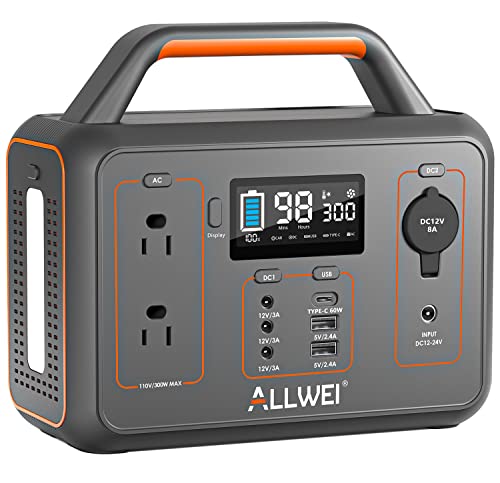
ALLWEI’s 300W model provides 280Wh, three recharging methods, and a robust array of ports. Its MPPT controller optimizes solar input, supporting CPAP devices and other daily essentials. With multiple USB ports and two AC outlets, it can operate CPAP machines continuously for a portion of the night, or be used for modest RV or camping setups. The unit’s quiet operation and compact footprint suit light-duty CPAP needs in outdoor settings.
OUPES Mega 1 Portable Power Station
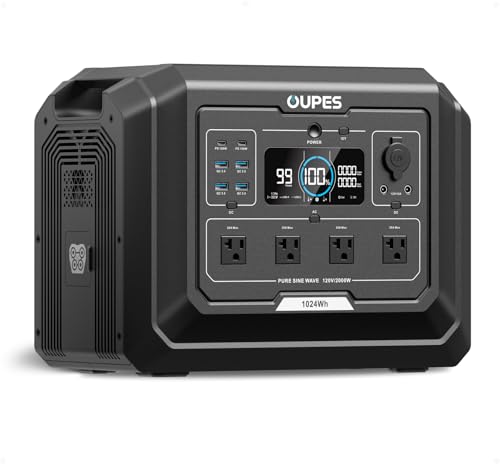
The OUPES Mega 1 offers 1,024Wh and up to 2,000W AC output, with a 4,500W peak. This provides ample headroom for CPAP machines with higher startup surges or multiple devices concurrently. It supports UPS functionality and expandable capacity via additional batteries, which helps maintain CPAP operation during longer outages. Dual charging speeds and expansive output ports make it a flexible option for home backup and travel.
MARBERO 200W Portable Power Station

MARBERO’s 200W model is highly portable at roughly 3.3 pounds with a 148Wh capacity. It includes 110V AC, USB-C, USB-A, and DC outputs, making it capable of powering a CPAP for shorter durations or during outages. Its compact size and range of outputs are ideal for travelers who need lightweight, on-the-go CPAP power and other small electronics.
EHOM EP350 299Wh

EHOM’s EP350 delivers 299Wh with 350W continuous output and a 700W peak. It supports multiple recharging paths, including solar with an MPPT controller, and claims rapid charging with NitroGo up to 300W. It’s designed for compact CPAP setups and small devices, offering fast recharging that reduces downtime between uses, ideal for emergency preparedness and light outdoor use.
Buying Guide
Key considerations when choosing a solar generator for CPAP use include capacity, continuous wattage, and surge power. CPAP machines typically draw modest continuous wattage, but startups can spike. Look for pure sine wave inverters for clean power and device longevity. Battery chemistry matters: LiFePO4 cells offer longer life and stability for frequent charging, though they may add weight and cost. Consider total energy needs across a night and peak draw, then choose a model with a comfortable margin.
Charging speed and sources are important. Models with fast-charging tech and MPPT solar controllers recover power quickly and efficiently. If you plan longer excursions, a higher-capacity system with expandable battery options can keep CPAP running through extended outages. Portability matters for travel; lighter units with practical handles help in transit. Finally, ensure the power station includes multiple AC outlets and USB-C or USB-A options for accessories and charging needs.
For home backup, pairing a solar generator with a portable solar panel kit can provide redundant charging and independence from the grid. When selecting, prioritize a balance of capacity, weight, charging speed, and interface simplicity to ensure reliable CPAP operation across scenarios.