Best Solar Charger Inverter Combo: Top All-in-One Hybrid Inverter Choices
Explore dependable solar charger inverter combos designed to power homes, RVs, and off-grid cabins. This guide reviews five strong all-in-one units, highlighting MPPT charging, pure sine wave output, and battery compatibility. Each product integrates an inverter, charge controller, and battery charging, helping you quantify which model fits your energy strategy.
| Product | Brand | Key Feature | Battery Compatibility | Output Range |
|---|---|---|---|---|
| SUMRY Solar Inverter Charger 3600W | SRGFTS | 120A MPPT, 3600W inverter | AGM, Gel, Lead-Acid, Lithium | 110V/120VAC |
| SUMRY Hybrid Solar Inverter 4000W | SRGFTS | 140A MPPT, Glass top, LCD | Battery-Less or AGM Lithium | 110V/120VAC |
| VEVOR Hybrid Solar Inverter 6000W | VEVOR | 120A MPPT, All-in-One | Lead-Acid, Lithium | 220/230V AC |
| ECO-WORTHY 10000W Solar Inverter | ECO-WORTHY | 2 MPPT, Parallel up to 6 units | AGM/Sealed, Gel, Flooded, Lithium | 120V/240V AC |
| Xijia 3600W Hybrid Inverter | xijia | 120A MPPT, 4200W PV input | Lead-Acid, Lithium | 110V/120V AC |
SUMRY Solar Inverter Charger 3600W

All-in-one inverter charger that combines a 3600W rated inverter with an integrated 120A MPPT solar charge controller and a 100A AC battery charger. PV input supports 60V-500VDC with up to 4200W input power. It delivers a pure sine wave output at 110V/120VAC, suitable for general household devices and many sensitive electronics within its limit. It can operate with various 24V battery chemistries, including AGM, Gel, Lead-Acid, Lithium, and LiFePO4. It can also run without a battery when PV power is sufficient, though PV input should exceed 120V in that mode. This model emphasizes versatility for battery-based or battery-less setups.
SUMRY Hybrid Solar Inverter 4000W

This 4000W hybrid inverter features a robust 140A MPPT charge controller and a tempered glass top cover with a large LCD display and touch controls. With 8000W peak output, it’s designed for higher-demand loads. The device supports PV input up to 5600W at 350VDC and claims high conversion efficiency up to 98%. It emphasizes a clean, monitor-friendly interface and reliable power delivery for off-grid or battery-backed systems, while accommodating a broad PV and battery configuration spectrum.
VEVOR Hybrid Solar Inverter 6000W

This 2-in-1 hybrid unit combines an inverter and MPPT charger in a 6000W pure sine wave system, designed for off-grid solar setups. It supports up to 120A battery charging and a DC input range of 60-500V, with a maximum PV input of 500VDC. It is compatible with multiple battery types, especially lithium systems, and aims to deliver efficient energy conversion for demanding off-grid or backup applications. The unit targets higher load requirements while maintaining compatibility with common battery chemistries.
ECO-WORTHY 10000W Solar Inverter
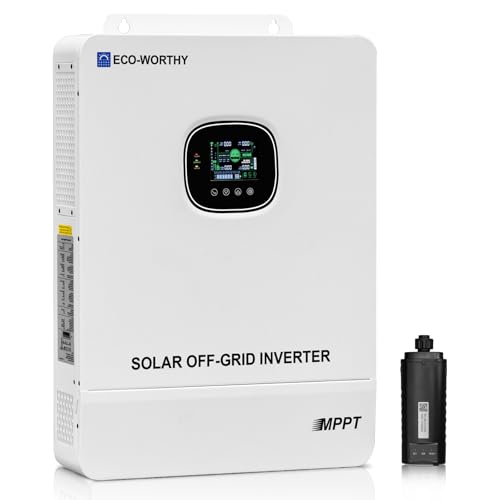
This 10 kW DC 48V UL1741 inverter includes dual MPPT controllers, enabling up to 11000W PV input and 200A total charging. It supports parallel operation (up to six units) for higher capacity and features a clear LED display with remote monitoring via optional WiFi. It supports multiple battery technologies and offers four charging modes and four output configurations, delivering flexibility for large-scale off-grid or hybrid installations.
Xijia 3600W Hybrid Inverter

This all-in-one unit converts DC 24V to AC 110/120V with a built-in 120A MPPT controller. It supports multiple charging modes and three output modes for flexible operation, including off-grid and mains recovery scenarios. The system is compatible with lead-acid and lithium batteries and offers a high PV input power of up to 4200W and a peak capacity of 7200W to help manage demand during sunny periods. It includes auto-restart when AC power returns.
AMPINVT 5000W Off-Grid Inverter
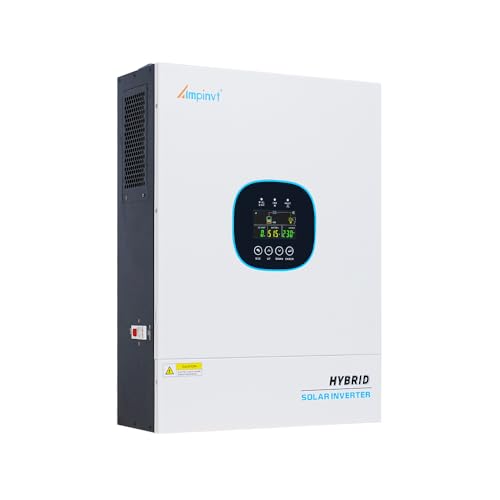
This 5 kW inverter integrates an AC battery charger, MPPT solar controller, and automatic transfer switching. It supports 48V lead-acid and lithium batteries, plus single-phase, split-phase, and three-phase outputs. It provides high transfer efficiency, multiple charging modes (Only Solar, Mains Priority, Solar Priority, Mains and Solar Hybrid), and parallel capability for scaling up to 30 kW with six units. Suitable for off-grid and backup power systems.
Buying Guide
Key considerations when selecting a solar charger inverter combo include: total continuous and peak power, to ensure the unit can handle startup surges; MPPT charging capability and maximum PV input power to maximize solar harvest; battery compatibility and chemistry support to fit your existing or planned battery bank; output voltage and sine wave quality for sensitive electronics; expandability options like parallel units for higher capacity; parallel operation and remote monitoring features for system management; and enclosure design, cooling, and warranty terms. Compare units based on real-world load profiles, climate, and practical installation constraints (space, wiring, and safety standards).
When evaluating multiple models, align the product’s specifications with your load profile and battery setup. A higher MPPT current and broader PV voltage range improve solar harvest in varied conditions, while a robust inverter rating accommodates peak appliance demand. Ensure compatibility with your battery type and consider whether you need battery-less operation or a battery-backed system. For users planning future expansion, prefer models with parallel capability and user-friendly monitoring interfaces to simplify management.