Best Smart Thermostat for Electric Baseboard Heaters
If you’re shopping for a smart thermostat to control electric baseboard heaters, prioritize models that handle high voltage (120V-240V), offer reliable WiFi control, and provide clear scheduling. This guide highlights five top options with strong compatibility for HomeKit, Alexa, and Google, plus energy-saving features. Ideal buyers include tech-savvy homeowners, renters with in-wall wiring, and anyone seeking easier remote control of electric heat. Below is a quick buying snapshot to help you compare at a glance.
Buying Snapshot (selected products)
- Mysa Smart Thermostat LITE — Best for flexible schedules and HomeKit users.
- Mysa Smart Thermostat (240V) — Best for precise remote control and advanced alerts.
- Meross Matter Smart Thermostat — Best for broad smart-home ecosystem support.
- Meross Smart Thermostat (4-wire) — Best for easy installation with HomeKit, Alexa, Google.
- Honeywell Home 5-2 Day — Best for legacy baseboard setups and proven performance.
Mysa Smart Thermostat LITE For Electric Baseboards
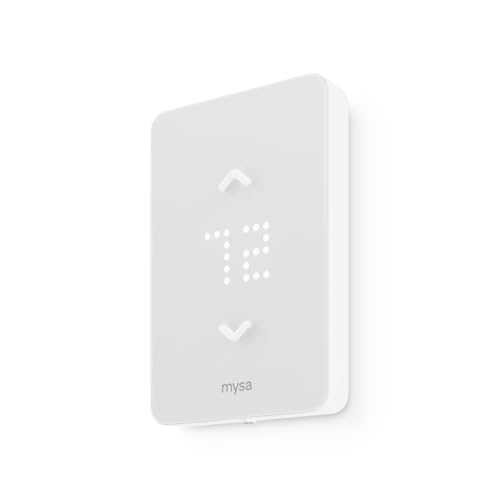
Best for: Homes that prioritize flexible weekly scheduling and voice-friendly control. This model supports 7-day scheduling, WiFi connectivity without a hub, and compatibility with Apple HomeKit, Amazon Alexa, and Google Home. It helps reduce heating costs by enabling built-in schedules and remote adjustments.
Why selected: Its lightweight, app-driven approach makes it ideal for users who want to manage multiple rooms from a single device. The direct WiFi connection means fewer devices to manage, and voice compatibility adds convenience for hands-free adjustments.
Caution: Ensure your baseboard system is 120V-240V and has access to four wires or a neutral for best operation. Some older installations may require professional wiring confirmation.
Mysa Smart Thermostat For 240V Baseboard Heaters

Best for: Users needing robust remote control with 100% free app access and strong multi-platform support. This model is designed for 240V baseboard systems with a focus on temperature and humidity alerts, plus HomeKit, Alexa, and Google compatibility.
Why selected: It combines easy installation with comprehensive remote features and alerting, helping monitor comfort and potential issues in real-time.
Caution: Requires a four-wire installation, including a neutral or second live wire. Double-check compatibility with older or two-wire configurations before purchasing.
Meross Matter Smart Thermostat For Electric Baseboard
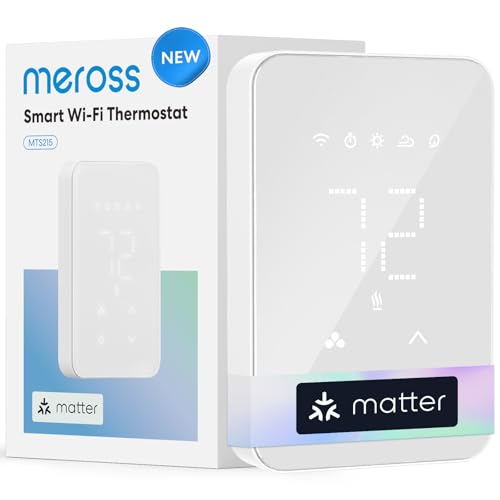
Best for: Homeowners who value broad ecosystem compatibility. This Matter-enabled thermostat supports Alexa, HomeKit, Google, and SmartThings, offering flexible voice control and universal compatibility across platforms.
Why selected: The Matter standard simplifies device integration across ecosystems, making it a strong choice for households with multiple smart assistants or future-proofing considerations.
Caution: Not compatible with all low-voltage systems; designed for high-line voltage electric heating. Confirm your wiring and system type before installing.
Meross Smart Thermostat For Electric Baseboard (4-Wire Install)

Best for: Users seeking straightforward setup with HomeKit, Alexa, and Google control on a 120V-240V system. The 4-wire requirement helps ensure reliable power to the thermostat and accurate sensing.
Why selected: Its clear install path and broad voice assistant support make it a flexible option for households upgrading from a basic thermostat to smart control.
Caution: Requires four wires and proper high-voltage wiring. Installation can be more involved on older walls; consider professional help if unsure.
Honeywell Home 5-2 Day Programmable Thermostat

Best for: Buyers with established baseboard or convector systems who prefer a traditional programmable thermostat with reliable, silent operation. This device is known for precise temperature control and a long-standing track record.
Why selected: The 5-2 day programming allows a structured schedule with efficient energy use, and silent TRIAC switching reduces temperature swings and disruptive noises.
Caution: This model is a classic programmable thermostat without modern smart features. If you want app control, you may need a separate smart hub or an alternative model.
Honeywell Home RTH9585WF1004 Wi-Fi Smart Color Thermostat
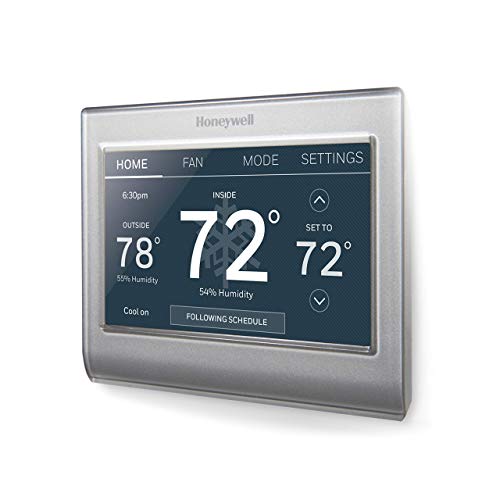
Best for: Color-coded, Wi-Fi smart control for modern homes that want an aesthetically pleasing thermostat with flexible scheduling. Works with Alexa, Google, and HomeKit through integration options.
Why selected: The color display and flexible energy-saving options align with contemporary décor and smart-home aesthetics. It’s a reliable choice for those upgrading from older non-smart models.
Caution: It is a smart thermostat intended for compatible HVAC setups; confirm your baseboard system supports the required wiring and voltage before purchasing.
Honeywell Electric Heat Digital 7 Day
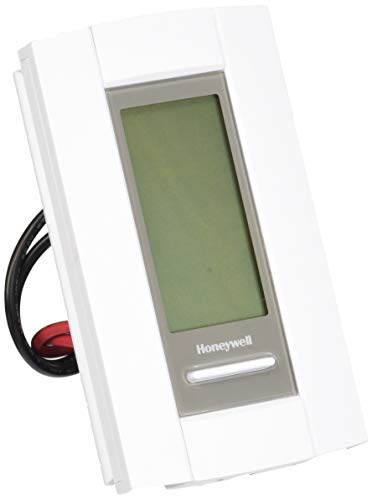
Best for: Those with a preference for a fully programmable, 7-day schedule and no smart-home ecosystem dependency. This model focuses on precise, programmable control for electric baseboards.
Why selected: The extended scheduling window supports energy savings and tailored comfort across the week, making it suitable for busy households with predictable routines.
Caution: Lacks built-in Wi-Fi or smart integration; installation and manual programming are essential for operation, so consider compatibility with your wiring and needs.
Buying Guide: Smart Thermostats For Electric Baseboard Heating
- Voltage and wiring. Confirm your baseboard system runs on 120V-240V and requires four wires (including a neutral or second live) for proper smart thermostat operation.
- Smart home compatibility. Choose a model that works with your preferred voice assistants (HomeKit, Alexa, Google) or Matter compatibility for future-proofing.
- Energy savings features. Look for scheduling, adaptive display or brightness, and energy-monitoring capabilities to optimize heating costs.
- Installation difficulty. Some models require professional wiring, especially with high-voltage baseboard systems. Review installation notes before purchasing.
- Reliability and control. Prioritize products with stable Wi-Fi connections and clear remote control options to manage temperatures from anywhere.
- Caution with legacy systems. Older or two-wire setups may not be compatible with all smart thermostats. Verify compatibility with your existing wiring and baseboard type.
Frequently Asked Questions
- Can I use a smart thermostat with electric baseboards? Yes, but ensure the unit supports high-voltage (120V-240V) baseboard systems and has four-wire wiring or a neutral connection for proper operation.
- Do these thermostats require a hub? Some models connect directly to WiFi without a hub, while others may offer hub-free operation. Check each product’s connectivity details.
- Are these compatible with HomeKit, Alexa, or Google? Many options support multiple ecosystems. Verify compatibility in the product features before purchase.
- Will installation affect my warranty? Wiring changes associated with high-voltage baseboard thermostats can affect warranties. Follow manufacturer instructions or hire a licensed electrician if needed.
- Which model saves the most energy? Models with robust scheduling and adaptive features tailored to your daily routine typically yield the best savings, especially when you actively program away-time temperatures.
- What should I check before buying? Confirm voltage range, number of wires, compatibility with your baseboard type (baseboard, convector, or fan-forced), and whether you prefer a smart ecosystem or hub-less control.