Best Small Pure Sine Wave Inverters for Cars and RVs
When choosing a compact pure sine wave inverter, the goal is reliable AC power for sensitive electronics from a 12V source. The following selections are standout models that balance wattage, safety features, and practical design for vehicles, boats, and off‑grid setups. This guide highlights five top choices with key specs and what to consider before you buy.
| Product | Wattage | Key Benefit | USB/Extras |
|---|---|---|---|
| BESTEK 300W Pure Sine Wave Inverter – 300W | 300W | Compact car plug-in with dual USB ports | 2 USB ports, 700W peak |
| BESTEK 500W Pure Sine Wave Inverter | 500W | Stronger load handling, two outlets | 2 USB ports, ETL listed |
| BESTEK 300W Pure Sine Wave Inverter with PD30W USB‑C | 300W | PD USB‑C fast charging | PD30W, QC 18W |
| BELTTT 2000W Pure Sine Wave Inverter | 2000W | High power for RV/off‑grid | Dual AC, USB, remote |
| Renogy Inverter P2 2000W Pure Sine Wave | 2000W | Solar/off‑grid ready, built‑in USB | USB, remote |
BESTEK 300W Pure Sine Wave Inverter – 300W
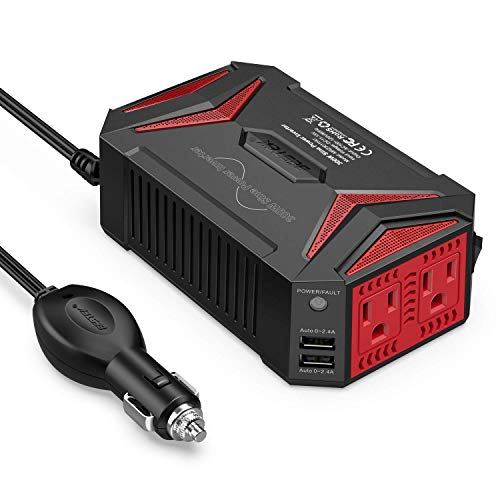
The BESTEK 300W Pure Sine Inverter provides continuous DC to AC power up to 300W with a peak of 700W. It includes two AC outlets and two USB fast charging ports, automatically delivering up to 2.4A per port (4.8A total). The aluminum housing and smart fan design aid heat dissipation, and it is designed to work with 11–17V input, broadening compatibility with newer energy vehicles. This model is suited for charging laptops, cameras, tablets, and small household devices from a car battery or light-duty off-grid source.
BESTEK 500W Pure Sine Wave Power Inverter
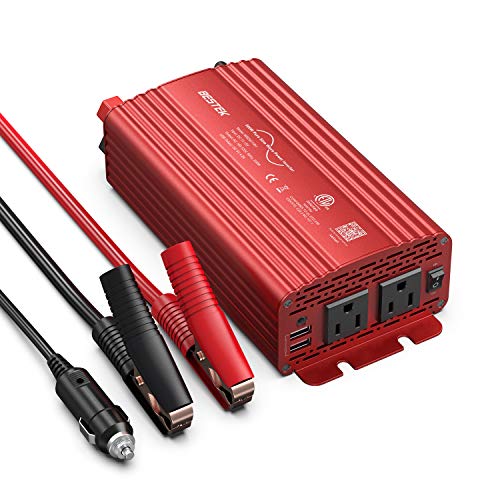
This 500W inverter mirrors home AC quality with a true sine wave, supporting sensitive electronics and loads that require smoother power. It includes two AC outlets and two USB ports with automatic device detection for efficient charging. Heat management features a built-in fan and an aluminum alloy casing for durability in vehicle or off-grid setups. It also provides options for car battery connection via cigarette lighter or direct clamps, ideal for longer trips or small workshop uses.
BESTEK 300W Pure Sine Wave Inverter With PD30W USB‑C

This variant adds a USB‑C PD port delivering up to 30W, alongside QC fast charging. It maintains 300W continuous power and 700W peak with two AC outlets and a 24-inch cigarette‑lighter cable. The PD/UCB charging capability makes it suitable for laptops and newer phones that support fast USB‑C charging. It is a practical choice for travelers who want quicker top-ups on the go without sacrificing inverter safety features.
BELTTT 2000W Pure Sine Wave Inverter

This high-wattage model delivers up to 2000W continuous power with a 4000W surge, making it suitable for larger appliances and tools. It features a dual AC outlet setup, USB port, smart LCD display, and remote control options. The inverter emphasizes a pure sine wave output for delicate devices and offers multiple protections, cooling, and robust construction for RVs, trucks, and off‑grid installations where higher power is needed.
Renogy Inverter P2 2000W Pure Sine Wave

The Renogy P2 2000W inverter offers solid off-grid capabilities with 2000W continuous power and 4000W peak, designed for solar-powered vehicles or homes. It includes a built-in 5V/2.1A USB port and a remote controller for easy monitoring. The unit provides protection features such as over/under-voltage and over-temperature alerts, helping to safeguard connected devices while delivering clean sine wave power to electronics like TVs, laptops, and gaming consoles.
Buying Guide
Key considerations when selecting a small pure sine wave inverter:
- Wattage and surge: Match continuous power to your typical loads and check peak surge to handle startup for motors and large devices. Higher wattage models can power more equipment but require more robust wiring.
- Output quality: Pure sine wave inverters offer grid-like AC power and are better for sensitive electronics than modified sine wave units. If you plan to run laptops, TVs, or scientific instruments, prioritize true sine output.
- Input compatibility: Most car inverters run off 12V, but some accept 11–17V or require hardwiring. Verify compatibility with your vehicle’s electrical system and consider soft-start features for delicate loads.
- Protection and safety: Look for overload, short-circuit, over-voltage, under-voltage, and thermal protections. LCD displays help monitor battery status, voltage, and fault codes.
- Cooling and durability: Aluminum housings with built-in fans improve heat management. If the inverter sits in a hot environment, ensure there is airflow or active cooling.
- Connectivity: USB ports, including USB‑C with PD, charge phones and laptops faster. Consider models with multiple outlets if you need to run several devices simultaneously.
- Wiring and installation: Some units are cigarette-lighter plug-in, others support direct battery clamps. For heavy loads or extended use, hardwired setups reduce voltage drop and increase safety.
- Portability vs. power: Smaller units are easier to carry but have lower wattage. Bigger models handle more appliances but require more space and ventilation.
When comparing models, assess your typical devices, whether you need USB‑C PD, and how often you’ll rely on the inverter in motion or at a campsite. Prioritize units with robust protection features and a clean sine wave to preserve the life of electronics.