Best 4 Ohm Guitar Cabs for Solid Stage and Studio Performance
Answering the need for clear, practical guidance, this guide highlights four top 4 ohm guitar cabs ideal for different playing styles and venues. Best for players seeking reliable watt handling, punchy mids, and balanced highs, these options cover bedroom practice to gig-ready setups. The buyer’s focus ranges from small-room tone upgrades to high-output stage cabinets. The table below helps compare core specs at a glance.
| Product | Impedance | Power (W RMS) | Best For |
|---|---|---|---|
| CELESTION Eight 15 4 Ohm Guitar Speaker | 4 Ω | 20 | Authentic British tone, compact 8″ speaker, great for bedroom to small venues |
| 5 CORE 15 Inch Speaker 4 Ohm | 4 Ω | 220 | Warm lows and clear mids for mid-size rigs |
| Gallien-Krueger NEO IV 4×10 | 4 Ω | 1000 | High-powered stage cab, deep low end for rock/funk |
| Markbass MB58R 104 P | 4 Ω | 600 | Compact 4×10 with strong projection for live gigs |
Note: The selected products emphasize reliable 4 ohm designs that pair well with a variety of amplifiers, from compact combos to head-and-c cabinet setups. Each choice is evaluated for who it suits best, its notable strengths, and any potential limitations based on available data.
CELESTION Eight 15 4 Ohm Guitar Speaker
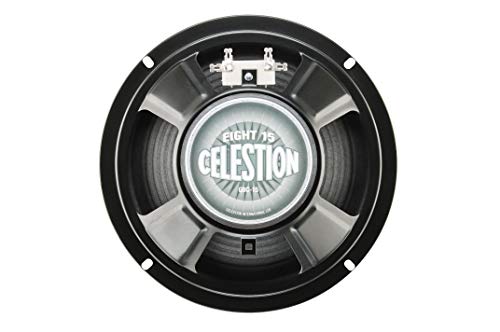
The Eight 15 is an 8″ speaker built for authentic British tone with well-balanced mids and highs and a surprisingly bold bottom end. Its 4 ohm impedance makes it compatible with a wide range of guitar amplifiers and cabinets, enabling efficient power transfer and straightforward pairing for compact rigs. Best for players seeking a distinct midrange presence without sacrificing tight low end, such as bedroom practice setups or small-stage applications. Limitation: As an 8″ speaker, it may be outperformed by larger drivers for ultra-high stage volumes.
5 CORE 15 Inch Guitar Speaker 4 Ohm
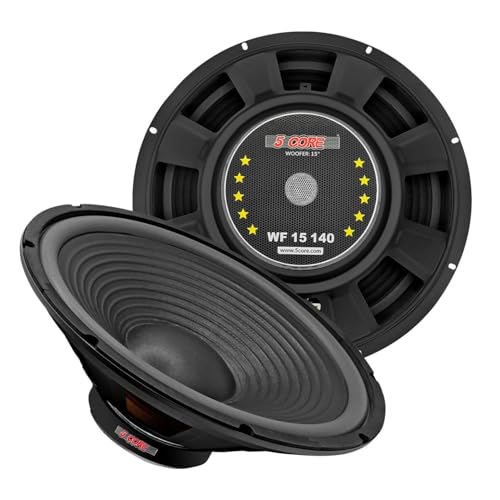
This 15″ 4 ohm speaker delivers 220W RMS with 450W peak, designed for robust output in amplifiers, cabinets, and PA systems. Its wide frequency response (40 Hz–3 kHz) supports warm lows, defined mids, and clear articulation of chords, making it a versatile choice for rock, blues, and metal players who need headroom and punch. Best for: mid-sized gigs and live scenarios where loud, expressive guitar tones are essential. Caution: Large 15″ cabinets can be physically heavy and require suitable enclosure design.
Gallien-Krueger NEO IV 4×10 Bass Cabinet

Although marketed as a bass cabinet, the NEO IV 4×10 format is noted for its high-power handling and Neodymium speaker setup with a horn tweeter. Its front-ported design enhances projection and low-end response, making it a viable option for players seeking a rigorous, loud stage presence with clear highs. Best for players needing maximum on-stage throw or a bass-leaning guitar rig that benefits from extended low frequencies. Limitation: Designed primarily for bass amplification; guitarists should verify compatibility with their head and enclosure design for optimal results.
Markbass MB58R 104 P 4×10 Cabinet

The MB58R 104 P is a 4×10-inch cabinet, rear-ported for extended low end and a focused midrange, powered by Markbass ceramic speakers and a piezo tweeter. It weighs in with substantial watt handling and a compact footprint relative to typical 4×10 enclosures. Best for players seeking a reliable, road-ready cabinet that balances output with portability. Caution: Some players may prefer a horn or tweeter configuration for more aggressive high-end presence; this model relies on its own balance for tone.
Buying Guide
- What is the intended use? Match the cabinet size and impedance to your venue size and amplifier power. Larger cabs with multiple 10″ or 15″ drivers deliver more low-end and projection for live gigs, while smaller formats can suit home studios or practice rooms.
- Impedance compatibility: All listed cabs are 4 Ω, a common choice that works with many heads and combos. Ensure your amplifier can deliver adequate power into 4 Ω for full headroom without strain.
- Speaker size vs. portability: 8″ speakers are compact and responsive but may lack the deep bottom end of 12″ or 15″ designs. 4x10s and 2x12s offer higher wattage handling and bigger stage presence but weigh more.
- Sound goals: For vintage-inspired tones with pronounced mids, consider smaller, efficient drivers like the Eight 15. For modern, aggressive tones and louder gig-ready output, 4×10 or bigger cabinets with robust power handling are preferable.
- matters: Front-ported designs like some Markbass and GK cabs can shape bass response and projection; sealed or rear-ported options influence frequency balance and stage behavior.
Frequently Asked Questions
- Why choose a 4 ohm cabinet? A 4 Ω cabinet typically allows higher power transfer from an amplifier head, potentially offering more volume in the same head settings compared with higher-impedance cabinets.
- Can I use a 4 ohm cabinet with a 8 ohm head? It may work but could limit maximum power delivery. Always verify head impedance compatibility to avoid underpowering or damage.
- What cabinet size is best for small venues? An 8″ or 2×12″ cabinet can be ideal for small rooms, providing a tighter, more controllable low end without overwhelming the space.
- Are bass cabinets suitable for guitar use? Some guitarists use bass cabinets for extended lows or stage presence, but ensure your guitar amp head and cabinet pairing suits the intended tone and impedance.
- How important is enclosure design? Enclosure design (front-ported vs sealed) influences bass response, clarity, and projection, impacting how your tone translates on stage.