Best Small Inline Water Heater for Quick Under-Sink Hot Water
Compact under-sink water heaters deliver fast hot water without draining your whole tank. This guide highlights five reliable models, focusing on installation flexibility, energy efficiency, and durable construction. Whether you need instant hot water for a kitchen sink, RV, or a busy workshop, these point-of-use heaters offer practical solutions with reputable brands and solid performance.
Below is a quick reference table of five selected products, showing key specs to help you compare at a glance.
| Product | Brand | Capacity | Voltage | Notable Feature |
|---|---|---|---|---|
| BOSCH Electric Mini-Tank ES2.5 | Bosch | 2.5 gal | 120V | Excellent thermal efficiency, wall/floor/shelf mounted |
| BISELONG 2.5 Gal Under-Sink | BISELONG | 2.5 gal | 120V | Rapid recovery, smart energy-saving inverter |
| Bosch Electric Mini-Tank ES8 | Bosch | 7 gal | 120V | Vertical or horizontal installation |
| ThermoMate ES250 | ThermoMate | 2.5 gal | 110V/120V | Insulated tank, corrosion-resistant |
| GE 6 Gallon Mini Tank | GE | 6 gal | 120V | Compact, easy installation, hot water booster option |
BOSCH Electric Mini-Tank Water Heater Tronic 3000 T 2.5-Gallon
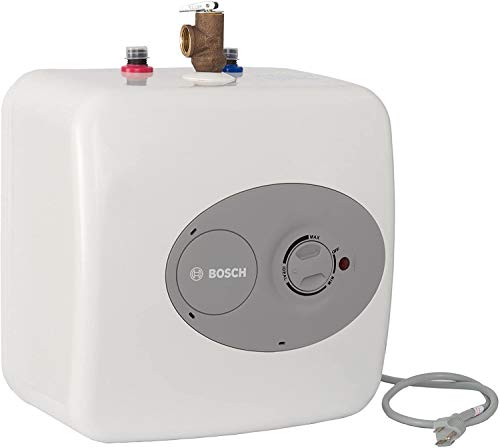
The Bosch ES2.5 is a compact point-of-use heater designed to fit under sinks and deliver hot water exactly where it’s needed. With a 98% thermal efficiency rating and a 13.75-inch by 13.75-inch footprint, it provides a reliable supply for small-demand tasks. Its glass-lined interior supports long service life, while a 12-amp, 120-volt operation allows easy plug-in installation. The unit is suitable for independent installation or inline with a larger hot water source, enabling flexible configurations in tight spaces.
Key considerations include placement flexibility and ease of maintenance. The ES2.5’s compact dimensions help it tuck into cabinets or closets, and its durable construction supports years of service in residential kitchens or bathrooms. If you frequently run out of hot water at a sink, this model’s fast recovery and efficient design can reduce wait times and water waste. For households with an existing hot water line, the unit’s 120V plug-in option simplifies retrofitting without major electrical work.
BISELONG 110V-120V 2.5 Gallon Under Sink Water Heater
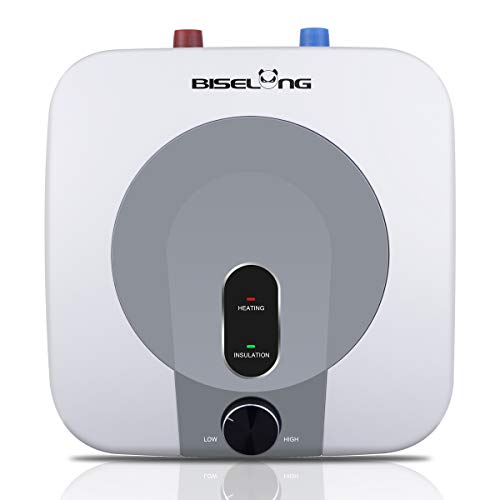
The BISELONG unit emphasizes rapid temperature recovery and space efficiency. Its 1.1mm-thick 304 stainless steel tank, laser-welded construction, and 1500W L-shaped heating element speed up heating, enabling hot water in roughly 8–15 minutes for up to two sinks. The 99% thermal efficiency and built-in smart chip regulate temperature while minimizing heat loss, and the compact design makes it a versatile option for kitchens, RVs, food trucks, or offices. The heater’s insulation helps maintain warmth, reducing standby energy usage.
Consider the BISELONG if you want a high-performance under-sink heater with a smart control approach. Its robust stainless steel tank minimizes corrosion, and the device’s small footprint preserves cabinet space. Installation flexibility is a plus, allowing mounting in various orientations to suit plumbing layouts. The unit’s automatic insulation and temperature regulation help keep energy use predictable, which can be valuable for households seeking steady hot water without larger storage tanks.
Bosch Electric Mini-Tank ES8 7-Gallon
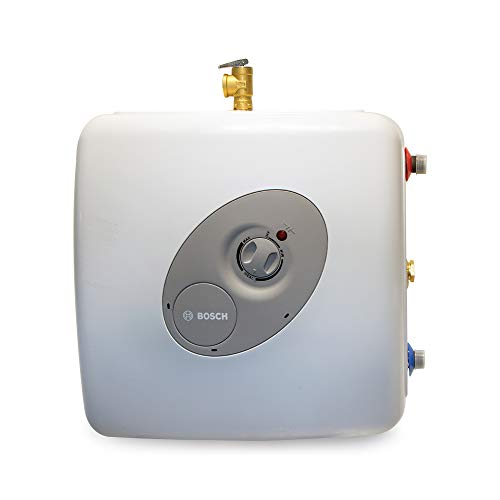
The ES8 model expands the point-of-use approach with a 7-gallon capacity and similar 98% thermal efficiency. It can be mounted vertically or horizontally, giving installers flexibility to align with existing plumbing. The larger capacity is beneficial for small apartments or offices where multiple fixtures may require hot water simultaneously. This model is ideal when longer pipe runs would otherwise drain energy from a single, smaller tank. The ES8’s straightforward wiring and reliable glass-lined interior contribute to consistent performance over time.
When evaluating a larger under-sink heater, pay attention to orientation options, mounting requirements, and the unit’s ability to hard-wire if needed. The ES8 supports diverse installation scenarios, which can be a deciding factor in renovations or new builds with complex layouts. For households that anticipate steady demand from multiple fixtures, this model provides a more robust supply while staying compact enough for under-sink placement.
Electric Mini Tank Water Heater UL Listed, ThermoMate ES250

The ThermoMate ES250 is a 2.5-gallon mini tank designed for point-of-use operation. It offers a 110V/120V plug-in setup with a 1440W element, enabling fast recovery and near-instant hot water at the faucet. Its insulation and glass-lined interior support sustained warmth, while an adjustable thermostat lets users set temperatures between 50°F and 149°F. The unit’s compact dimensions fit under most sinks, making it a practical choice for kitchens and baths where space is at a premium.
Important considerations include the unit’s insulation thickness, which contributes to energy efficiency and reduced standby losses. The ES250’s porcelain enamel and anode features help protect against corrosion and leaks, extending the life of the tank. If you require predictable hot water for small loads with straightforward installation, this ThermoMate model offers a balanced combination of performance, reliability, and ease of use.
GE Appliances 6 Gallon Mini Tank Electric Water Heater

The GE 6 Gallon model provides a compact solution with 1/2-inch NPT connections for easy wall or floor mounting. Its 6-gallon capacity supports modest hot water needs while maintaining a small footprint suitable for kitchens, bathrooms, and minor utility spaces. In addition to straightforward installation, the unit can function as a standalone heater or be used inline with a larger system to boost hot water delivery over long pipe runs or near washing machines.
Key factors when considering GE’s offering include install location, access to electrical wiring, and how the booster capability may integrate with existing equipment. For spaces where a larger single-use tank would be impractical, this GE model offers a sensible balance of capacity and compactness. It can serve as a practical upgrade for more consistent hot water delivery in tight setups or auxiliary supply for appliances that demand quick heat.
Buying Guide: Key Purchase Considerations
- Capacity vs. hot water demand: Smaller households and single fixtures often do well with 2.5–4 gallon units, while small offices or busy kitchens may benefit from 6–7 gallon options. Consider peak usage and whether you need instant hot water at multiple fixtures.
- Installation space and orientation: Look for models that support vertical or horizontal mounting to fit cabinets, closets, or garages. Measure available space and verify clearances around plumbing and electrical connections.
- Electrical requirements and energy use: Most point-of-use heaters run on standard 120V circuits. Check circuit capacity to avoid tripping breakers and evaluate insulation quality to minimize standby losses and energy costs.
- Durability and material quality: Stainless steel or glass-lined tanks resist corrosion and leaks. A strong anode rod, fused porcelain enamel lining, and reliable electrical components extend lifespan in busy households or commercial settings.
- Recovery rate and heat-up time: Faster recovery reduces wait times for hot water, especially when multiple fixtures are used in succession. Inspect heating element design and tank insulation for performance.
- Safety features: Temperature and pressure relief valves, thermal cutoffs, and freeze protection help prevent accidents and damage in colder environments or during power interruptions.
- Maintenance and warranty: Look for models with accessible maintenance paths and solid warranty coverage. Regular checks of the thermostat, heating element, and tank integrity help maintain performance over time.
- Integration with existing systems: Some heaters can be wired into larger hot water networks or operate as stand-alone units. Consider plumbing layout, distance to fixtures, and potential heat loss in long runs.
When selecting a small inline water heater, the goal is to balance space, performance, and reliability. The models highlighted here offer a spectrum of capacities, mounting options, and energy features to suit American homes and small offices. By evaluating your faucet locations, anticipated demand, and electrical setup, you can choose a solution that minimizes wait times for hot water while conserving energy and space.