Best Shore Power Generator Transfer Switches for RVs and Off-Grid Setups
Getting reliable power while on the road or off-grid starts with selecting the right transfer switch. This guide highlights five top options that handle shore power, generators, and inverters with automatic or manual switching. Best for RV enthusiasts, camping setups, and small homes needing seamless power transitions. The products below are chosen for clear specs, compatibility, and practical buyer insight.
Summary table of selected products:
| Product | Voltage/Amperage | Type | |
|---|---|---|---|
| Renogy 30A Transfer Switch | 120V, 30A | Automatic | RVs, shore power, solar inverters |
| YAURILO 30A Automatic Transfer Switch | 120V, 30A | Automatic | RV travel trailers, camping vans |
| QHHR 30A Transfer Switch | 120V, 30A | Automatic | Inverters, shore power, generators |
| Go Power TS-50 50A | 120V, 50A | Automatic | Slower generator startup with higher power needs |
| HKJWUN 30A Transfer Switch | 120V, 30A | Automatic | RV inverters, shore power, generators |
Renogy 30Amp Transfer Switch

Best for: RVs and off-grid setups that already use Renogy or similar pure sine wave inverters. This switch automatically routes power between shore power, solar inverters, and backups, ensuring continuous supply without manual intervention. It’s noted for heat- and corrosion-resistant ABS construction, making it a durable option in challenging environments.
Why selected: It offers seamless automatic switching and broad inverter compatibility, helping maintain uninterrupted loads in mobile or remote applications. It’s a strong fit for users prioritizing reliability and environmental durability.
Caution: Confirm compatibility with your inverter’s wattage rating to avoid overload scenarios during peak demand.
YAURILO 30 Amp Automatic Transfer Switch
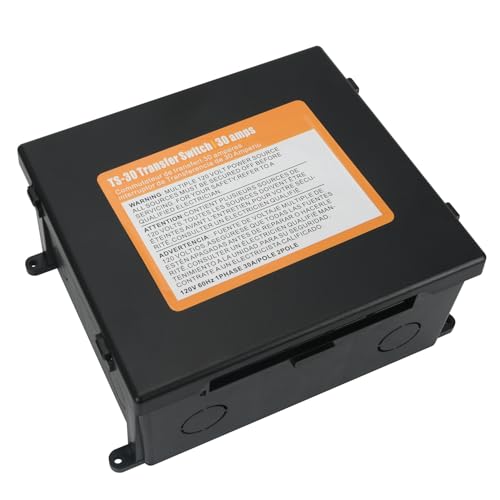
Best for: RV travel trailers and camping vans needing automatic switching between onboard generators and shore power with simple, no-rewire installation. This unit emphasizes low heat generation and rugged material performance for mobile environments.
Why selected: It integrates smoothly with inverters, shore power, and generators, offering automatic operation that reduces manual steps during travel or camping scenarios.
Caution: Installation may require professional wiring if you’re uncertain about panel integration or pre-punched mounting holes.
QHHR 30 Amp Transfer Switch

Best for: Inverter users and those who require reliable automatic switching between two AC input sources. It supports two 30-amp sources, enabling robust power management for RVs and small off-grid systems.
Why selected: Its ability to automatically switch between 2 30-amp inputs provides a balanced solution for multi-source power setups, reducing downtime when sources change.
Caution: Ensure your wiring path remains compliant with local electrical codes and that load does not exceed the switch’s 30A capacity during peak use.
Go Power TS-50 50 Amp Transfer Switch
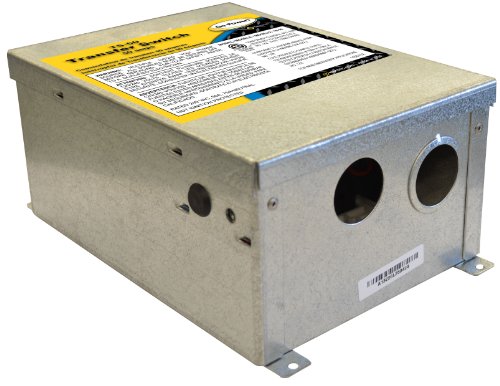
Best for: RVs or off-grid systems with higher power needs where a 50A rating is advantageous. Includes a generator delay switch to ensure safe operation during generator startups.
Why selected: The 50-amp capacity provides headroom for larger appliances and simultaneous loads, with a practical delay mechanism that helps prevent power surges when generators start.
Caution: Higher amperage means larger wiring and panel requirements; verify your installation’s fitment and space before purchase.
HKJWUN 30 Amp Transfer Switch

Best for: RV enthusiasts seeking automatic switching between two independent 120V inputs, including inverter, shore power, or generator sources. Features a 12V DC relay for stable transitions and a configurable delay timer.
Why selected: Its adjustable delay timing helps protect sensitive devices by ensuring voltage stabilization before transfer completes, which is valuable for electronics-heavy setups.
Caution: If you need ultra-fast switching, note the delay timer may introduce a slight lag in power transfer.
Buying Guide
What should you consider when choosing a transfer switch?
- Source compatibility: Ensure the switch supports the source types you use (shore power, inverter, generator) and matches amperage needs.
- Automatic vs. manual: Automatic models reduce manual steps but may be more complex to install.
- Amperage rating: Choose a rating that covers your total expected load without overloading the switch.
- Delay timing: Delays can protect generators and devices but may cause a momentary power gap during switchover.
- Durability and enclosure: Look for heat- and impact-resistant materials suitable for RVs and outdoor environments.
- Installation requirements: Some models require minimal wiring; others may need professional installation or panel modifications.
- Safety features: Break-before-make or break-before-make design, reverse polarity indicators, and proper isolation between sources are important.
Frequently Asked Questions
- What is a shore power transfer switch used for?
- Can I install a transfer switch myself, or should I hire a professional?
- What does a delay switch do in a transfer switch?
- How do I choose between 30A and 50A transfer switches?
- Are automatic transfer switches safer for sensitive electronics?
- Will a transfer switch work with any inverter?
Answers: A transfer switch safely routes power from multiple sources to your loads, preventing backfeed and enabling automatic switchover. DIY installation is possible for simple setups but may require electrical knowledge; professional help is recommended for complex panels. A delay switch postpones transfer to ensure generators reach stable voltage. Choose 30A for smaller rigs and 50A for higher load needs; ensure compatibility with your inverter and shore power. Automatic switches generally offer safer, hands-off operation for electronics when wired correctly. Compatibility depends on matching input/output options and amperage with your inverter and wiring.