Best Push Pull Battery Disconnect Options for Your Vehicle
When you need a reliable push/pull battery disconnect, the right choice depends on your system voltage, amperage needs, and installation needs. This guide highlights five solid options suitable for cars, trucks, off-road rigs, boats, and enthusiasts who want quick, safe power control. The selected products balance durability, ease of use, and clear on/off indication. They’re best for users who want a simple, hands-on switch that can cut power quickly in emergencies or when leaving a vehicle unattended.
Summary of selected products:
- F.S.P Heavy Duty Push/Pull Switch — 75A, 6-28V DC, chrome knob
- JEGS Push/Pull Battery Disconnect Switch — 300A continuous, 2000A momentary, 6-36V
- Longacre 45749 Battery Disconnect Push/Pull
- Moroso Push/Pull Switch (74105) Battery Disconnect
- Spurtar Battery Disconnect Switch — 200A, 12-48V DC
F.S.P Heavy Duty Push/Pull 75A Switch

Best for: Vehicles or equipment requiring a robust 75A DC disconnect with a chrome knob for clear operation. This switch is rated 6-28V DC and uses copper terminals with a zinc alloy body for durability. The 5/8″ mounting stem and 15/32″ diameter fit a variety of panels. Choose this if you want a rugged, straightforward on/off push-pull control with reliable electrical contacts.
Caution: Ensure panel thickness and mounting space accommodate the stem length and diameter to avoid fit issues.
JEGS Push/Pull Battery Disconnect Switch
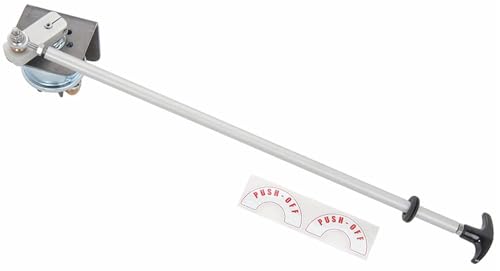
Best for: Enthusiasts needing high current capability for 12-16V systems with theft protection when the vehicle is idle. This switch provides 300A continuous and 2000A momentary ratings, with a push/pull rod for intuitive operation. It’s a strong choice for performance cars, race trailers, and off-road rigs where quick power cut is essential.
Caution: Note the voltage range (6-36V DC) to ensure compatibility with your system.
Longacre 45749 Battery Disconnect Push/Pull

Best for: Racing and performance environments where the switch needs to be compact and easily reachable. Longacre’s push/pull design emphasizes straightforward operation and reliable disconnection, suitable for race vehicles and track-focused builds. It’s a solid pick when you want a purpose-built disconnect without extra frills.
Limitation: Product listing emphasizes basic functionality; verify panel clearance and wiring access in your specific installation.
Moroso Push/Pull Switch (74105)
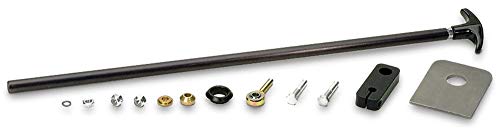
Best for: Users who want a rugged, aviation-grade style with aluminum parts finished in black anodized coating. The kit includes brackets, swing arm linkage, a long aluminum actuator, bushings, fasteners, and instructions, making it suitable for installations where a complete mounting solution is desired. It’s ideal for custom builds and high-end install projects.
Caution: The kit’s complexity may require careful assembly and precise mounting to ensure smooth operation over time.
Joinfworld Push Pull Switch 75A 6-28V

Best for: Automotive, trucks, and off-road applications needing a compact, durable 75A switch. The standard 2-pin SPST design uses a chrome-plated knob and heavy-duty copper terminals. It’s a good balance of rugged construction and ease of wiring, with a mounting stem that fits up to a 2/5″ thick panel.
Caution: Ensure the mounting thickness and space allow the stem to sit flush with the panel for a clean installation.
2 Pack Heavy Duty Push-Pull 75A Switch

Best for: Budget-conscious buyers who want two durable 75A switches for multiple circuits or spare parts. Chrome-plated knobs and durable metal construction offer reliable on/off control. It’s suitable for straightforward installations where two disconnects are needed.
Caution: This option provides two units; verify that your wiring plan accounts for multiple disconnect points and proper panel space.
Buying Guide
What amperage rating do I need?
Choose a rating that matches your system’s continuous current and potential transient loads. Higher amperage units offer more margin for peak surges but may require larger panels and heavier wiring.
What voltage range matters?
Ensure the switch supports your system voltage. Common automotive ranges are 12–24V or up to 36V for certain kits. Mismatched voltage can lead to poor performance or safety concerns.
Is a mounting size important?
Check the mounting stem length and diameter to ensure the switch fits your panel thickness and cutout. A misfit can cause installation headaches or mechanical failure.
What about ease of use and safety?
Push/pull mechanisms should be intuitive and provide a tactile, audible confirmation when switching off. A clearly labeled on/off face helps avoid accidental energization in critical situations.
Material and durability considerations
Metal bodies and chrome or plated knobs typically withstand vibrational environments better. Aluminum components and robust terminals improve longevity in harsh conditions.
Installation considerations
Look for switches that come with easy wiring options, such as copper terminals and clear mounting hardware. Some kits include brackets and instructions, simplifying installation in complex setups.
Compatibility with your setup
Confirm that the selected switch is suitable for your vehicle, boat, or equipment, including proper voltage, current draw, and mounting space. Avoid oversized units in tight dashboards or small panels.
FAQ
- Q: Do all push/pull switches cut power completely? A: Most are designed to disconnect the battery or main power line, but verify the exact wiring and intended use for your setup.
- Q: Can I install these switches without professional wiring? A: Many are designed for straightforward installation, but follow the manufacturer’s wiring diagrams and safety practices.
- Q: Are these switches weather-resistant? A: Some are designed for harsh environments; confirm the model’s enclosure and IP rating if exposed to moisture or dust.
- Q: What maintenance is required? A: Periodic inspection of terminals for corrosion and ensuring the actuator moves freely helps maintain reliability.
- Q: Can I use a 75A switch on a 200A system? A: It’s not recommended; select a switch with an amperage rating at or above your system’s continuous current.
- Q: Do these switches come with brackets or mounting hardware? A: Some kits include brackets and hardware; others may require separate mounting supplies.