Best Programmable Thermostats for Heat Pumps: Save Energy and Stay Comfortable
Answer: A programmable thermostat designed for heat pumps optimizes heating and cooling schedules, improving comfort while saving energy. This guide highlights five top options ideal for different setups, from traditional heat-pump systems to modern Wi‑Fi models.
Who this is for:
– Small homes needing straightforward scheduling: RTH22B and RTH7600D.
– Systems with auxiliary/emergency heat: H725 is a strong fit.
– Wi‑Fi and color display enthusiasts: RTH9585WF1004 offers smart features and energy insights.
– Budget-conscious buyers seeking reliable 7‑day programming: Suuwer 5‑1‑1 model provides solid control without smart connectivity.
| Product | Best For | Key Benefit |
|---|---|---|
| Honeywell Home Programmable Thermostat RTH22B | Conventional/Heat Pump systems, replacement for older Honeywell models | Flexible scheduling and clear display |
| Heagstat H725 5/1/1 Day Programmable Heat Pump Thermostat | 2H/1C heat pump with dedicated weekday/weekend programs | Explicit compatibility limits reduce setup risk |
| Honeywell Home RTH9585WF1004 Wi‑Fi Smart Color Thermostat | Smart homes, color display, remote access | Flexible programming and energy-reward options |
| Honeywell Home RTH7600D 7‑Day Thermostat | General 7‑day control, straightforward use | Large touchscreen and easy scheduling |
| Suuwer 5‑1‑1 Day Programmable Heat Pump Thermostat | Budget-friendly, up to 2H/1C heat pump systems | Clear weekday/weekend programming with daily periods |
Honeywell Home RTH22B Programmable Thermostat

The RTH22B supports conventional or heat pump configurations with up to two stages of heat and two stages of cooling, making it suitable for two‑zone homes or replacing older Honeywell units. It offers a flexible 7‑day and 5‑1‑1 programming scheme, plus a large display for easier daily use. Best for buyers upgrading an older thermostat to a modern programmable model within a conventional/heat pump hybrid setup. A potential limitation is that it may require manual wiring compatibility checks if you are upgrading from a much older system.
Heagstat H725 5/1/1 Day Programmable Heat Pump Thermostat

The Heagstat H725 is a 2H/1C programmable thermostat designed specifically for heat pump systems that include auxiliary/emergency heat. It offers separate 5/1/1 weekday/weekend programs and four daily periods (wake, leave, return, sleep). Best for households with an auxiliary heat source and a need for explicit compatibility information. Limitation: Not compatible with many cooling-only or multi‑stage systems, so verify your setup before purchase.
Honeywell Home RTH9585WF1004 Wi‑Fi Smart Color Thermostat
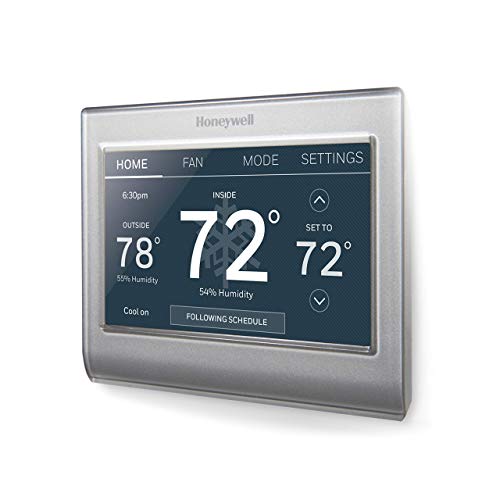
The RTH9585WF1004 is a Wi‑Fi color thermostat with 7‑day programming, designed for flexible scheduling and remote control. It emphasizes energy savings, with potential rebates and demand-response programs via certain utilities. Best for owners seeking a modern, connected thermostat with energy‑savvy features. It is not required to upgrade other equipment, but Wi‑Fi connectivity and smart features are central to its value proposition. Ensure your home network supports the device and that your utility offers compatible programs.
Honeywell Home RTH7600D 7‑Day Programmable

The RTH7600D offers a 7‑day program with four daily periods and a large touchscreen for easy setup. It suits homes that want a simple, reliable programmable thermostat without smart features. Best for users prioritizing straightforward operation and quick weekly adjustments. A potential limitation is the lack of remote access or app control, which newer models provide.
Suuwer 5‑1‑1 Day Programmable Thermostat

The Suuwer 5‑1‑1 model is a budget‑friendly option for heat pump systems up to 2H/1C with separate programs for weekdays and weekends and four daily periods. Best for buyers who want solid, basic programming without the bells and whistles. Caution: installation and wiring should be reviewed carefully to avoid compatibility issues, particularly for complex or high‑voltage setups.
Buying Guide: Key Considerations For Heat Pump Thermostats
What kind of heat pump system do you have?
Some thermostats support only specific configurations (e.g., 2H/1C with auxiliary heat). Check the product’s compatibility notes to ensure it matches your system’s stages and emergency heat capabilities.
Do you want Wi‑Fi or smart features?
Wi‑Fi thermostats enable remote control, energy reports, and participation in demand-response programs. If you value remote access and energy rebates, prioritize models like the RTH9585WF1004. If you prefer a simple, local control, non‑smart units may suffice.
How detailed should the programming be?
7‑day scheduling with 4 periods per day provides granular control. 5/1/1 programming is common for workweek/daytime variations. Consider how often your schedule changes and whether you need separate weekend programs.
Display and usability
A large touchscreen or clear font helps daily use, especially for guests or family members who rarely interact with the thermostat. Color displays or backlighting can improve readability in dim rooms.
Installation considerations
Review wiring requirements, power type (low‑voltage), and compatibility with your HVAC equipment. Some units require professional installation if you are replacing older, non‑standard thermostats.
Energy savings and rebates
Many Wi‑Fi models offer energy insights and potential rebates from utility programs. If rebates are important, verify program availability in your area and how the thermostat participates in demand response.
Reliability and support
Choose brands with clear documentation and customer support. Read installation guides to confirm compatibility with your current wiring and equipment before purchasing.
FAQ
- Do all heat pump thermostats require Wi‑Fi? No. Many models offer reliable manual programming and local control without network connectivity.
- Is a color touchscreen better than a simple display? A larger, easier‑to‑read display improves usability, but it does not affect core functionality. Choose based on ease of use for you and other household members.
- Can I install a new thermostat myself? Many models support DIY installation, especially standard low‑voltage units. Verify wiring diagrams and ensure power is off before starting. If unsure, seek professional help.
- Will a smart thermostat save more energy than a programmable one? Smart thermostats can adapt to your routines and offer energy reports, potentially increasing savings, but actual savings depend on usage patterns and climate.
- Are there compatibility issues with older systems? Yes. Some units do not support certain wiring configurations or auxiliary heat setups. Always confirm compatibility with your equipment before purchase.
- Do energy rebates apply to all Wi‑Fi thermostats? Rebates depend on your utility provider and local programs. Check eligibility before buying.