Best 5 GPM Tankless Water Heaters for Home Use
Looking for reliable flow rates around 5 gallons per minute? This guide highlights five tankless water heaters that excel at delivering ample hot water for multiple fixtures. Each unit prioritizes energy efficiency, quick hot-water delivery, and durable construction for American homes. Explore options that support several outlets at once, with features like WiFi control, outdoor installation, and precise temperature regulation.
| Product | Brand | GPM Rating[/approx] | Installation Type | Key Feature |
|---|---|---|---|---|
| APUS 190,000 BTU Outdoor Tankless | APUS | 8.1 GPM | Outdoor | WiFi & Remote Control |
| Rinnai V53DeN Natural Gas | Rinnai | 5.3 GPM | Outdoor | Endless hot water |
| CAMPLUX WA686M | CAMPLUX ENJOY OUTDOOR LIFE | 6.86 GPM | Outdoor | Weather-resistant, precise control |
| CAMPLUX WA528 | CAMPLUX ENJOY OUTDOOR LIFE | 5.28 GPM | Outdoor | CSA certified, 95–167°F control |
| FOGATTI 120,000 BTU | FOGATTI | 5.1 GPM | Outdoor | Efficient, compact |
APUS 190,000 BTU Outdoor Tankless Water Heater

Overview: This outdoor propane tankless unit delivers 190,000 BTU and 8.1 GPM, designed for whole-house on-demand hot water. It supports up to three showers and two faucets simultaneously. A low minimum flow of 0.79 GPM keeps performance steady under weak water pressure. Smart temperature control allows remote adjustments via app or wired controller (95°F–149°F) with ±1°F accuracy. Its compact outdoor footprint (22.48 x 15.51 x 6.54 inches) connects to 120V AC power and standard ¾” connections for water and gas.
What to consider: Large flow capacity can handle multiple uses, but check outdoor suitability for your climate and local venting requirements. The WiFi control adds convenience but verify compatibility with your home network and app updates. Ensure clear outdoor clearance and proper venting as per local codes.
Rinnai V53DeN Natural Gas Tankless Water Heater
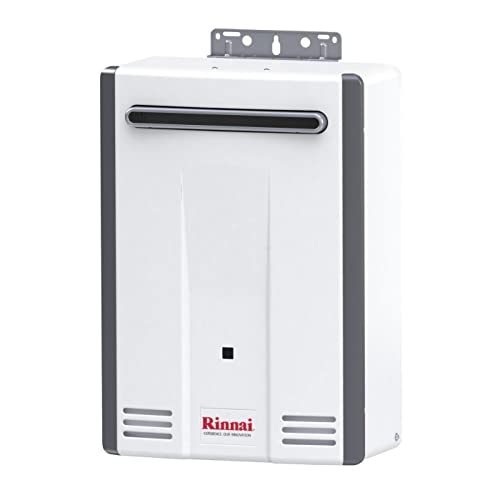
Overview: The Rinnai V53DeN provides 5.3 GPM of hot water, suitable for up to four appliances. Its tankless design heats water only as needed, promoting energy efficiency and potential utility savings. A 10-year warranty on the heat exchanger supports long-term durability. This model emphasizes consistent hot water delivery with reliable performance, reducing the likelihood of cold showers during peak usage.
What to consider: Outdoor installation requires proper clearance and protection from extreme weather. While efficiency is strong, running costs depend on propane prices and your household hot-water demand. A long-term warranty on the heat exchanger is a favorable indicator of build quality.
Orbek 14kW Electric Tankless Water Heater

Overview: This 14kW electric model provides up to 3.38 GPM for 2-3 point-of-use fixtures. It requires a 240V/60A circuit with appropriate wiring and water connections. The unit emphasizes high energy efficiency by separating water and electricity to minimize scale. It delivers hot water quickly—often within seconds—and can reduce electricity costs compared to traditional tank systems when properly installed.
What to consider: Electrical service readiness is critical; verify panel capacity and wiring with a licensed electrician. Electric units typically have higher starting electrical requirements than gas-fired units and may necessitate dedicated circuits. Water flow and temperature rise should be matched to your home’s needs.
WINTEMP 36kW Electric Tankless Water Heater
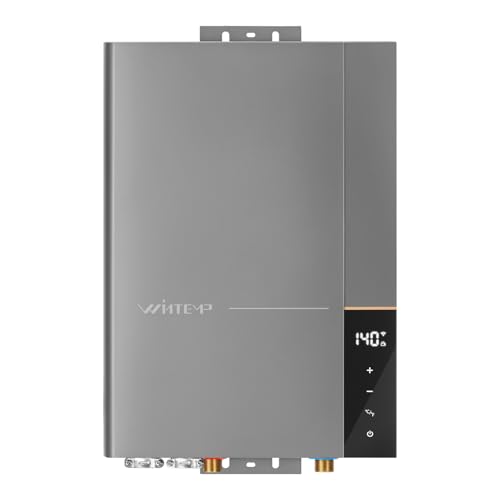
Overview: This 36kW electric unit delivers up to 8.7 GPM, suitable for whole-house use with multiple points of demand. It requires substantial electrical capacity (4 x 40A DP breakers and 4 x 8 AWG cables) and an adequate service, ideally 300A housing capacity. A digital LED display shows temperature, and the system features self-regulating power to optimize efficiency and prevent temperature swings. It also supports WiFi control in some configurations.
What to consider: High electrical demand means you must confirm panel capacity and wiring before purchase. The unit’s advanced self-regulation helps conserve energy, but compatibility with your home electrical system is essential to avoid overloading circuits.
FOGATTI Propane Gas Tankless Water Heater Outdoor

Overview: The FOGATTI Instagas Comfort 120S series offers 120,000 BTU and 5.1 GPM, supporting 2-4 outlets simultaneously. Its compact outdoor design emphasizes energy efficiency and value, delivering reliable hot water with a focus on low operating costs. Temperature stability is enhanced via a four-stage combustion system and sensors to maintain comfort during seasonal changes.
What to consider: While compact, ensure the unit’s venting and clearance complies with local building codes. Propane supply and outdoor durability should be matched to climate and usage patterns. Temperature regulation is precise, but verify that the system meets your home’s peak demand.
Buying Guide: Key Purchase Considerations
Flow rate and efficiency: For homes with multiple simultaneous hot-water demands, prioritize models in the 5–8 GPM range. Gas-fired units generally offer higher GPM at lower electrical reliance, while electric models may require substantial electrical service upgrades.
Installation and location: Outdoor units save indoor space but need weather protection and proper venting. Indoor or point-of-use units can reduce ducting and piping runs but may limit total flow. Ensure clearances, venting requirements, and access for service are feasible in your home.
Energy efficiency and incentives: Tankless water heaters heat on demand, which saves energy compared to tanks. Look for energy-efficiency ratings, warranties, and local rebates. A longer heat-exchanger warranty is a favorable indicator of durability.
Controls and integration: Some units offer WiFi or remote control for temperature management and monitoring. Confirm compatibility with your home network, app reliability, and any required hubs or subscriptions. Consider how precise temperature control affects comfort and hot-water consistency.
Electrical and gas considerations: Gas units require adequate gas supply and venting; electric units require appropriate electrical service, breakers, and wire gauge. Consult licensed professionals to assess feasibility, safety, and code compliance for your installation.
Maintenance and service: Look for units with accessible replacement parts, clear service manuals, and a reputable warranty. Outdoor models may require seasonal maintenance for weather exposure and mineral buildup from hard water regions.
Consumer alignment: Compare total cost of ownership, including installation, fuel source, and potential utility savings. Factor in climate, household size, and typical hot-water usage patterns to select a unit with the right balance of capacity, efficiency, and price.