Best Pressure Tank Water Well for Reliable Home Water Supply
Finding the right pressure tank for a well system is essential for steady water pressure and pump longevity. This guide highlights five top options that balance capacity, durability, and ease of installation. Ideal buyers include homeowners needing residential backup storage, small farms seeking steady irrigation, and schools relying on consistent water supply. The table below compares key specs to help you decide at a glance.
Selected Products Overview
| Product | Capacity | Material | Pre-Charge | Best For |
|---|---|---|---|---|
| VEVOR 34-Gallon Vertical Well Tank | 34 gal | Carbon Steel | 2.5 bar | Large homes, irrigation, tough schedules |
| Amtrol WX-202 Well Pressure Tank | 20 gal | Steel Shell | Noted by design | Compact, reliable residential use |
| WaterWorker HT-30B Vertical Tank | 30 gal | Butyl diaphragm | Noted by design | NSF-listed, clean water supply |
| Red Lion RL34A 34-Gallon Tank | 34 gal | Steel with stainless connections | 20 PSI pre-charge | Durable, widespread replacement |
| Amtrol WX-203 Well-X-Trol | approx. 20 gal | Steel Shell | Noted by design | Heavy-duty performance |
VEVOR 34-Gallon Vertical Well Tank
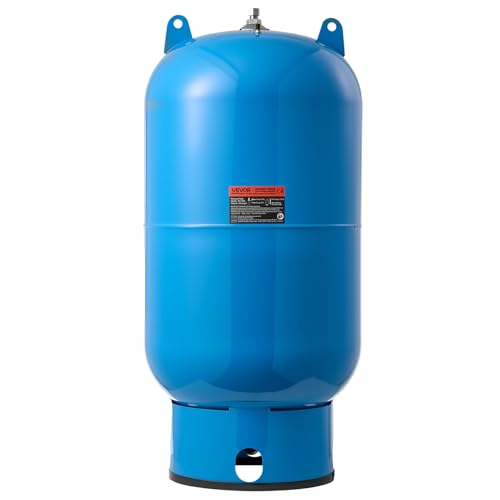
Best for: Homes with high daily water use and irrigation needs. This tank stores ample water to minimize pump cycling and stabilize pressure. The 34-gallon capacity supports multi-room households and moderate irrigation. It uses a 1-inch NPT connection for secure piping. The steel body provides durability for long-term use. Limitation: Not suitable for drinking water; frost-prone environments require protection or indoor placement.
Amtrol WX-202 Well Pressure Tank
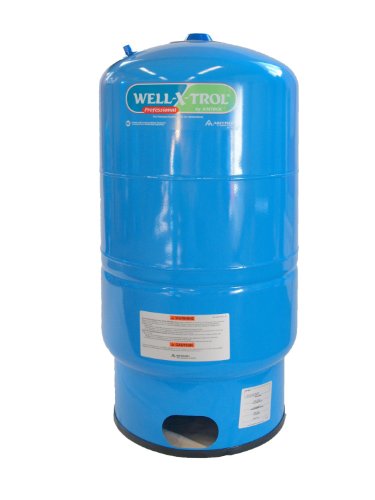
Best for: Small to mid-size homes needing a compact, reliable tank with a strong inner liner. The high-strength steel shell and virgin polypropylene liner resist cracking and wear, while the diaphragm design adds durability. Choose this if you want a sturdy, long-lasting option with fewer components to maintain. Caution: Fits standard 1″ connections; verify switch settings and compatibility with existing plumbing.
WaterWorker HT-30B Vertical Pressure Well Tank

Best for: NSF-listed drinking water systems and users who prioritize water purity. The Butyl diaphragm is designed to flex rather than crease, and the polypropylene liner helps prevent water from tasting or smelling off. It’s a solid choice for homes where water quality matters. Limitation: 30-gallon capacity may be smaller for larger households or irrigation-heavy setups.
Red Lion RL34A 34-Gallon Tank

Best for: Users who want an all-around robust vertical tank with corrosion-resistant hardware. The 34-gallon capacity and 304 stainless steel connections stand up to frequent cycling and demanding home use. It’s a strong option when reliability matters, especially in areas with variable water pressure. Caution: Ensure proper pre-charge and setting adjustments before initial operation to avoid pressure issues.
Amtrol WX-203 Well-X-Trol Stand Tank

Best for: Homes needing a robust stand-alone well tank with durable steel construction. The WX-203 model emphasizes a strong shell and a polypropylene liner to withstand aggressive water while maintaining long-term integrity. Choose this if durability and compatibility with heavier duty systems are priorities. Limitation: Some installations may require additional hardware for secure mounting and connection.
Buying Guide: Key Purchase Considerations
- Capacity vs. household needs: Larger homes or properties with irrigation benefit from 30–34 gallon tanks, while smaller households can function well with 20 gallon models.
- Material and diaphragm design: Steel shells with durable diaphragms last longer in tough water conditions; butyl diaphragms resist flexing and provide reliable pressure.
- Pre-charge and pressure range: Ensure the tank’s pre-charge matches your pressure switch settings. Improper pre-charge can cause short cycling or inadequate pressure.
- Water quality considerations: Some tanks include liners designed to minimize taste and odor transfer; NSF/ANSI certifications indicate compliance for drinking water in some models.
- Installation and compatibility: Check thread sizes (commonly 1 inch NPT) and ensure connections fit your existing well pump system and fittings.
- Durability and warranties: Steel tanks with corrosion-resistant connections tend to perform well in harsh environments, especially for outdoor installations.
FAQ
- What is a pressure tank’s main purpose in a well system?
It stores water and helps maintain consistent pressure, reducing pump cycling and extending pump life.
- How do I choose the right capacity?
Consider daily water use, number of fixtures, and irrigation needs. Larger homes or farms often benefit from 30–34 gallon tanks.
- What does “pre-charged” mean?
Pre-charge is the air pressure set inside the tank before installation, typically matching the cut-in pressure of your switch.
- Are these tanks suitable for drinking water?
Not all models are rated for drinking water. Check NSF/ANSI certifications and liners if drinking water safety is a concern.
- Can I install a pressure tank myself?
Yes, many models are designed for simple wiring and piping, but verify local codes and consider professional installation for complex systems.
- What maintenance is required?
Periodically check air charge, inspect connections for leaks, and confirm the diaphragm and liner integrity during service checks.