Best Portable Drinking Water Poly Pipe Solutions for Home and Farm
Answer: For reliable potable water delivery, choose poly pipe options designed for drinking water, high-pressure tolerance, and durable HDPE construction. This guide highlights five top options and explains who each is best for. Whether you’re a homeowner, irrigation professional, or DIY plumber, these picks cover residential, commercial, and agricultural needs with clear trade-offs.
| Product | Best For | Why It Stands Out |
|---|---|---|
| Cresline Polyethylene Pipe 1-1/4″ x 100′ x 160 PSI (Drinking Water) | High-Pressure Potable Water Runs | NSF potable rating; corrosion-resistant HDPE; strong 160 psi capacity. |
| Cresline Polyethylene Pipe 1″ x 100′ x 100 PSI (Drinking Water) | Residential Water Lines | Listed as potable water option; US-made option with reliable performance. |
| EFIELD 2 Rolls x 100 ft 3/4″ Pex-B & Fittings Bundle | Low-Volume Home Plumbing | Complete tubing and fittings bundle for flexible potable plumbing. |
| EFIELD 1/2″ Pex-A Pipe & Expansion Fittings | Compact Repairs & Extensions | Flexible Pex-A tubing with expansion fittings for easy connections. |
| Watts AMA34 ANKA Series 3/4″ x 3/4″ Fittings | High-Pressure Poly Connections | Durable, leak-free insert design for various pipe types, including potable uses. |
The following sections dive into each product’s details, who should buy them, and practical considerations to help you compare quickly and confidently.
Cresline Polyethylene Pipe 1-1/4″ x 100’ 160 PSI For Drinking Water

Features: Safe for drinking water; durable HDPE construction; high pressure rating up to 160 psi. This pipe is designed specifically for potable water applications in residential or commercial settings.
Best for: Homeowners and small commercial installers who need a reliable, high-pressure potable water pipe. It’s well suited for mainline runs and well-to-house connections where NSF-compliant water delivery is essential.
Why selected: It combines potable-safety certification with corrosion resistance and a robust pressure rating, offering long-term performance in irrigation and water delivery systems.
One caution: Ensure correct sizing and fittings for your local codes; verify compatibility with your existing poly pipe system before installation.
Cresline Polyethylene Pipe 1″ x 100′ 80 Psi Not For Potable Water

Features: Made in the United States. Note: This pipe is not certified for potable water use.
Best for: Non-potable irrigation or drainage scenarios where drinking-water safety is not required.
Why selected: It provides a cost-effective option for irrigation and liquid transport in contexts where potable safety is not a concern.
One caution: Do not use for drinking water or any potable applications to avoid health risks.
Cresline Polyethylene Pipe 1″ x 100′ 100 Psi For Drinking Water
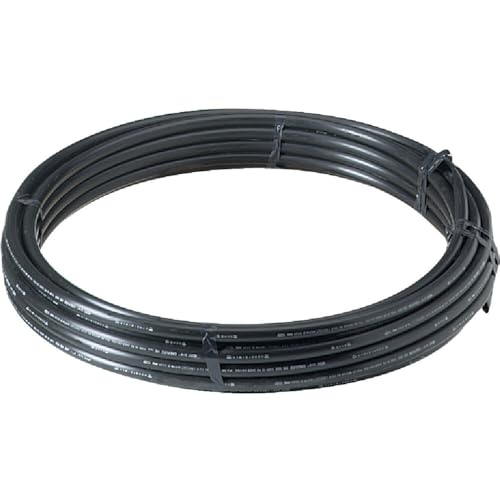
Features: Made in the United States; designed for potable water use with a 100 psi rating. Suitable for residential water lines and small commercial projects.
Best for: Gentle-pressure potable water runs and upgrades where 100 psi capacity matches system needs.
Why selected: A straightforward potable option for standard residential installs with reliable supply compatibility.
One caution: Check local code requirements for pipe diameter in your run to ensure adequate flow and pressure.
EFIELD 2 Rolls x 100 ft 3/4-Inch Pex-B Pipe/Tubing Bundle

Features: 3/4″ blue and red Pex-B tubing; 100 ft x 2 rolls; 30 pieces certified PPSU barb crimp fittings; includes a pipe cutter. Suitable for potable water applications with hot/cold capability.
Best for: Small-to-medium residential or light commercial plumbing projects needing flexible PEX for hot and cold water.
Why selected: The bundle provides a complete set of fittings and pipes, easing on-site assembly and expansion for potable systems.
One caution: Pex systems require proper expansion fittings and tools; confirm compatibility with your existing pipe materials.
EFIELD 1/2-inch Pex-A Pipe & Expansion Fittings Set

Features: 1/2″ Pex-A tubing; 300 ft blue roll; 30 expansion fittings; 100 expansion rings; included pipe cutter. Most flexible PEX tubing for potable water and plumbing applications.
Best for: Quick, flexible repairs or small network expansions in residential potable systems.
Why selected: Pex-A with expansion fittings offers a clean, tool-light installation for tight spaces.
One caution: Use the correct expansion tool and fittings; improper expansion can compromise leak protection.
EFIELD 3/4-inch Pex-A Pipe 2 x 100 ft Bundle + Fittings

Features: 3/4″ Pex-A tubing; 100 ft blue and 100 ft red; includes 15 Pex expansion fittings; 50 expansion rings; 50 J-clamps; pipe cutter. Flexible and expandable for sturdy potable-water plumbing.
Best for: Larger home projects or mid-size renovations requiring both hot and cold lines in one bundle.
Why selected: The dual-color tubing helps with line identification; expansion fittings support durable, leak-resistant connections.
One caution: Ensure you have the correct expansion tools and follow manufacturer instructions for Pex-A installations.
Buying Guide
What matters most for potable poly pipe?
- Potable water certification: Ensure the pipe is NSF-certified for drinking water to meet safety standards.
- Pressure rating: Choose PSI ratings that match or exceed your system’s maximum pressure.
- Material and durability: HDPE and PEX options offer corrosion resistance and long-term reliability in varying temperatures.
- Installation type: Decide between flexible PEX with expansion fittings or fixed HDPE/poly Pipe with threaded or compression fittings.
Should you choose HDPE poly pipe or Pex?
- HDPE Poly Pipe: Excellent for underground runs and irrigation; robust against cracking and weather exposure.
- Pex: Great for indoor plumbing and easy-to-run loops; expansion fittings reduce crimping complexity and leaks.
How to plan your run?
- Map your water source to the furthest faucet; add a margin for temperature and pressure loss.
- Check local codes for pipe size requirements and inspection steps.
- Prepare fittings and tools in advance to minimize on-site interruptions.
Common installation cautions
- Avoid mixing pipe materials with incompatible connectors unless rated for both.
- Follow manufacturer guidelines for expansion or solvent-weld connections to prevent leaks.
- When burying pipe, use proper restraints and protective sheathing to prevent damage from soil movement.
Maintenance considerations
- Inspect exposed runs for cracking or UV-related degradation; replace as needed.
- Test for leaks after installation and during seasonal pressure checks.
- Record pipe diameters and fittings to aid future repairs and expansions.
FAQ
- Are these pipes safe for drinking water?
- What is the typical PSI requirement for residential potable lines?
- Can I use PEX for outdoor weather exposure?
- Do I need expansion fittings for PEX-A?
- Is HDPE better than PEX for long underground runs?
- Do these pipes require special tools?
Yes, the selected products include models rated for potable water where indicated by certifications and intended use.
Residential potable water systems commonly use 80–160 psi depending on the height and distance from the source; choose a rating accordingly.
PEX is suitable for certain outdoor or semi-exposed runs if properly protected from direct sun and extreme temperatures; check product guidance.
Expansion fittings are often used with PEX-A to create secure, leak-resistant joints without crimp rings.
HDPE is typically favored for long underground runs due to durability and lower risk of thermal expansion issues; PEX is easier for indoor routing.
PEX systems may require expansion tools; HDPE systems use standard plastic pipe fittings and clamps as appropriate for the setup.