Best Longer-Lasting Light Bulbs for Reliable Home Lighting
When choosing longer-lasting light bulbs, look for high lumen output with extended lifespan ratings, low energy use, and suitability for your fixtures. This guide highlights five durable options to help buyers who want fewer replacements, steady brightness, and dependable performance in living rooms, bedrooms, and offices. Each product section includes who it’s best for, its strengths, and a practical limitation to consider.
| Product | Best For | Why It Stands Out |
|---|---|---|
| Sylvania ECO LED A19 | Everyday general lighting | 7-year lifespan, high 1450 lumens, energy efficient |
| evelor 6-Pack A19 (60W Eq) | Bright daylight tasks | 800 lumens, 5000K daylight, strong CRI 80+ |
| Minetom E26 Rechargeable | Backup lighting in power outages | Rechargeable battery, 2–24 hours runtime |
| MAXvolador A19 LED (100W Eq) | High brightness spaces | 1500 lumens, 25,000+ hours lifetime |
| Lepro LE LED A19 | Budget-friendly long-lasting option | 10,000 hours, 9W, 60W equivalent |
Sylvania ECO LED A19 Light Bulb, 100W Equivalent
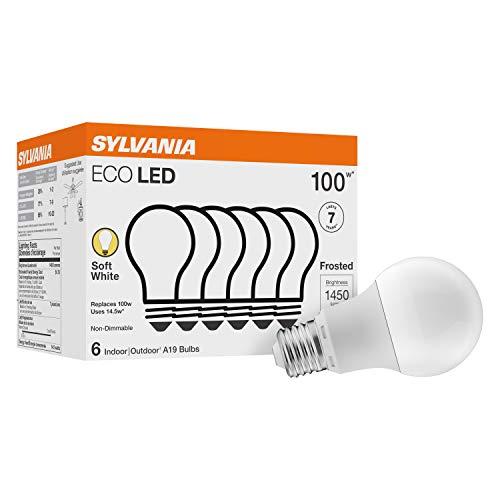
Best for: general-purpose rooms where a stable, long-lived bulb is desired. The Sylvania ECO LED A19 replaces a 100W incandescent with 14.5W, delivering 1450 lumens at 2700K for soft white light. It boasts a long 7-year lifespan and energy savings, making it ideal for frequently used lamps and overhead fixtures.
Why selected: It combines high brightness with a lengthy life while maintaining a warm color temperature suitable for living areas. The non-dimmable design supports steady illumination in hallways and kitchens.
Limitation: It is non-dimmable, so not suitable for mood lighting or dimmer-equipped fixtures.
evelor 6-Pack A19 LED Light Bulbs, 60W Equivalent

Best for: bright daylight tasks in living rooms or kitchens where crisp color perception is important. These 9W bulbs produce 800 lumens at 5000K with a high CRI (80+), ensuring colors appear true and vivid. They’re non-dimmable for a consistent light level.
Why selected: The daylight tone helps with detail-oriented activities, and the 15,000-hour lifespan reduces replacement frequency.
Limitation: Non-dimmable; not ideal if you need adjustable light levels.
Emergency Rechargeable Light Bulbs 60 Watt

Best for: rooms where power outages are a concern. This bulb contains a built-in 1200mAh battery that powers illumination during outages, activating charging automatically when connected to power.
Why selected: It provides redundancy, with 2–3 hours of full brightness and up to 24 hours at lower brightness levels when on battery mode. The wide 220° beam helps cover more space during emergencies.
Limitation: Battery longevity and recharge times can vary; it relies on battery health and charging cycles.
MAXvolador A19 LED Light Bulbs, 100W Equivalent
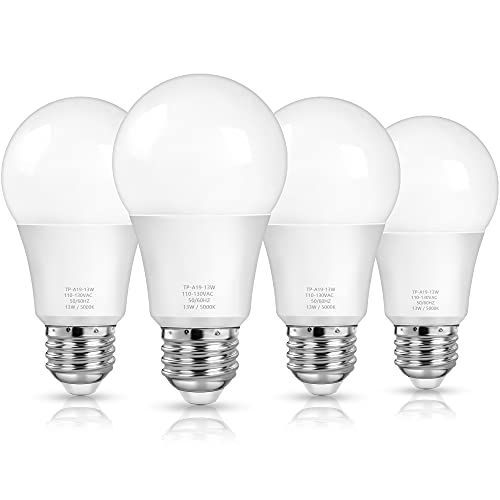
Best for: large living areas or workspaces needing strong, daylight-like brightness. These 13W bulbs deliver 1500 lumens at 5000K with a robust lifetime and non-dimmable operation.
Why selected: High brightness per watt and long life provide reliable performance for daily activities and longer intervals between replacements.
Limitation: Non-dimmable; not suited for mood lighting or fixtures requiring adjustable levels.
Le LED Light Bulbs 60W Equivalent, 9W
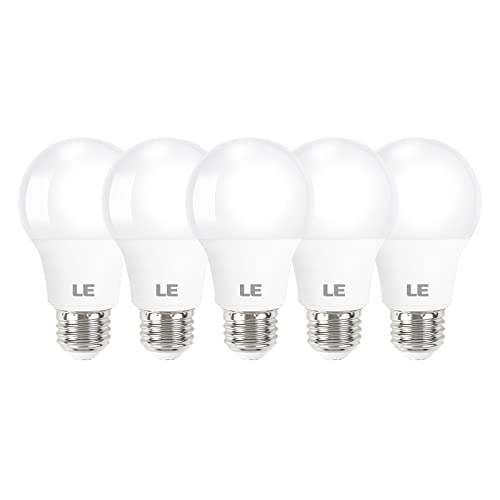
Best for: budget-conscious upgrades in common areas where long life is valued. These 9W bulbs replace 60W incandescent lighting with a 10,000-hour lifespan and standard E26 base.
Why selected: The combination of energy savings and long life makes them a practical balance for many households.
Limitation: Some users may wish for higher lumen output in very bright spaces; check if 800 lumens meets your needs.
Buying Guide: Key Purchase Considerations
- Bulb type and base: Ensure the base (E26 is most common in the U.S.) fits your fixtures and socket type.
- Brightness vs. energy use: Compare lumens (brightness) and watts (energy use) to estimate annual energy savings.
- Color temperature: Choose 2700K for warm, 2700–3000K for cozy spaces; 4000–5000K for task lighting and color accuracy.
- Lifespan expectations: Longer lifespans reduce replacements but may come at different price points; balance cost per year of use.
- Non-dimmable vs. dimmable: If you have dimmers, select compatible dimmable bulbs; otherwise, non-dimmable options keep brightness consistent.
- Special features: Rechargeable/emergency bulbs offer outage lighting; high-CRI bulbs improve color rendering in color-critical rooms.
- Warranty and replacements: Consider brands offering multi-year guarantees if available.
FAQs
- Q: Do longer-lasting bulbs really save money over time?
A: Yes, by reducing replacement frequency and lowering energy use, though initial costs may be higher. - Q: Are LED bulbs safe for enclosed fixtures?
A: Many are, but check the product specs for enclosure ratings to ensure heat is managed properly. - Q: Can I replace incandescent bulbs with LED bulbs in every fixture?
A: Most fixtures accept LED A19 bulbs with standard bases; verify brightness and dimming compatibility for each fixture. - Q: What does CRI mean and why is it important?
A: Color Rendering Index (CRI) measures how accurately colors appear under light. Higher CRI improves color perception in spaces like living rooms and studios. - Q: How long do emergency rechargeable bulbs last on battery?
A: Battery runtime varies by brightness level; typical full brightness ranges from 2–3 hours to 7–8 hours depending on mode. - Q: Should I choose daylight or soft white for general lighting?
A: Daylight (5000K) is better for task performance and color accuracy, while soft white (2700K) creates a warmer, comfortable atmosphere for relaxing spaces.