Best High Voltage Insulation Gloves for Electricians: Safe, Reliable Hand Protection
Answering the buyer’s search for durable, compliant high voltage insulation gloves, this guide highlights five top options. These gloves are ideal for professional electricians, linemen, and utility workers who handle live circuits or operate electrical equipment up to 1000V AC. Each pick emphasizes insulation, flame resistance, and a non-slip grip, tailored to different work environments and risk levels.
Quick comparison table
| Product | Voltage Range | Material Note | Best For |
|---|---|---|---|
| DongChu Insulated Electrician Gloves (1000V) | Up to 1000V | ||
| GOL-SIV Electrician Gloves (1000V) | Up to 1000V | ||
| GOL-SIV Class 2 Dielectric Gloves | Up to 21750V AC / 25kV tested | ||
| Enespro Class 0 Insulated Gloves (1000V) | Up to 1000V AC / 1500V DC | ||
| GOL-SIV 400V Insulated Gloves | Up to 400V |
Notes: Each product is selected for ASTM D120 or NFPA 70E compatibility and practical grip design. Consider the voltage you work with, the need for leather protectors, and whether waterproof features matter in your environment.
DongChu Insulated Electrician Gloves 1000V

Features include insulation for palms and fingers compliant with ASTM D120, a rubber palm for improved flame retardant properties, and an anti-slip textured palm for firm grip. Best for professionals who need certified protection for work up to 1000V and prefer a flame-resistant rubber surface. Limitation: designed primarily for electrical tasks at or below 1000V; not specified for higher voltage use.
GOL-SIV Electrician Gloves 1000V

These gloves feature insulated palms and fingers with ASTM D120 compliance and a rubberized palm that offers flame retardant properties. The textured, non-slip palm provides a secure grip for electrician tasks. Best for: electricians needing reliable 1000V protection with a strong grip in varied environments. Limitation: primarily marketed for 1000V; check fit for extended wear sessions.
GOL-SIV Electrical Insulated Gloves Class 2
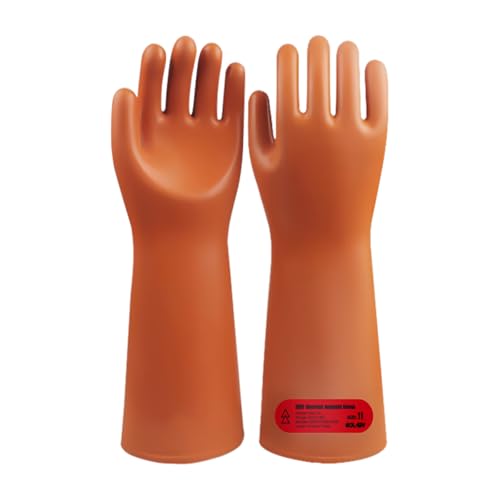
With a Class 2 rating and a voltage range up to 21750V AC (tested at 25kV), these gloves emphasize safety in higher voltage scenarios. Natural material resists wear and oils, and the waterproof design adds protection in damp conditions. Best for linemen or utility workers dealing with higher voltage or wet environments. Limitation: heavier protection may reduce dexterity for fine motor tasks.
Enespro Class 0 Insulated Gloves (1000V)
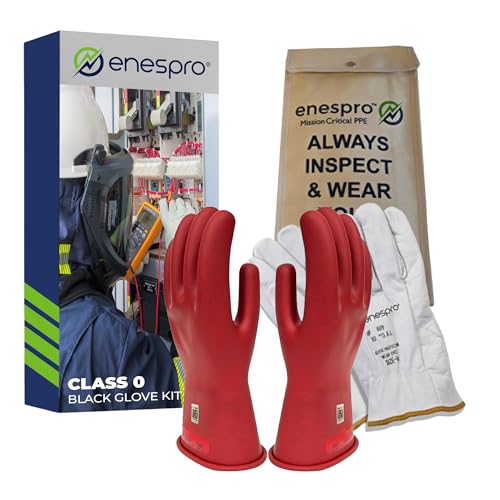
Includes a complete insulated gloves kit with 11″ gloves, leather protectors, and a bag. Rated for 1000V AC / 1500V DC and NFPA 70E-2015, this set emphasizes durability and comfort with leather protection. Best for power crews and utility workers needing a full protective kit rather than single gloves. Limitation: size and fit depend on the leather protector compatibility; ensure correct pairing.
GOL-SIV Insulated Electrician Gloves 400V

Rated for up to 400V AC and tested at 1.5kV, these gloves pair a rubberized coating with a non-slip design for better tool control. Best for routine residential or light commercial electrical work where voltage remains modest. Limitation: not suitable for high-voltage industrial work beyond 400V.
DongChu Insulated Electrician Gloves 400V

These 400V gloves provide insulation for lower-high voltage tasks with a rubber palm and anti-slip grip. Best for electricians who work on equipment under 400V in wet or challenging environments. Limitation: lower voltage rating means they should not be used for up to 1000V work.
GOL-SIV 400V Insulated Gloves (Large)
Offers a rubberized coating for insulating properties and a non-slip texture to enhance tool control. Best for those performing moderate-voltage tasks with a need for solid grip and wear resistance. Limitation: designed for 400V max; unsuitable for higher-voltage work.
Buying Guide: Key Considerations When Choosing High Voltage Insulation Gloves
- Voltage rating: Match the gloves to the maximum voltage you encounter. Higher voltage requires Class 2 or 1000V-rated gloves with appropriate leather protectors if used for extended periods.
- Material and protection: Rubber vs natural rubber, flame resistance, and waterproofing influence safety and comfort in different environments.
- Dexterity vs protection: Heavier protection can reduce grip and precision. Consider a model that balances grip with insulation for your tasks.
- Leather protectors: For higher voltage work, leather protectors extend glove life and safeguard against punctures or tears.
- Inspection and maintenance: Inspect for cracks, tears, or delamination before use. Store in a cool, dry place away from direct sunlight.
- Fit and size: Ensure the size matches your hand for maximum control and comfort during prolonged use.
Frequently Asked Questions
- What does NFPA 70E compliance mean for insulated gloves? It signals adherence to electrical safety standards for the protection of workers handling energized equipment.
- Can I use gloves rated for 1000V on 480V work? Yes, but ensure proper fit, leather protectors, and inspector guidance; higher-rated gloves can cover lower-voltage tasks safely when used correctly.
- What is the purpose of leather protectors with insulated gloves? They add cut and abrasion resistance, increasing glove longevity in rough environments.
- How should I store high voltage gloves? Keep them in a clean, dry place away from heat sources; inspect regularly and replace if damaged.
- Are waterproof gloves necessary? For damp or wet work areas, waterproof construction reduces current penetration risk and improves safety.
- Do these gloves require periodic testing? Yes, gloves should be inspected and tested per manufacturer and regulatory guidelines before use.