Best Electronic Toilet Flush Valves for Modern Restrooms
Choosing the right electronic toilet flush valve can improve hygiene, cut water waste, and simplify maintenance. This guide highlights five top options and explains who each is best for. Whether you manage a home bathroom, a commercial restroom, or a high-traffic public facility, these selections help you balance reliability, ease of installation, and long-term savings.
Summary table of selected products:
- American Standard Flush Valve 6065121.002 Ultima Selectronic Touchless
- I-CON MOMENTUM Electronic Retrofit Flush Valve
- Sloan G2 EBV-129-A-U Urinal Electronic Control Module
- TECHO Touchless Toilet Flush Kit
- Zurn ZERK-CPM AquaSense E-Z Flush Retrofit Kit
American Standard Ultima Selectronic Touchless Flush Valve

Best for high-traffic commercial bathrooms that demand quick, reliable touchless flushing. This piston-type valve uses a 5-year CR-P2 lithium battery and supports 1.6 GPF. Its touchless design helps reduce germ spread and maintenance interruptions in busy restrooms.
Who it’s for: facilities needing durable, long-lasting touchless control with straightforward battery replacement. Why chosen: strong reputation for reliability and easy, low-maintenance operation.
Caution: Battery replacement is required periodically; ensure battery access is convenient for maintenance staff.
I-CON MOMENTUM Electronic Retrofit Flush Valve

Best for upgrading existing systems without a full valve replacement. The 24VAC solenoid and 90° swivel brass elbow enable flexible installation. It flushes 1.6 gallons on larger fixtures and 0.9 gallons on smaller ones, with no metering diaphragms that can clog.
Who it’s for: owners upgrading legacy valve systems seeking a robust, retrofit solution. Why chosen: avoids common diaphragm failures and offers reliable automatic flush control.
Caution: Verify compatibility with your current fixture to prevent installation challenges or non-functional sensors.
Sloan G2 EBV-129-A-U Urinal Electronic Control Module

Best for commercial urinals requiring precise, sensor-driven flushing. This module powers Sloan Optima G2 and ECOS sensor systems with 0.5 or 1.0 GPF options and uses standard batteries. It reduces phantom flushes and improves hygiene.
Who it’s for: facilities with Sloan-based plumbing that need dependable sensor control. Why chosen: targeted compatibility and a strong focus on reliable sensor performance.
Caution: Compatibility checks are essential to ensure the module matches your Sloan system model and fixture type.
TECHO Touchless Toilet Flush Kit

Best for DIY upgrades where a quick, corrosion-resistant conversion is needed. The kit converts a standard toilet to hands-free flushing in about 10 minutes and offers adjustable sensor range and water savings. It has IP67 water resistance for durability.
Who it’s for: homeowners or small facilities seeking a fast, affordable upgrade with water-saving potential. Why chosen: simple install, adjustable sensor, and durable waterproofing support reliable long-term use.
Caution: Installation requires access to the toilet’s plumbing and electrical hardware; read instructions to avoid incompatible configurations.
Zurn ZERK-CPM AquaSense E-Z Flush Retrofit Kit
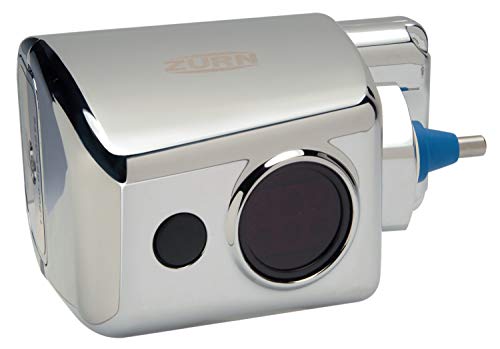
Best for upgrading manual valves with touchless sensor technology in minutes. The kit improves hygiene by eliminating touch points and is designed for straightforward installation with years of service life in mind.
Who it’s for: facilities wanting a retrofit that minimizes contact and streamlines maintenance. Why chosen: strong emphasis on hygiene, simple retrofitting, and dependable performance.
Caution: Ensure compatibility with your current valve style and mounting arrangement to guarantee a proper fit.
Buying Guide
Key considerations help choose the right electronic flush valve for your space and usage patterns.
- Flush type and compatibility: Ensure the valve matches your fixture (toilet or urinal) and mounting configuration (piston-type, sensor module, or retrofit kit).
- Sensor technology: Infrared or capacitive sensors influence reliability, lag time, and hygiene. Consider vandal resistance and range settings for your restrooms.
- Water efficiency: Look for models offering 1.28–1.6 GPF options. Some retrofit kits adjust to existing flushing requirements to maximize savings.
- Power source: Battery-powered units simplify installation but require battery management. Wired options remove battery dependence but may need electrical work.
- Maintenance and durability: Consider corrosion-resistant materials and ease of part replacement. Self-cleaning pistons and anti-clog designs reduce downtime.
- Installation ease: Retrofit kits are convenient for upgrades; full valve replacements may require professional plumbing work.
FAQ
- What is an electronic flush valve?
An electronic flush valve uses sensors and a controlled mechanism to activate flushing automatically, improving hygiene and reducing water waste.
- Are retrofit kits compatible with most toilets or urinals?
Retrofit kits are designed to fit many common systems, but always verify mounting, water supply, and sensor compatibility with your specific fixture.
- Do these valves require electricity or batteries?
Most models use batteries for flush control, while some retrofit kits may be powered by standard electrical connections.
- Which valve is best for high-traffic commercial restrooms?
Units with durable construction, reliable sensors, and long-lasting batteries—like the Ultima Selectronic touchless option—are well-suited for busy facilities.
- Can these valves reduce water consumption?
Yes. Many options operate at 1.28–1.6 GPF, and sensor timing can be adjusted to prevent phantom flushes and over-flushing.
- What maintenance is typically required?
Regular battery checks or power supply verification, sensor cleaning, and occasional valve component inspection help maintain performance.