Best Heat Cable With Thermostat for Pipes and Greenhouses
If you’re seeking reliable freeze protection, a heat cable with a thermostat is the smart choice. This article highlights five top options, clarifying who each product is best for and why. Use these details to compare simplicity, safety, and energy efficiency for homes, garages, greenhouses, and outdoor setups. The buyer-friendly guide at the end covers key considerations to help you choose confidently.
| Product | Brand | Best For |
|---|---|---|
| Cupohus Heat Tape for Water Pipes with Thermostat | Cupohus | Routinely freezing outdoor pipes and RV plumbing |
| HEATIT 30ft Self-Regulating Pipe Heating Cable | HEATIT | Long runs and high-safety requirements for water pipes |
| Frost King HC3A Automatic Electric Heat Kit | Frost King | Budget-friendly, quick setup for basic pipe protection |
| ThermaCord 120v Heat Cable Controller | Radiant Solutions Company | Easy integration with various heat cables |
| MAXKOSKO Temperature Controlled Extension Cord | MAXKOSKO | Outdoor outlets and simple on/off control |
Cupohus Heat Tape With Thermostat

Best for: homes and RVs needing reliable freeze protection for water hoses and pipes. This self-regulating heat tape heats the entire length of the hose to keep water flowing at extremely low temperatures. It activates when the water dips below 41°F (5°C) and stops near 59°F (15°C), saving energy. The external GFCI outlet plus fully wrapped wiring reduce overheating risks and water seepage, enhancing safety in damp environments.
Why chosen: It combines automatic temperature control with a clear safety setup, making it ideal for users who want straightforward protection with built-in safety features. Best used on metal or plastic pipes and hoses in winter conditions.
Caution: Ensure proper grounding and that the GFCI outlet is accessible; do not rely on the heat tape alone in extreme wet conditions without proper enclosure.
KIBOVAMO Industrial Grade Heat Cable Controller
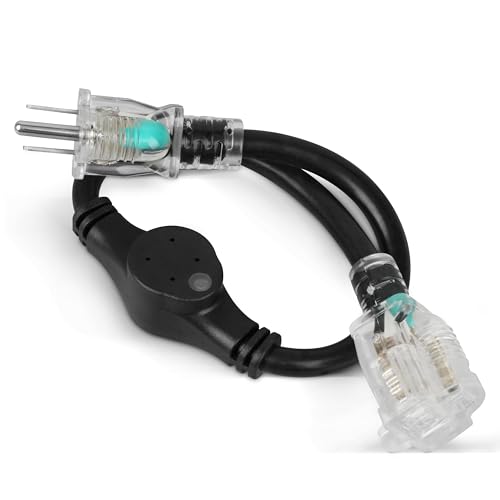
Best for: outdoor setups requiring robust, auto-energy-saving control. This controller activates at 37°F and deactivates at 50°F, works with 120V power, and supports 14 AWG wiring. It’s designed to handle heat cables and tapes from various brands, making it a flexible option for complex installations where multiple cold-weather devices run off a single outlet.
Why chosen: The auto-on/auto-off feature aligns well with energy-conscious users who want consistent protection without manual adjustments. Strong durability for outdoor conditions makes it suitable for longer cable runs.
Caution: Check compatibility with your existing heat cable; the unit itself does not heat, but it controls other devices that do.
HEATIT 30ft Self-Regulating Pipe Heating Cable

Best for: long runs and diverse piping materials that need dependable freeze protection. This ETL-listed cable provides energy-efficient heating with a 3 W/ft rating and includes a 2 ft power cord. It protects water flow down to -40°F (-40°C) and supports metal and plastic pipes, helping to prevent costly burst pipes during severe cold snaps.
Why chosen: Full-cable certification (ETL) ensures a higher safety standard, and the option to choose 3 ft to 160 ft lengths makes it adaptable to various project sizes. The self-regulating design reduces energy use when temperature is adequate.
Caution: Ensure the entire length (not just the plug) is certified for your safety; follow installation guidelines for your pipe material to maximize protection.
Frost King HC3A Automatic Electric Heat Kit

Best for: budget-conscious buyers needing quick, simple pipe protection. The 3 feet length and 7W/ft rating keep water flowing in metal and plastic pipes down to -40°F. It’s straightforward to install and provides reliable baseline protection for smaller piping runs or limited outdoor areas.
Why chosen: A practical entry-level option that balances cost with essential protection. It’s suitable for seasonal use in areas with predictable, moderate cold exposure.
Caution: This kit is best for shorter runs; longer applications may require additional segments or a different configuration to maintain continuous protection.
ThermaCord 120v Heat Cable Controller
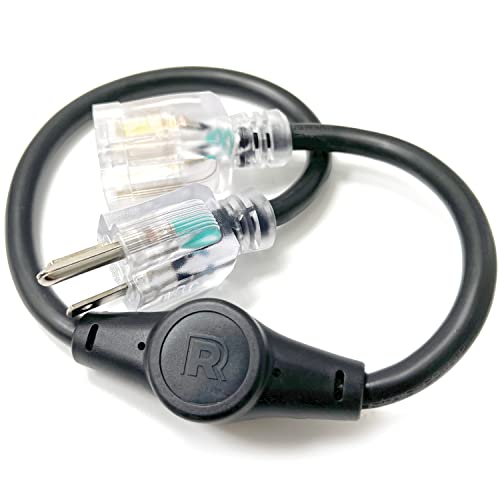
Best for: outdoor outlets and universal compatibility. The ThermaCord controller is UL-certified and designed to turn heat cables on at 37°F and off at 50°F, using 14 AWG wire with a 16” length. It fits alongside many heat cable brands, providing a universal, easy-to-use control solution for varied installations.
Why chosen: UL certification and compatibility with multiple cables make it a versatile choice for mixed setups, such as combined outdoor heaters, pipe heat tapes, and other low-temperature devices.
Caution: Do not rely on a single device for complex systems; ensure your total amperage remains within the controller’s limits and that electrical safety practices are followed.
MAXKOSKO Temperature Controlled Extension Cord

Best for: outdoor outlets needing a compact, plug-and-play thermal switch. This 20-inch thermostat-enabled extension cord turns heaters on below 37°F and off above 50°F, enabling easy control for small pipe heaters, heat lamps, or other outdoor devices without heavy wiring.
Why chosen: The slim design minimizes obstruction around weatherproof covers, making it suitable for cluttered outdoor outlets or tight spaces where a larger controller wouldn’t fit.
Caution: Not a primary heat cable solution—use in combination with a dedicated heat cable if you require pipe protection across longer runs.
Buying Guide: How To Choose A Heat Cable With Thermostat
What to consider: Pipe material compatibility, length of coverage, and safety certifications. Self-regulating cables adapt to temperature, reducing energy use, but verify the entire assembly is certified (not just the plug). For outdoor use, choose devices with UL or ETL listings and GFCI-protected outlets where possible.
Which features matter: Automatic on/off temperature ranges (commonly around 37°F to 50°F or similar), compatibility with 120V outlets, and the length options that fit your project. A durable exterior and moisture protection improve longevity outdoors or in damp locations.
Installation tips: Plan cable routing to avoid sharp bends and ensure the entire length remains exposed to ambient conditions when necessary. Use proper fasteners or clips to keep cables away from heat sources or flammable materials. For long runs, verify power supply capacity and consider a controller designed for outdoor use to manage energy consumption.
Best practices: Use GFCI outlets near wet areas, test function regularly, and implement a dedicated circuit if possible for peak safety.
FAQ
Q: Do I need a thermostat with a heat cable for pipes?
A: A thermostat helps automate heating, saving energy and reducing the risk of overheating. It’s particularly useful for outdoor or seasonal setups where temperatures fluctuate.
Q: Can I use any heat cable with any thermostat?
A: Many controllers are designed to be universal, but always check compatibility with your specific heat cable model and connector type.
Q: What safety certifications should I look for?
A: Look for ETL or UL listings for the entire heating system, including the cable and plug, not just the controller.
Q: Is self-regulating cable safer for outdoor use?
A: Yes. Self-regulating cables adjust heat output based on temperature, which can reduce energy use and lower overheating risk in variably cold environments.
Q: How long should a heat cable be installed?
A: Install the length needed to cover exposed pipes or hoses fully. Avoid unnecessary extra cable coiling, which can trap heat and complicate control.