Best Extra Long Battery Cables for Safe, Easy Jump Starts
When you need to jump-start a dead or weak battery, longer cables can mean safer, easier connections without moving vehicles. This guide focuses on extra long jumper cables suitable for cars, SUVs, and trucks. The top picks are ranked for clear buying decisions, with notes on who each cable works best for and practical limitations. Ideal buyers include roadside assistance prepper, family car owners, and anyone who regularly handles jump-starts in tight spaces.
The table below compares five strong options to help you choose quickly. Criteria include length, gauge, protection features, and portability. All products in this guide are designed to handle typical automotive needs while maintaining safety and durability.
| Product | ||||
|---|---|---|---|---|
| TOPDC 4 Gauge 25 Feet (TD-P0425) | 25 ft | 4 gauge | Long reach with UL-listed quality | Larger vehicles, frequent emergency jumps |
| TOPDC 4 Gauge 20 Feet (TD-P0420) | 20 ft | 4 gauge | Strong clamps, flexible insulation | Everyday use, compact car reach |
| Energizer 16 Feet (6-Gauge) | 16 ft | 6 gauge | Thick vinyl coating, carrying bag included | Compact to mid-size cars, easy storage |
| AutoChat 30 Feet (0 Gauge) | 30 ft | 0 gauge | High current capability, protective features | Heavy-duty, trucks and diesel engines |
| GOODYEAR 16 Feet (4 Gauge) | 16 ft | 4 gauge | Reliable, extended reach for roadside use | Emergency roadside kit, general use |
TOPDC 4 Gauge 20 Feet Jumper Cables TD-P0420

The TOPDC TD-P0420 features four large clamps with jagged teeth and reinforced construction for a secure grip on both top-post and side-terminal batteries. The 20-foot length provides ample reach for most cars and SUVs, allowing you to connect without moving vehicles excessively. The cable uses copper-clad aluminum (CCA) for conductor flexibility in extreme temperatures, supporting reliable performance in cold conditions. The premium PVC insulation resists rust, cracking, and tangling, enhancing durability in storage and use.
Best for: drivers who want a solidly built, mid-length option with strong clamps and flexible insulation for everyday jump-starts. Choose this if you often park in tight spots but still need a reliable 20-foot reach. Caution: while durable, CCA conductors are not the same as pure copper in maximum conductivity, so expect standard performance for everyday use.
TOPDC 4 Gauge 25 Feet Jumper Cables TD-P0425

The 25-foot version extends reach for trucks or vehicles parked slightly apart, reducing the need to reposition. It uses the same four-clip design with reinforced jaws and strong grip, plus insulating material to protect against shocks and corrosion. The longer length makes it a practical option for roadside assistance kits or garages with limited space between vehicles. UL-listed quality adds an extra layer of confidence in safety and performance.
Best for: those who need extra length for larger vehicles or awkward jump sites. Better for: long driveways or busy garages where space between vehicles is limited. Caution: longer cables are heavier; ensure you can manage the extra weight during setup and storage.
Energizer 16 Feet Jump Cables
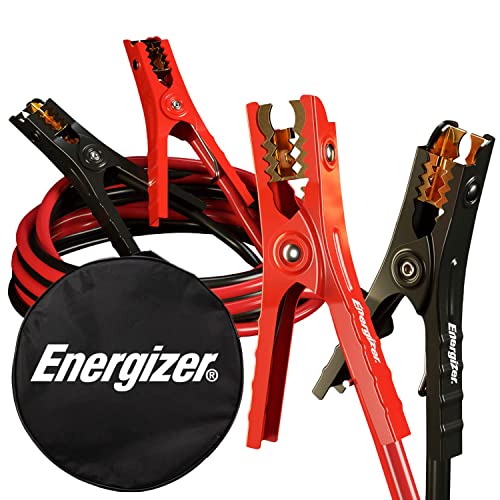
These Energizer cables come in 16 feet with a 6-gauge conductor, balancing length with thicker wires for better current transfer. A thick vinyl coating protects against rust and corrosion, and a carrying bag is included for easy transport. The combination of robust insulation and a sturdy handle helps maintain safe placement during jump starts.
Best for: owners of mid-size vehicles who want a compact, easy-to-store option with solid current capability. Avoid this if you frequently need longer reach or higher amperage for diesel trucks, where heavier gauge cables may be preferred.
AutoChat Heavy Duty 30 Feet (0 Gauge)

AutoChat offers a 30-foot jumper cable with 0-gauge conductors, designed to handle up to 1000 amps and suitable for large engines, diesel applications, and extended-jump needs. The cables feature four strong clamps with serrated teeth and protective insulation to reduce shock risk. They are engineered to perform in extreme temperatures and are described as tangle-free after testing across varied environments.
Best for: professionals or serious hobbyists needing maximum reach and high current capacity. Choose this if you regularly jump-start large engines or vehicles parked far apart. Limitation: thicker cables add weight and may be harder to coil without a proper storage solution.
GOODYEAR 16 Feet 4 Gauge Jumper Cables

Goodyear’s 16-foot, 4-gauge cables provide a dependable option with an emphasis on extended reach and weather resilience. The insulation is designed to stay flexible in extreme temperatures, making these a staple part of a roadside emergency kit. The 4-gauge conductor supports adequate current transfer for a quick start in most typical vehicles.
Best for: general roadside use and family emergency kits. Better for: users who prioritize reliability and ease of storage over extremely long reach. Limitation: not the longest option in this guide, so plan coverage if vehicles must be connected from a distance.
Buying Guide
What length do you need? For most daily drivers, 16–25 feet covers standard parking gaps and typical emergency scenarios. If you regularly jump trucks or park with one vehicle very far from another, 25–30 feet provides more flexibility without repositioning.
What gauge is best for you? Thicker gauges (lower gauge numbers) carry more amperage and transfer power more efficiently. Heavy-duty contexts (diesel engines or multiple jump starts) benefit from 0–4 gauge cables, while everyday use can be satisfied with 6–4 gauge options.
What about insulation and safety features? Look for thick, weather-resistant vinyl insulation that resists cracking in cold or heat. A robust clamp design with a secure grip reduces the chance of poor connections. UL-listed or UL-style certifications add safety credibility.
What about portability? If you store cables in a trunk or garage, consider a design with a carry bag or compact coil. Heavier gauges are more challenging to maneuver, so ensure you have a practical carrying approach.
Durability and maintenance matter. Cables with corrosion-resistant coatings and corrosion-resistant terminals last longer in harsh environments. Regular inspection for cracked insulation or loose clamps helps ensure readiness for the next jump-start.
FAQ
- What length jumper cables should I buy for a typical car? A length of 16–20 feet is usually sufficient for most cars, with 20–25 feet offering more flexibility for SUVs and trucks.
- Is thicker gauge always better? Generally yes for high-current needs, but thickness adds weight. Choose a gauge that matches your vehicle type and typical jump scenarios.
- Do jumper cables require maintenance? Yes. Check clamps for corrosion, test for secure connections, and inspect insulation for wear. Store in a clean, dry bag.
- Are UL-listed cables safer? UL-listed or certified products meet recognized safety standards, which can reduce risk during use.
- Can these cables handle diesel engines? Some 0–4 gauge cables are designed for high-current diesel engines, but verify the rating and amperage for your specific vehicle before use.
- Should I choose a carry bag? Carry bags improve organization and reduce tangling, making it easier to deploy cables in an emergency.