Best Explosion Proof Electrical Enclosures for Harsh Environments
Choosing the right explosion proof electrical enclosure is critical for safety and reliability in hazardous locations. This guide reviews five highly capable enclosures designed to resist dust, water, and the elements, while meeting key standards for electrical protection. Each product below highlights build quality, material, certifications, and practical use cases to help facility managers, electricians, and engineers select the best option for their environment.
| Product | Brand | Size | Key Certifications | Enclosure Type |
|---|---|---|---|---|
| MJ-Box 12 x 12 x 8 | Generic | 12 x 12 x 8 in | CE, ISO9001, ISO14001, IP66 | Stainless Steel Explosion Proof |
| MJ-Box 12 x 10 x 6 | Generic | 12 x 10 x 6 in | CE, ISO9001, ISO14001, IP66 | Stainless Steel Explosion Proof |
| GRSS-3 Iron Explosion Proof Junction Box | Killark | Standard size | North American & IEC standards | Junction Box |
| GRT50 JLT 1/2″ Explosion Proof Conduit Outlet Box | Appleton | 1/2″ conduit size | HazLoc approvals | Conduit Outlet Box |
| Gratury 290×190×140mm IP67 Box | Gratury | 290 × 190 × 140 mm | IP67 | Plastic Weatherproof Enclosure |
MJ-Box 12x12x8 Stainless Steel Enclosure

Material and build quality are central to this enclosure. The 304 stainless steel body and door are 14-gauge thick, delivering robust protection against physical impacts. With IP66 rating, it resists dust ingress and powerful jets of water, making it suitable for outdoor installations or damp indoor areas. The unit provides a large internal cavity for mounting plates and electronic components while maintaining corrosion resistance in challenging environments. Certifications such as CE and ISO standards indicate a quality management process and global compliance that can streamline procurement and installation.
Practical applications include outdoor control panels, junctions in industrial facilities, and hazardous-zone environments where dust, water, and corrosion pose challenges. Its NEMA 4X compatibility ensures performance in both indoor and outdoor settings. The enclosure’s reinforced mounting plates support secure equipment installation, reducing vibration and improving long-term reliability. Consider this option when you need a rugged, corrosion-resistant housing with proven ingress protection.
Key considerations: ensure interior dimensions meet component layout requirements, verify available knockout patterns, and plan for cable glands or entry points. Maintenance is straightforward due to accessible hardware and durable surface treatment. This MJ-Box balances industrial durability with a straightforward installation process, making it a dependable choice for explosion-protected electrical projects.
MJ-Box 12x10x6 Stainless Steel Enclosure
This 12 x 10 x 6-inch enclosure uses the same durable 304 stainless steel and 14-gauge construction as larger models, delivering consistent protection in a smaller footprint. Its IP66 rating guards against dust and heavy water exposure, while the corrosion-resistant material helps sustain performance in marine, humid, or industrial settings. CE and ISO certifications reinforce the product’s manufacturing quality and environmental responsibility.
Ideal use cases include compact control panels, motor starters, or instrumentation enclosures near outdoor equipment or wash-down areas. The enclosure’s thickness and mounting plate provide sturdy support for mounted electronics and pre-wired assemblies. For installations requiring tight space, this model offers a compact yet rugged solution without compromising protective standards.
Choosing this size can optimize space in control rooms or field installations, especially when a smaller, explosion-protected footprint is required and installation through gland or conduit entries is planned.
GRSS-3 Iron Explosion Proof Junction Box

Killark’s GRSS-3 is a classic explosion-proof junction box designed to support multiple conduit connections. Its iron construction contributes sturdy mechanical strength, while the product line is renowned for safety and reliability in hazardous environments. The box supports both North American and IEC standards, which can reduce cross-border procurement complexity and simplify integration into diverse electrical systems.
Use cases include outdoor or indoor installations where multiple circuits must be connected in a single enclosure, such as control panels, motor control centers, or instrumentation hubs located in potentially explosive atmospheres. The GRSS-3’s robust design provides dependable protection for splices, terminations, and wiring connections, helping to maintain system integrity under demanding conditions.
Important considerations include ensuring compatible conduit fittings, sealing methods for environmental protection, and alignment with site-specific hazardous-location approvals. This junction box offers a reliable, standards-aligned solution for tough environments requiring durable, explosion-rated enclosures.
Appleton GRT50 JLT 1/2″ Explosion Proof Conduit Outlet Box
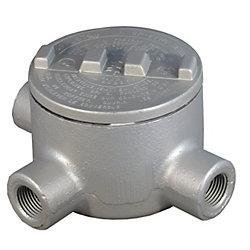
The GRT50 conduit outlet box is designed to handle 1/2-inch conduit entries in hazardous locations. Made from malleable iron, it provides a sturdy, rated enclosure for outlets and terminations while maintaining a compact footprint suitable for tight installations. The HazLoc-rated configuration aligns with North American standards, enabling safer integration into electrical systems in potentially explosive environments.
Key advantages include reliable protection for wiring terminations, ease of installation in conduit-rich setups, and compatibility with standard conduit fittings. This box is particularly suitable for customers who prioritize a proven conduit outlet solution that combines rugged metal construction with explosion-proof performance.
Practical considerations involve confirming the specific conduit type, thread size, gasket compatibility, and the enclosure’s mounting options to ensure a proper, code-compliant installation in hazardous locations.
Gratury 290×190×140mm IP67 Plastic Enclosure
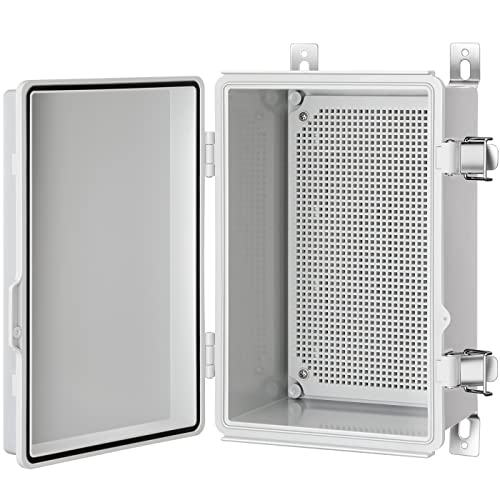
This Gratury enclosure is a plastic, IP67-rated housing designed for outdoor and indoor industrial use. The enclosure includes a mounting plate and wall bracket for quick installation, and its hinged grey cover provides convenient access to internal components. Stainless steel latches contribute to a reliable seal, helping to keep the interior watertight in harsh weather conditions. It’s a practical option when metal enclosures are unnecessary or when weight reduction is important.
Use cases include weatherproof control panels, electronics housings, or small PLC and sensor assemblies. While it may not offer metal-based explosion protection, its IP67 rating and weatherproof design make it suitable for outdoor environments, particularly where corrosion resistance and easy maintenance are prioritized.
Considerations include ensuring chemical compatibility with enclosure contents, the need for additional gasket material for dust protection, and the sufficiency of interior space for planned components and wiring.
Buying Guide: Key Purchase Considerations For Explosion Proof Enclosures
Purpose and location matter. Determine whether you need true explosion-proof protection (hazardous classifications) or a robust weatherproof enclosure with IP ratings for outdoor use. For hazardous locations, select enclosures with recognized HazLoc certifications and appropriate material types (stainless steel for corrosion resistance or iron for impact resistance).
Material and finish impact durability. Stainless steel (304/316) offers strong corrosion resistance in coastal or chemical environments, while malleable iron provides structural rigidity and is common in conduit-based installations. Plastic enclosures reduce weight and cost but may limit chemical resistance and electrical grounding options.
Ingress protection and sealing. IP66 and IP67 ratings indicate excellent protection against dust and water. Consider seals, gasket quality, and the enclosure’s ability to maintain performance under temperature variations. For outdoor use, ensure climate tolerance matches operating conditions.
Conduit and mounting considerations. Check compatible conduit sizes and mounting configurations. Some boxes are optimized for quick installation with mounting plates and backplanes; others emphasize a compact footprint for tight spaces. Plan entry points and gland fittings early to minimize rework.
Certifications and standards. Look for CE, ISO certifications, and IEC/North American HazLoc approvals. Standard alignment facilitates procurement across regions and ensures consistent safety practices. Documentation and warranty terms also affect long-term maintenance and compliance.
Maintenance and accessibility. Consider how easy it is to access internal components, replace seals, or perform routine inspections. Enclosures with modular components or removable doors simplify service in demanding environments.
Cost vs. longevity. While metal enclosures may carry a higher upfront cost, they often deliver longer life in harsh environments. Plastic options can reduce weight and cost but may require more frequent inspections for wear and weathering. Balance initial investment with expected service life and maintenance needs.