Best Electric Tankless Water Heaters for Quick, on-Demand Hot Water
Electric tankless water heaters deliver hot water on demand, saving space and energy while minimizing wait times for showers, kitchens, and sinks. This guide highlights five popular models, focusing on performance, installation needs, and efficiency. Whether you’re upgrading an older system or installing a new point-of-use heater, these options cover a range of home sizes and power requirements to help you choose wisely.
| Product | Brand | Max Flow (GPM) | Typical Use |
|---|---|---|---|
| Rheem 18kW 240V | Rheem | Up to 4.4 | |
| Rheem RTEX-24 | Rheem | Up to 4.0 | whole home with higher water needs |
| EcoSmart ECO 11 | EcoSmart | Up to 1.3 (single unit) | compact, point-of-use or small homes |
| WINTEMP 36kW | WINTEMP | Up to 8.7 | whole-house with multiple usage points |
| 14kW SIVUATEK | SIVUATEK | Up to 1–2 points of use | under-sink/kitchen or bath combo |
All models below are designed to activate hot water only when needed, helping reduce standby losses. When choosing a unit, consider your home’s electrical service, breaker capacity, and the number of concurrent hot-water draws. The sections that follow break down each option’s strengths, installation notes, and what to expect for performance in a typical American home.
Rheem 18kW 240V Tankless Electric Water Heater
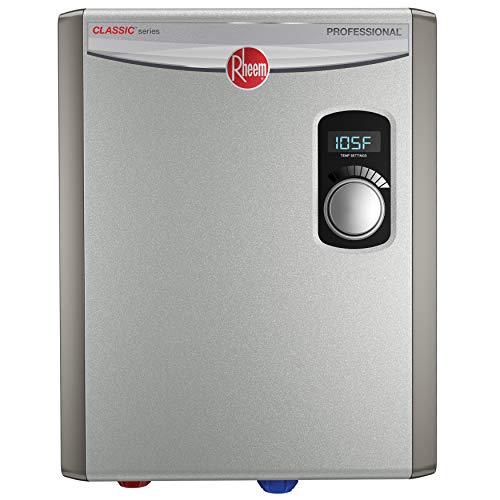
This Rheem model features an external digital thermostatic control with an LED display for precise temperature adjustments (+/- 1 degree). Its self-modulation adjusts power to meet hot-water demand, and durable copper immersion heating elements are field serviceable. It delivers up to 4.4 GPM, making it suitable for moderate whole-home use or multi-point applications where hot water is needed quickly.
Rheem RTEX-24 24kW 240V Electric Tankless Water Heater
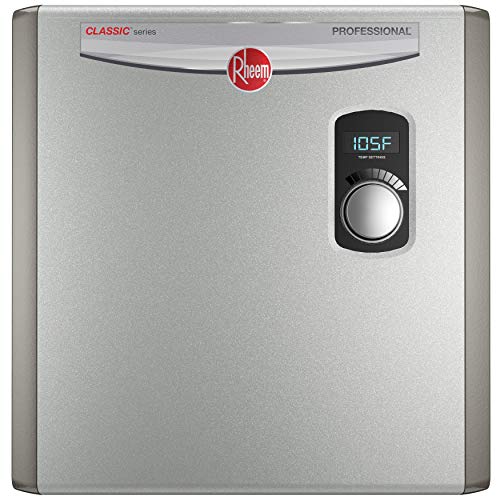
The RTEX-24 model requires a robust electrical setup: three 40-amp double-pole breakers and a 200-amp service recommended for most homes. It’s rated at 24 kW and supports continuous hot water across the home when properly installed. It uses a dial control with adjustable digital temperature display, allowing 1-degree increments from 80 to 140 degrees Fahrenheit. Performance varies with groundwater temperature and flow rate, so sizing for your local climate is essential.
EcoSmart ECO 11 Electric Tankless Water Heater

The EcoSmart ECO 11 uses patented self-modulating technology to deliver on-demand hot water with efficiency. It’s compact, about 11.5 by 8 by 3.75 inches, and claims up to 99% energy savings since it only heats water when called. With a 54 A amperage draw, installation is straightforward for small homes or point-of-use scenarios, and it’s designed to be space-saving and energy-efficient while maintaining temperature within about 1 degree of the selected setting.
WINTEMP 36kW Tankless Electric Water Heater
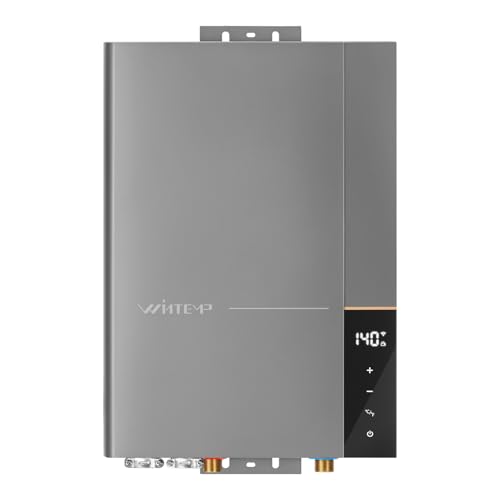
The WINTEMP 36kW unit provides substantial hot-water output, with a maximum flow of up to 8.7 GPM. It features a large-capacity 36 kW heating system, 240V supply, LED temperature display, and WiFi control. The installation note highlights a 4 x 40-amp double-pole breaker requirement and appropriate gauge wiring (4 x 8/2 AWG). This model is designed for whole-house usage with multiple simultaneous draws, making it a strong option for larger homes or households with high hot-water demand.
14kW Tankless Water Heater Electric by SIVUATEK
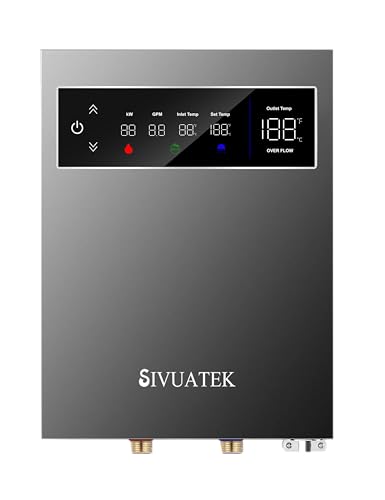
This 14kW model is designed for point-of-use installation with 1 x 60-amp circuit. It provides instant hot water with up to 99% thermal efficiency, reducing energy use while delivering reliable hot water for 1–2 simultaneous points of use, such as a kitchen and bathroom. The compact unit is intended to be installed under-sink or on the wall, offering flexible placement for smaller installations or additional hot-water capacity where needed.
Buying Guide: Key Purchase Considerations
Choosing the right electric tankless water heater depends on your water usage, climate, electrical capacity, and installation space. Consider the following factors to compare options effectively:
- Flow rate and temperature rise: Match the model’s GPM rating to your peak hot-water needs. In colder climates, the same unit will deliver less hot water due to a greater temperature rise.
- Electrical requirements: Verify available service, breaker slots, and wire gauge. High-capacity units may require upgrades to panels and feeders, which can affect installation cost and feasibility.
- Thermostatic control and modulation: Self-modulating units save energy by adjusting power; digital displays help with precise temperature control.
- Size and installation environment: Point-of-use models are compact and install under sinks, while larger units suit multi-point or whole-house needs. Ensure proper clearance and venting (where applicable) and protect against moisture.
- Durability and serviceability: Copper heating elements and field-serviceable components can reduce downtime and maintenance costs.
- Climate considerations: Groundwater temperature significantly influences performance; sizing charts or guidance from manufacturers help set expectations for your area.
- Energy efficiency: Look for models designed to minimize standby losses and maximize heat transfer efficiency, which lowers operating costs over time.
In practice, homeowners should assess both current and anticipated hot-water demand. For small apartments or bathroom/kitchen point-of-use needs, compact units like EcoSmart ECO 11 or SIVUATEK14kW offer efficient solutions. For larger households or homes with multiple showers running simultaneously, higher-capacity units such as the WINTEMP 36kW or the Rheem RTEX-24 provide robust performance, provided the electrical system supports them. Always consult a licensed electrician to verify compatibility with your electrical service and to ensure safe, code-compliant installation.