Best Electric Heat Wall Thermostats for Precise Baseboard Heating
Answering the search intent for reliable wall thermostats that control electric baseboards and line-voltage heaters, this guide highlights five strong options. These products suit homeowners seeking precise temperature control, straightforward installation, and compatibility with 240V or multi-voltage systems. Whether you want a simple manual dial or a programmable digital model, there is a choice here for most setups and budgets.
Summary of selected products:
- Dr. Infrared Heater DR-001 Wall Thermostat – High-amp, multi-voltage compatibility (120–277V).
- Cadet Double Pole Mechanical Wall Thermostat – 22A, easy line-voltage replacement.
- YeloDeer 240V 4-Wire Manual Thermostat – Modern design with wide 40–80°F range.
- Stelpro SWT1F Single Pole Mechanical Thermostat – Versatile for baseboards and fans.
- Honeywell Home RLV4305A1000 – 5-2 day programmable for quieter operation.
Dr. Infrared Heater DR-001 Wall Thermostat
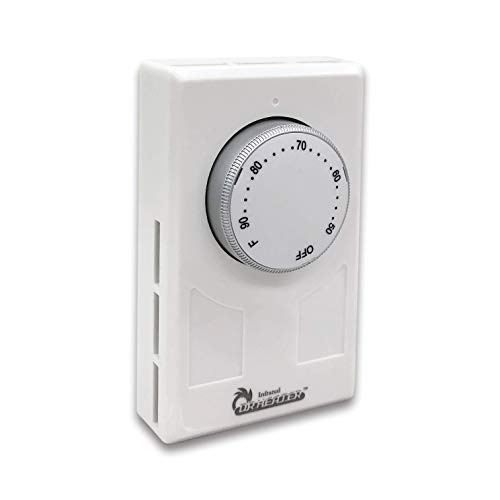
This device supports 3360W at 120V, up to 7756W at 277V, making it suitable for high-heat capacity rooms. It includes C and F control dials, enabling precise temperature settings in Celsius or Fahrenheit. Its wall-mount design keeps lines clean and flush with the wall, ideal for modern interiors. Best for: homes with large baseboard circuits or multi-volt installations that require robust power handling. Limitation: bulkier form factor may not fit tight wall cavities.
Cadet Double Pole Mechanical Wall Thermostat

This 22 Amp double-pole thermostat supports straightforward replacement of many line-voltage units. Its color-coded wiring simplifies installation and reduces miswiring risk. Best for: homeowners upgrading older line-voltage thermostats to a more reliable mechanical option. Caution: not ideal for low-voltage systems or electronic-only installations.
YeloDeer 240V 4-Wire Manual Thermostat

The YeloDeer model is designed for 240V, with a max 4800W rating and a 40–80°F (4.4–26.7°C) control range. It features a large dial for easy temperature changes and a wall-flush aesthetic. Best for: users seeking a stylish, easy-to-adjust baseboard thermostat with a wide operating range. Limitation: relatively lower wattage ceiling may exclude higher-heat areas.
Stelpro SWT1F Single Pole Mechanical Thermostat

Stelpro’s SWT1F is a versatile, single-pole mechanical thermostat suitable for 240V installations. Its simple dial allows precise temperature adjustments, and two-wire installation keeps wiring straightforward. Best for: residential or commercial baseboard or wall-heater setups that require dependable, uncomplicated control. Limitation: single-pole operation may leave you without a true off position in some wiring configurations.
Honeywell Home RLV4305A1000 Programmable Thermostat

The Honeywell RLV4305A1000 offers 5-2 day programmable scheduling, designed for electric baseboard heaters and convectors. It uses TRIAC switching for quiet operation and precise temperature control, reducing temperature swings. Best for: households wanting routine, programmable adjustments to save energy without manual changes. Caution: some installations may require a compatible sub-base or additional wiring for full scheduling features.
Buying Guide
Choosing the right electric heat wall thermostat depends on your system type, installation ease, and desired control features. Consider the following questions and recommendations to guide your decision.
What type of system do you have?
Baseboard heaters and line-voltage systems typically require 120V–277V rated thermostats. For older homes, double-pole models can improve safety by fully disconnecting the circuit. If you have a 240V system, ensure the thermostat is rated for 240V and matches your heater’s wattage.
Mechanical vs. digital controls
Mechanical thermostats are robust, simple, and often easier to install. Digital or programmable models offer scheduling, better precision, and energy savings. For frequent temperature changes, a programmable model like Honeywell’s option can reduce energy use, while a reliable mechanical model keeps things simple in busy environments.
Wiring and installation
Many baseboard thermostats are two-wire or four-wire devices. Check the wiring scheme on your wall and the thermostat’s compatibility. Models with clearly color-coded wiring simplify installation. If upgrading from a legacy unit, consider a double-pole thermostat to improve safety and performance.
Power handling and range
Choose a thermostat with adequate wattage capacity for your heater. Higher wattage units (like Dr. Infrared’s model) suit larger rooms or multi-volt installations. For smaller spaces, 240V, 4800W or lower models may suffice. Always verify the maximum wattage rating against your heater’s draw.
Design and compatibility
Consider the thermostat’s physical design. A flush-mount, wall-flush unit looks cleaner in living spaces, while a digital display with backlighting aids visibility at night. If you value aesthetics, select a model with a neutral color and slim profile that matches your room’s decor.
Installation environment and safety
Ensure a dry, indoor location for installation. When in doubt, consult an electrician, especially for high-voltage wiring. Avoid placing thermostats near heat sources that could create false readings, such as near vents or direct sunlight.
FAQ
- What is the difference between single-pole and double-pole thermostats? A single-pole thermostat controls one hot leg, while a double-pole device disconnects both hot legs, providing enhanced safety and load isolation for line-voltage systems.
- Can I use a digital thermostat with baseboard heaters? Yes, many digital models are compatible with baseboard systems, but verify voltage and wattage ratings and ensure a suitable wiring base.
- Do programmable thermostats save energy? Yes, by scheduling temperature changes to match occupancy and routines, programmable models can reduce energy use compared with manual thermostats.
- Is professional installation required for line-voltage thermostats? It is recommended for safety and code compliance, especially when dealing with 220–277V circuits.
- What should I do if my thermostat isn’t heating correctly? Check voltage compatibility, confirm wiring connections, and verify that the thermostat’s setpoint matches the desired temperature. If issues persist, consult an electrician.