Best Electric Flange Ball Valve Options for Industry
Answering how to choose an electric flange ball valve for industrial use, this guide highlights five solid picks and clarifies who each is best for. These valves are ideal for automated flow control in water, chemical, and process lines where durable construction and reliable actuation matter. The top picks vary by port size, material, and actuation speed, so select the model that matches your system’s diameter, environment, and power availability.
| Product | Best For | Key Benefit |
|---|---|---|
| Banjo 1″ MEVX101D | Compact systems | Fast 0.75 s actuation |
| Banjo 2″ MEVX220 | Rugged outdoor or wet environments | IP68 waterproof |
| Banjo 2″ MEVX221 | Corrosion resistance and heavy duty | 316 stainless ball & stem |
| Banjo 2″ MEVX201 | Industrial gauge lines needing indicators | Open/closed indicator |
| NXYHZ Q944/45F-16P | Flange stainless steel with various DN | Electric stainless steel tee valve |
Banjo 1″ MEVX101D Electric Ball Valve

Best for compact or space-constrained lines, this 1″ manifold flange valve is 12-volt DC operated with a quick ON/OFF response of about 0.75 seconds. The smaller footprint makes it suitable for control panels or compact process loops where flow shutdown requires rapid action. Use this when your system requires fast isolation without large actuators. Caution: the 1″ size may limit flow in high-volume applications.
Banjo 2″ MEVX220 Electric Ball Valve
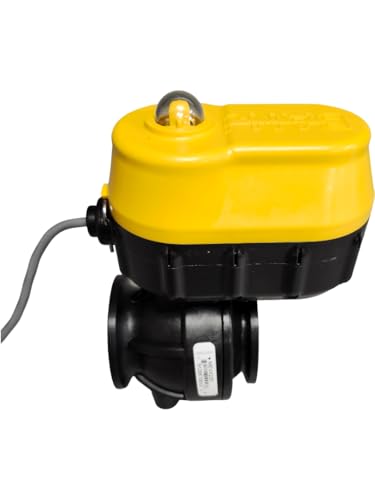
Best for outdoor or damp environments, this 2″ full-port valve provides robust flow with IP68 waterproofing. The 12-volt actuator offers a 1.5 second ON/OFF response, making it suitable for systems where exposure to moisture or dust is a concern. Choose this if your installation is exposed to weather or splashing water. Limitation: larger diameter means more mounting space and electrical load.
Banjo 2″ MEVX221 Electric Ball Valve

This 2″ valve combines a 12-volt DC actuator with a 316 stainless steel ball and stem for enhanced corrosion resistance. It suits aggressive chemical lines or saline environments where stainless components extend service life. Best for systems needing reliable chemical compatibility and easier maintenance. Caution: stainless ball/ stem can be more expensive to replace if damaged.
Banjo 2″ MEVX201 Electric Ball Valve

Best for lines requiring a built-in open/closed indicator, this 2″ valve includes an indicator to show valve position directly on the actuator. The 12-volt DC mechanism drives a 316 stainless steel ball and stem, providing robust performance in industrial settings. Choose this when you need quick status checks without additional instrumentation. Limitation: indicator visibility may be affected by ambient lighting or enclosure design.
NXYHZ Electric Stainless Steel Tee Valve Flange Ball Valve

Best for flexible DN options, this stainless steel tee valve flange design supports DN15 through DN100 configurations. The 12-volt operation and flange mounting align with standard industrial piping. This model is suitable where multiple DN sizes are needed in one family, offering ease of integration in modular systems. Caution: ensure flange compatibility with existing piping standards in your facility.
XEODUPEAS 4″ V Port Flange Valve

Best for larger process lines needing precise flow control, this 4″ DN100 V Port motorized actuator flange valve covers larger diameters with a V-port design for better throttling and flow characteristics. It suits heavy-duty industrial piping where accurate control of higher volumes is required. Limitation: larger footprint and higher power draw for actuation.
U.S. Solid 1-1/2″ Motorized Ball Valve

Best for drinking-water applications and NSF-conscious facilities, this 1.5-inch valve uses 304 stainless steel and includes a US plug for simple installation. It is designed for long cycle life (listed as 80,000-100,000 cycles) and full-port flow for minimal pressure drop. Choose this when you need a reliable valve with a robust stainless body and plug-ready installation. Caution: verify compatibility with local electrical codes for the plug type.
BGPHQLHOD Electric Stainless Steel Tee Valve Flange Ball Valve

Best for stainless steel process lines needing a tee-flange design, this electric stainless steel valve handles varied DN sizes with integrated flange connections. The model is suited for chemical, beverage, or pharmaceutical piping where material compatibility and easy integration are priorities. Limitation: precise DN compatibility should be confirmed before ordering due to multiple DN references in the listing.
Buying Guide
What to consider when buying an electric flange ball valve:
- Size and port type: Choose the port size that matches your piping. Full-port valves reduce pressure drop, while standard ports may be more cost-effective for smaller lines.
- Material compatibility: Stainless steel bodies and balls offer corrosion resistance; consider 316 stainless for aggressive fluids. DN and flange standards should align with existing piping.
- Actuator voltage and speed: 12-volt DC actuators provide compact options and quick responses; verify available wiring and safety requirements in your facility.
- Indication and orientation: Open/closed indicators help in quick status checks; ensure visibility in the control area or enclosure.
- Environmental protection: IP68 or similar ratings matter for damp or outdoor installations; factor in weather exposure and cleaning regimes.
- Maintenance and serviceability: Access to seals and stems, and the ease of replacing the ball or stem, influence lifecycle costs.
- Electrical compatibility: Ensure power supply, plugs, and enclosure ratings comply with local codes and plant standards.
FAQ
- What is a flange ball valve?
A flange ball valve uses a flanged connection to join piping and a ball inside the valve to control flow. An electric actuator automates the opening and closing.
- What does “full-port” mean?
Full-port means the bore is the same size as the pipe, allowing minimal pressure drop and unrestricted flow when open.
- Which material is best for aggressive fluids?
316 stainless steel offers stronger corrosion resistance, making it suitable for many aggressive fluids and chemical lines.
- Is IP68 waterproof important?
Yes, it helps protect the valve and actuator in wet or outdoor environments, reducing the risk of water ingress.
- Do I need a valve with an indicator?
An open/closed indicator helps operators confirm valve position at a glance, which is useful in automated systems and safety-critical lines.
- What should I check before purchasing?
Confirm flange compatibility, port size, material, voltage, and environmental ratings to ensure proper integration with your system.