Best Electric Baseboard Thermostat WiFi Buyers Guide for 2026
Answering your search intent: these WiFi-enabled baseboard thermostats help you save energy, control temperature remotely, and automate comfort for high-voltage electric heating systems. This guide highlights five top options and who they’re best for, from smart-home lovers to budget-conscious homeowners. Use the quick-reference table to compare core strengths at a glance.
| Product | Best For | Key Benefit |
|---|---|---|
| Mysa Smart Thermostat LITE for Electric Baseboard Heaters | Smart-home enthusiasts and energy savers | 7-day scheduling; works with HomeKit, Alexa, Google |
| meross Matter Smart Thermostat for Electric Baseboard Heater | Users seeking broad ecosystem compatibility | Universal Matter compatibility; voice control with multiple ecosystems |
| meross Smart Thermostat for Electric Baseboard and In-Wall Heaters | High-voltage setups needing flexible wiring | Four-wire install; high-voltage compatibility (120-240V) |
| Mysa Smart Thermostat for Electric Baseboard Heaters 240V | Users with 240V baseboard systems | Free app; humidity alerts; 100% free app control |
| Honeywell Home RLV4305A1000 | Traditional baseboard users seeking reliability | 5-2 day programmable; accurate and quiet switching |
Note: This article focuses on high-voltage, line-powered baseboard and similar electric heating systems. If your setup uses low-voltage controls or two-wire configurations, some models may require additional wiring or an upgrade to your heating system. Always verify compatibility before purchase.
Mysa Smart Thermostat LITE for Electric Baseboard Heaters
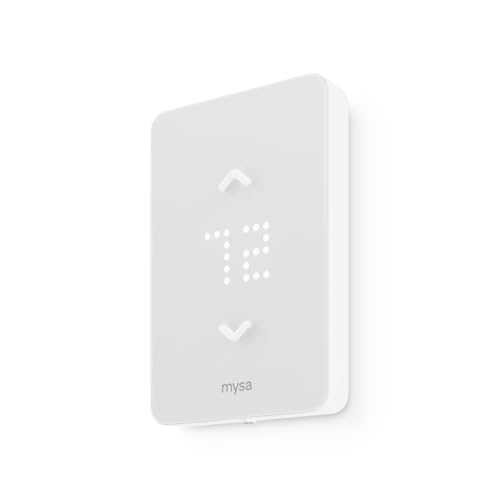
The Mysa LITE is designed for high-voltage electric heating with 120V-240V compatibility. Best for homeowners who want direct WiFi control without a hub and value energy savings through scheduling. It supports 7-day programming and integrates with Apple HomeKit, Amazon Alexa, and Google Home for voice control. A notable strength is its direct WiFi connection, which reduces setup complexity. A potential limitation is that some advanced features may require ongoing app updates or HomeKit setup steps for first-time users.
meross Matter Smart Thermostat for Electric Baseboard Heater
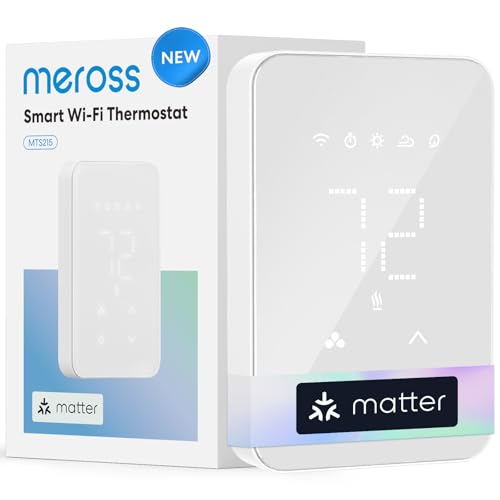
This model emphasizes broad ecosystem compatibility via Matter, plus voice control across Alexa, Apple Home, Google, and SmartThings. It’s best for users who want seamless cross-platform control and future-proofing as ecosystems evolve. The device is designed for high-line voltage (120-240 VAC) heating systems like baseboards, convectors, and fan-forced heaters. A caveat is that some features rely on stable Wi-Fi and ongoing app access; if you’re in a low-connectivity area, experiences may vary.
meross Smart Thermostat for Electric Baseboard and In-Wall Heaters

This option is ideal for high-voltage installations requiring a four-wire setup. It supports 120V-240V, making it suitable for diverse baseboard configurations. It’s best for users who need easy wireless control via Apple Home, Alexa, Google, and SmartThings. The installation note highlights that a minimum four wires are required, and some homes may need additional wiring in the electrical box. Choose this if you want strong multi-system compatibility and a robust feature set for wired installations.
Mysa Smart Thermostat for Electric Baseboard Heaters 240V

Best for 240V-only baseboard systems needing a compact, app-driven solution. This model supports high power loads and provides remote control, temperature alerts, and humidity alerts. It requires at least four wires including a neutral or a second live, which makes it more suitable for newer or upgraded electrical boxes. It’s a strong pick for homes with 240V circuits seeking reliable app-based management and proactive notifications. Avoid this if your baseboard setup is 120V-only or lacks the required wiring.
Honeywell Home RLV4305A1000 5-2 Day Programmable Thermostat

Honeywell’s RLV4305A1000 offers a traditional 5-2 day programmable experience for electric baseboards, convectors, and fan-forced heaters. It’s best for users who prefer a straightforward, timer-based schedule without requiring smart-home integration. The device emphasizes precise temperature control with TRIAC switching for silent operation. A limitation is the lack of built-in WiFi or app-based remote control, so it’s less suitable for those seeking remote access or voice control.
Buying Guide: Key Purchase Considerations
- Voltage and wiring: Confirm your baseboard system is high-voltage (120-240V) and identify whether you have four-wire or two-wire setups. Some thermostats require a neutral or additional live wire.
- Connectivity: Decide between direct WiFi, Matter compatibility, or hub-based ecosystems. Matter-enabled models offer broader future compatibility across Alexa, HomeKit, Google, and SmartThings.
- Smart features: Consider scheduling granularity (7-day vs. 5-2 day), geo-fencing, humidity sensing, and temperature alerts. These features impact comfort and energy savings.
- Voice control and ecosystems: If you use HomeKit, Alexa, or Google Home, choose a model with native support for your preferred assistant for hands-free control.
- Ease of installation: Some models claim under-30-minute installs; verify your wiring and box space to ensure a smooth setup.
- Energy savings: Look for claims like “save up to X%” with a caveat that actual savings depend on usage patterns and climate.
Frequently Asked Questions
- What is a high-voltage electric baseboard thermostat?
- Do I need a hub for these thermostats?
- Can these thermostats help me save energy?
- Which thermostat works best with HomeKit?
- Are there compatibility caveats I should know?
- What should I consider if my baseboard system is 240V?
It’s a thermostat designed to control heating systems that operate at higher voltages (typically 120-240V) and require four wires, rather than the low-voltage thermostats used with conventional HVAC systems.
Some devices connect directly to WiFi (no hub), while others support Matter or require a smart-home hub to integrate with multiple ecosystems.
Yes. Features like scheduling, remote control, and adaptive temperature management can reduce heating when you’re away or sleeping, lowering energy usage.
The Mysa LITE and certain Meross models offer HomeKit compatibility, enabling Siri control directly from Apple devices.
Always verify voltage range, wiring requirements, and whether your baseboard system is compatible with the thermostat’s input/output specifications before purchasing.
Choose models clearly labeled for 240V loads and check load limits (watts) to ensure safe operation with your heaters.