Best Cable Rollers for Cable Tray and Wire Laying Projects
Finding the right cable rollers can make a big difference in how smoothly wires and cables are laid along trays and conduits. The following selections are designed to reduce wear, guide direction, and simplify installation. Below you’ll find five top options with practical features for indoor and outdoor work, plus a buying guide to help compare models based on durability, compatibility, and ease of use.
| Product | Brand | Key Benefit |
|---|---|---|
| 2pcs Green Cable Tray Roller Wire Tray Pulling Roller | CABLELAYING | Semicircular profile with red axle; easy position adjustment |
| 5pcs Red Cable Tray Roller Wire Tray Pulling Roller | CABLELAYING | Multiple-pack option; robust axle design for wire protection |
| 5pcs Upgraded Blue Cable Wire Threading Tool | CABLELAYING | Improved threading and direction guidance |
| Greenlee 2030R Radius Cable Roller | Greenlee | Large tray compatibility; high-capacity pulling |
| Jameson Cable Rollers – Easy Rider | Jameson | Non-binding rollers for smooth operation |
The selections emphasize versatile use, protective design for cables, and compatibility with various tray sizes. Each product section below highlights how the roller supports wire laying tasks, the installation approach, and the practical considerations for choosing between options.
2pcs Green Cable Tray Roller For Easy Deployment
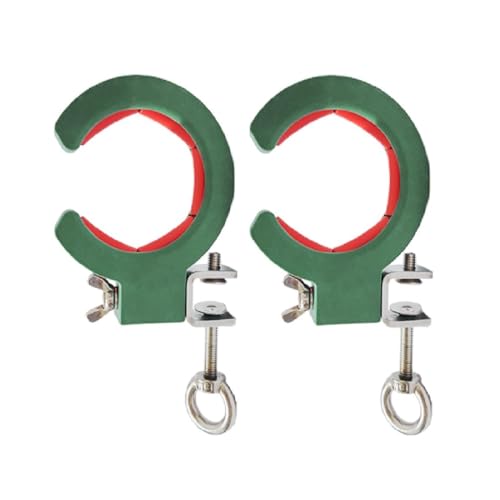
These rollers mount with screws for quick installation, streamlining wire routing along trays. The design emphasizes convenience and time savings, with a semi-circular profile to guide and support cable laying. The red axle rotates as you pull, helping protect the cable from wear and tear. Suitable for use inside, outside, or around corners, they direct the cable precisely where you want it. The setup is straightforward, making it a practical choice for projects requiring reliable, repeatable wire guidance.
5pcs Red Cable Tray Roller For Versatile Layouts

The red-axle rollers come in a 5-pack, designed for efficient installation with screws. They offer easy adjustment of the tray’s position and direction, enabling quick alignment of routes. The axle supports wire protection as it rolls, and the semicircular form directs cable laying with minimal friction. This option suits outdoor, indoor, or corner work, providing flexibility for different job sites and layouts while maintaining consistent performance across multiple pulls.
5pcs Upgraded Blue Cable Wire Threading Tool
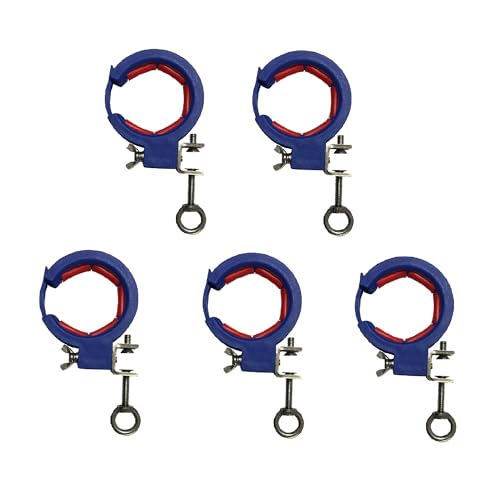
These upgraded blue rollers simplify threading and routing. Screw-based installation allows rapid setup and rearrangement while saving time on wire placement. The axle design ensures the red roller area moves with the wire, reducing wear on cables as they pass through the roller. The semi-circular profile guides direction and helps keep cables on the intended path, making them versatile for outdoor, indoor, or corner installations with a focus on ease of use and dependable performance.
Greenlee 2030R Radius Cable Roller

The Greenlee 2030R supports larger tray widths, designed for heavy-duty pulling of numerous network cables at once. With dimensions suited for broader trays and a robust construction, this roller is geared toward professional applications requiring substantial load capacity. Its specs reference multiple manufacturing facilities and practical capacity, indicating reliability in demanding environments. This model emphasizes durability and efficiency for high-volume cable installations along wide trays.
Jameson Easy Rider Stringing Block With Nylon Rolling

Jameson’s Easy Rider stringing block uses nylon rollers to provide smooth rotation while pulling cables, minimizing binding during overlash construction. The design helps keep fiber optic cables from binding before lashing, supporting efficient installation with a focus on preventing snags and wear. This option is well-suited for precision runs and smaller-diameter cables, delivering reliable performance in light-to-moderate pull scenarios.
Buying Guide
- Tray compatibility: Check the maximum tray width and diameter the roller can support. Large trays benefit from higher load capacity, as seen in the Greenlee option.
- Roller material and wear protection: Nylon and red-axle designs help minimize wear on cables. For heavy-duty work, metal frames with robust axles are advantageous.
- Installation method: Screw-in mounting provides secure positioning and easy adjustments. Consider the ease of repositioning if your layout changes.
- Number of rollers: Multi-pack options can be cost-effective for longer runs or multiple parallel lines but consider space and handling requirements.
- Environment suitability: Outdoor use may require corrosion-resistant materials; indoor setups may prioritize compact and lightweight designs.
- Portability and storage: Lighter rollers with a simple setup are advantageous for temporary runs or frequent site changes.
- Direction guidance: Semicircular profiles help guide cables along the intended path and reduce tangling during installation.
- Maintenance: Look for rollers with smooth rotation and minimal binding to reduce maintenance needs during lengthy projects.
These considerations help compare the options for various project scopes, from quick indoor tasks to large-scale outdoor wiring runs. By aligning features with the specific tray width, cable diameter, and installation environment, you can select a roller system that offers reliable performance, protection for cables, and efficient workflow on site.