Best Cabinet Cooling Fan Kit for Quiet, Reliable AV Cabinet Cooling
When selecting a cabinet cooling fan kit, goal-oriented buyers want quiet operation, reliable airflow, and easy temperature management for AV gear and network cabinets. This guide highlights five top options, showing who each is best for and why. Whether you’re building a home theater rack or a network closet, these kits help prevent overheating without adding noise or clutter.
| Product | Best For | Key Benefit |
|---|---|---|
| AC Infinity AIRPLATE S1 | Small to mid-size cabinets; noise-sensitive setups | Ultra-quiet, adjustable speed for optimal balance |
| AC Infinity AIRPLATE S7 | Medium to large AV cabinets; quiet operation | Higher airflow with multi-speed control |
| AC Infinity AIRPLATE T3 | Thermal-sensitive environments; budget-conscious | Thermostat-control and digital temp readout |
| AC Infinity AIRPLATE T7 | 12″ top-exhaust needs; thermostat-based cooling | Thermostat control with SMART energy saving mode |
| AC Infinity AIRCOM S7 | Receivers, amps, DVRs; compact 12″ top-exhaust | Thermal management with dual control options |
Note: The five selections below emphasize quiet operation, digital or programmable controls, and compatibility with common 12″ and 6″ cabinet footprints. Each entry includes who benefits most and a practical caveat to consider during purchasing.
AC Infinity AIRPLATE S1, Quiet Cooling Fan System 4″

Best for small cabinets or where space is at a premium. The S1 prioritizes ultra-quiet operation with a multi-speed controller to dial in the perfect balance between noise and airflow. Its CNC machined aluminum frame delivers a modern look while helping heat removal. Choose this if you need a compact solution with adjustable speed and minimal sound impact. Caution: Maximum airflow is lower than larger 12″ units, so consider cabinet heat load before selecting.
AC Infinity AIRPLATE S7, Quiet Cooling Fan System 12″
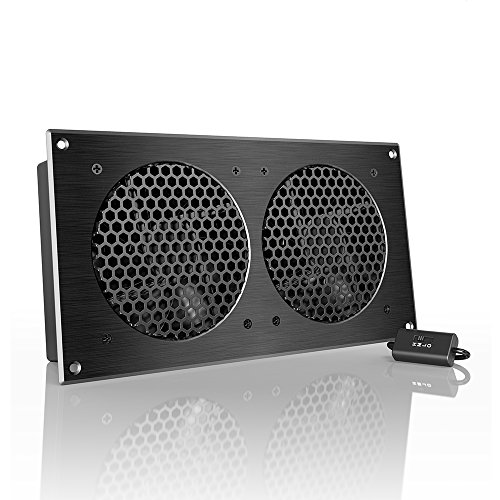
The S7 fits mid-to-large cabinets and provides a higher airflow with a multi-speed controller. It’s well suited for setups that generate more heat or run longer periods. Best for: AV racks needing stronger cooling without compromising quiet operation. Limitation: Slightly larger footprint may require more cabinet space and airflow planning.
Tupavco TP1511 2pc Kit 120mm Fans
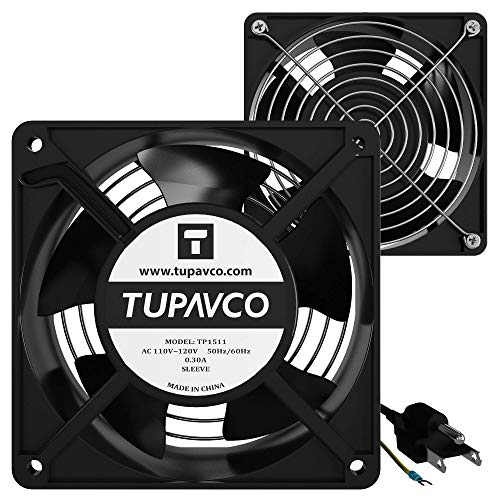
Better for traditional 19″ network cabinets needing a simple dual-fan upgrade. The Tupavco kit includes two 120mm axial fans with a 110V supply and integrated cables, offering solid airflow (95/110 CFM) with low noise (45dBA). Best for: users who want an affordable pair to replace older fans or to create a custom cooling path. Caution: The 110V configuration means working with mains wiring safety requirements and potential installation complexity.
AC Infinity AIRPLATE T3, 6″ Quiet Cooling

The T3 integrates an on-board processor to provide a temperature readout and supports thermostat control, speed control, and a SMART energy-saving mode. This makes it a strong choice for small-to-medium cabinets where precise temperature targets matter. Best for: environments where a digital temperature feedback loop improves reliability. Limitation: Smaller 6″ size may limit airflow for very hot cabinets without proper placement or additional fans.
AC Infinity AIRPLATE T7, 12″ Thermostat-Controlled

The T7 combines a 12″ footprint with thermostat control and SMART energy-saving mode. It’s a strong pick for larger AV cabinets that require active cooling with intelligent heat management. Best for: users who want automated cooling responses to changing temperatures. Caution: Like other top-end units, installation may require attention to cable routing and mounting to prevent vibration.
AC Infinity AIRCOM S7, 12″ Top-Exhaust for AV Cabinet Components
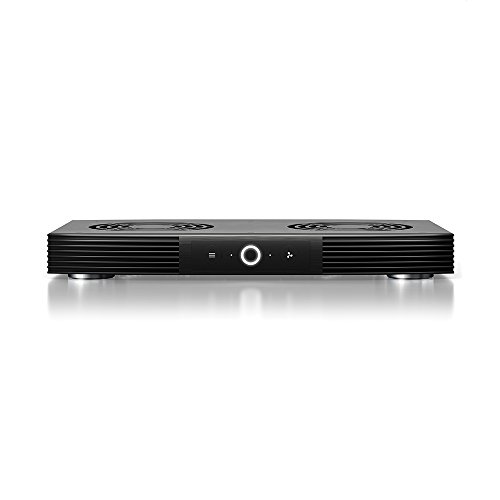
Designed for top-exhaust cooling of AV components like receivers, amps, and DVRs. The S7 offers quiet operation with a focus on protecting components from overheating and performance issues. It supports two thermal trigger modes and four speed controls for tailored cooling. Best for: compact yet powerful top-mounted exhaust needs. Limitation: It may require a compatible mounting location to maximize airflow efficiency.
Buying Guide: Key Considerations for Cabinet Cooling Fans
- Cabinet size and heat load: Match fan size (4″, 6″, 12″) to interior volume and equipment density to avoid over- or under-cooling.
- Noise tolerance: If you have a media room or recording space, prioritize ultra-quiet or programmable fans with noise-level controls.
- Control features: Thermostat-based control, digital readouts, and SMART energy-saving modes help maintain stable temperatures with minimal manual intervention.
- Top-exhaust vs. rear-side airflow: Top-exhaust designs can be ideal for heat rising from equipment; side or bottom mounting may suit narrow racks.
- Power supply and safety: Check voltage compatibility, wiring requirements, and whether you need an integrated controller or external switch.
- Installation ease: Look for kits with clear mounting hardware, aluminum frames, and compatible perforated panels for airflow.
Frequently Asked Questions
- What size cabinet fan kit should I choose?
- Do these fans run quietly enough for home theaters?
- What is the difference between top-exhaust and standard exhaust?
- Is thermostat control worth it?
- Can I install these myself?
- Will a mesh panel improve cooling?
Choose based on cabinet dimensions and anticipated heat load. Smaller 4″ units suit compact shelves; larger 12″ kits handle bigger racks with higher air exchange needs.
Yes, many are designed for ultra-quiet operation. Look for models with multi-speed controls or thermostat-based operation to minimize noise while maintaining cooling.
Top-exhaust models push warm air upward and out of the cabinet, often reducing heat buildup more effectively in vertical racks, while other designs may integrate with back or side vents.
Thermostat control provides automatic fan adjustments based on real-time cabinet temperature, helping prevent overheating and reducing energy use.
Most kits include mounting hardware and instructions. Basic electrical safety knowledge is recommended, and complex mains wiring may require an electrician.
Yes, ventilated mesh panels improve air intake and exhaust when paired with a compatible fan, especially in custom installations.