Best Brazing Rods for Copper Pipe: Top Picks for Secure Joints in HVAC and Plumbing
Choosing the right brazing rods for copper pipe is essential for durable, leak-free connections in HVAC, refrigeration, and plumbing projects. The following selections emphasize low melting points, fluidity, and compatibility with copper and copper alloys. This guide compares five reliable options based on material composition, ease of use, and typical applications to help technicians and DIY builders select the best rods for their needs.
| Product | Brand | Key Benefit |
|---|---|---|
| Fox Alloy 20pcs Copper Brazing Rods BCuP-2 (2mm) | Fox Alloy | Low temp, good flow into small gaps |
| CADHENA 20 Rods 1/13″ x 13.78″ | CADHENA | Wide application, solid joint integrity |
| UCandy 20 Sticks BCuP-2 | UCandy | Low-temp fluxing, easy to install |
| Vouyar 40 Sticks BCuP-2 | Vouyar | Consistent diameters, strong hermetic seal |
| Bernzomatic Copper-Phosphorous Rods | Bernzomatic | Refrigeration and plumbing ready, 12-inch length |
Fox Alloy BCuP-2 Copper Brazing Rods, 20 Pcs
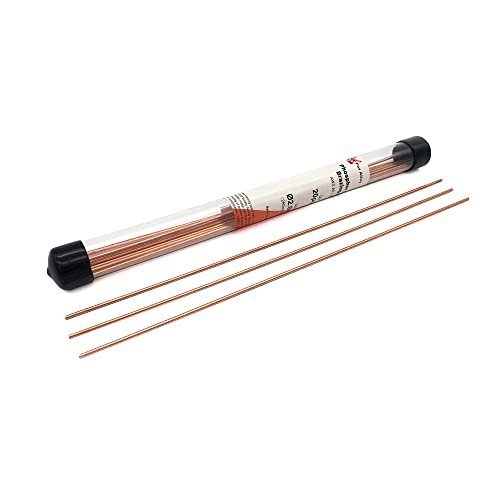
The Fox Alloy kit includes twenty 2.0 mm copper brazing rods (BCuP-2). It adheres to AWS A5.8 and features a low melting point in the 640-770°C range with good fluidity, enabling welding in tight spaces. The self-fluxing properties simplify use for copper-to-copper joints commonly found in air conditioning, refrigeration, and piping applications. These attributes support efficient, reliable brazing with minimal flux management.
CADHENA 20 Rods Copper Brazing Rods 1/13″ x 13.78″

CADHENA offers twenty 1/13″ x 13.78″ rods designed for copper brazing. The rods operate in a brazing range of approximately 1310-1508°F and are suitable for copper and copper alloys in motors, refrigeration, and plumbing contexts. They are described as easy to use for both beginners and professionals, with proper usage involving silver flux for certain copper alloys to achieve sound joints.
UCandy 20 Sticks BCuP-2 Copper Brazing Rods

The UCandy set contains twenty 0.050″ x 1/8″ x 10″ rods with a low-temperature phosphor copper alloy profile (BCuP-2). The rods offer easy installation and strong fluidity to fill small gaps, making them suitable for brazing copper and copper alloys used in motors, air conditioning, meters, and refrigeration. As with other copper-phosphorus alloys, flux may be unnecessary for copper-to-copper joints but can be advantageous for copper-to-brass assemblies.
Vouyar 40 Rods BCuP-2 Copper Brazing Rods

Vouyar provides a large set of forty BCuP-2 copper brazing rods with a 2 mm diameter and a 250 mm length. Their low melting point range (640-770°C) supports strong seals with good fluidity, ideal for HVAC, refrigeration, and gas piping. The design emphasizes easy handling and reliable joint formation across multiple copper-based joints in professional and DIY projects alike.
Bernzomatic Copper-Phosphorous Brazing Rods, 3-Piece

Bernzomatic offers a compact set of three copper-phosphorous brazing rods, designed for refrigeration, electrical, and plumbing tasks. The rods are 12 inches long and provide a robust alternative for copper joint fabrication, combining ease of use with reliable mechanical strength. They are well-suited for professional service work and smaller-scale repairs where controlled heating and precise joint formation are required.
Buying Guide
Key purchase considerations for brazing rods include alloy composition, melting point, and flux requirements. Copper-phosphorus (BCuP-2) rods balance low melting temperatures with good fluidity, which is advantageous for tight gaps and small diameters commonly found in copper piping. When choosing between self-fluxing and flux-required rods, consider project conditions, corrosion resistance, and compatibility with brass or copper alloys. The rod diameter and length impact heat transfer and maneuverability; smaller diameters yield easier control for delicate joints, while longer rods can reduce frequent rod changes on larger projects.
Other factors to compare include container packaging (value packs versus smaller sets), compatibility with brazing torches (propane vs. acetylene), and recommended joint clearances. For refrigeration and HVAC applications, ensure the selected rods meet relevant standards (e.g., AWS A5.8) and confirm that the rod composition supports the specific copper alloys in use. For DIY repairs, self-fluxing options simplify workflows by reducing flux preparation, but professional settings may still prefer flux-based rods for particular alloys or joint configurations.
Performance perspectives vary by user experience and joint geometry. Beginners may favor self-fluxing rods for straightforward copper-to-copper joints, while seasoned technicians may select rods with graded flux content to maximize weld integrity across different copper alloys. Temperature control, torch technique, and joint cleanliness remain critical to achieving hermetic seals and delaying corrosion or joint failure over time.
Summary considerations for this selection include: versatility across common copper pipe tasks, consistent availability in multiple pack sizes, and documented melting ranges that align with typical brazing torches used in HVAC and plumbing. When in doubt, start with a mid-range diameter (around 1/16″ to 2 mm) and a rod length around 10–14 inches to balance handling with performance for a wide range of joints.