Best Battery-Powered PoE Injectors for On‑The‑Go Networking
For mobile or off‑grid networking, battery-powered PoE injectors enable reliable power for wireless access points, cameras, and other powered devices without a traditional power outlet. This guide highlights five top options designed to run on common drill batteries or portable power sources, offering various voltages, passthrough speeds, and safety features. Each entry includes practical considerations to help you compare capacity, compatibility, and portability across real‑world setups.
Summary table of selected products:
| Product | Power Output | Key Benefit | Battery Compatibility | URL |
|---|---|---|---|---|
| Portable Combo PoE Injector (DeWalt/Milwaukee) | 25–50 W; 24–57 V range | Active & Passive modes in one unit | DeWalt/Milwaukee drill batteries | Amazon |
| Portable Passive 24v PoE Injector | 25 W; 36–57 V range | Passive PoE with high‑voltage support | Bosch/Makita batteries | Amazon |
| Gigabit DC PoE+ Injector (12–48V) | Up to 30 W PoE+ | Auto‑sensing, extends range to 100 m | Any 12–48V source | Amazon |
| PoE Texas Inline 30 W PoE+ | Up to 30 W; 12–60 V inputs | Solar/battery ready, inline conversion | DC sources 12–60 V | Amazon |
| TRENDnet PoE+ Injector | 30 W; 328 ft range | NDAA/TAA compliant for government use | Standard PoE power supply | Amazon |
Portable Combo PoE Injector With Active And Passive Modes

The PROXEET Portable Combo offers both active and passive PoE configurations in a single, compact unit. It supports 25–50 V DC outputs ranging from 25 to 50 watts, covering IEEE 802.3af/at powered devices. The device is designed for PDs within 24–30 V and 36–57 V ranges, enabling broad compatibility with Wi‑Fi access points, antennas, and VoIP devices. A built‑in load detector provides automatic shutdown when no device is connected, enhancing energy efficiency and device safety. Its cordless operation aligns with 18–20 V battery platforms, including DeWalt and Milwaukee cordless drills. This versatility makes it suitable for field deployments where traditional power is not available.
Key considerations: ensure your connected PDs fall within the supported voltage range; verify your drill battery system can deliver sustained current; and confirm the passive vs. active mode requirements for your network equipment. The unit’s passthrough capability helps preserve network uptime even when power is intermittent.
Portable Passive 24v PoE Injector For Bosch/Makita Batteries
This unit emphasizes passive PoE with a 50 V output at 25 watts, suitable for devices that tolerate higher voltage passive power. It supports a voltage range of 36–57 V and uses the positive 4,5 and negative 7,8 pairs for power delivery. The injector is compatible with Bosch and Makita battery ecosystems, making it a practical choice for technicians using common cordless tools. It also includes a built‑in load detector for automatic shutdown, preserving battery life when the connected PD is not present. The passive design can simplify setups that avoid negotiation overhead, but ensure device compatibility with 802.3af/at standards.
Considerations include PD compatibility with passive PoE, ensuring proper cabling polarity, and weighing battery availability against the higher voltage requirement. Its portability supports rapid field installations where keeping devices powered is critical.
Gigabit DC PoE+ Injector For 12–48V Sources

The PLUSPOE injector handles a wide input range of 12–48V DC and delivers up to 30W to a PoE+ device. It converts a non‑PoE Gigabit port to a PoE+ port and supports 10/100/1000Base‑T, with auto‑sensing to optimize power delivery. The device is suitable for networks requiring long reach up to 100 meters (328 feet) and can function as a flexible power sourcing component in solar or battery‑rich environments. LED indicators aid in diagnosing PoE status and faults, simplifying troubleshooting in the field.
Key considerations include ensuring your PD can negotiate PoE+ power, verifying the length and quality of Ethernet cabling, and planning for potential heat generation in hot environments where PoE is in use for extended periods.
PoE Texas Inline 30 W PoE+ For Solar And Battery Installations

This inline PoE injector is designed for unregulated DC sources from 12 to 60 V, providing a regulated 50‑V PoE+ output at up to 30 W. It is described as ideal for solar and battery power installations, allowing you to run PoE cameras, WiFi access points, or other devices from portable energy sources. It offers a dual input path: a DC barrel input or PoE input via RJ45, enabling flexible configurations in mobile or off‑grid environments. Note that power supplies are not included, so pairing with an appropriate battery pack is necessary.
Practical considerations include selecting a compatible DC source and ensuring safe integration with solar charging or battery management systems. The regulator’s performance under varying voltages should be tested in the field to ensure stable PoE output.
PoE Texas Inline Converter For 12–30v To PoE

This converter takes 12–30 V inputs and provides a 48 V PoE output, enabling PoE functionality for devices powered by solar or battery sources. It is compatible with various PoE devices and supports powering cameras, APs, and other network devices from portable power. The device supports two input modes: DC barrel input and RJ45 PoE input, allowing versatility at the point of deployment. It is especially useful for mixed‑voltage systems where adapting existing power sources to PoE is needed.
Important considerations include validating device compatibility with 802.3af/at PoE, assessing the overall efficiency of the conversion, and planning for heat management in compact field enclosures.
TRENDnet TRENDnet TPE-115GI PoE+ Injector
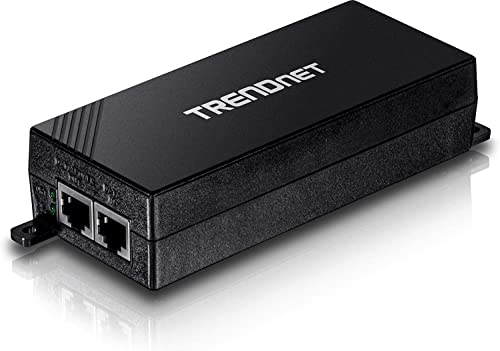
The TPE‑115GI from TRENDnet provides a 30 W PoE+ output with a single Gigabit input and a dedicated PoE port, packaged in a compact enclosure. It is NDAA and TAA compliant, targeting government and enterprise deployments. The injector’s built‑in power management supports stable delivery to PoE devices over standard Ethernet, with a three‑year manufacturer protection plan to assure reliability. This option suits environments requiring NDAA/TAA compliance and robust warranty support.
Considerations include verifying regulatory compliance for your installation, ensuring your PoE PDs are within the 30 W limit, and planning for adequate cooling and secure mounting in field cabinets.
ThePoEstore Gigabit PoE+ Injector Adapter

ThePoEstore offers a Gigabit PoE+ injector adapter designed to convert non‑PoE devices into PoE capable devices. It features auto‑sensing to provide up to 30 W while remaining backward compatible with 802.3af devices. The design uses a Gigabit input and a PoE+ output, ensuring solid data throughput for powered devices across typical office or field networks. This option suits users who want to upgrade legacy equipment with minimal downtime.
When evaluating this adapter, assess the ratio of power to data needs, confirm cabling quality for 1 Gbps operation, and verify compatibility with your existing PoE infrastructure and PDs.
Buying Guide: Key Purchase Considerations And Comparisons
Power source compatibility: Match the injector’s voltage range and current capacity with your battery or portable power source. Battery chemistry, capacity, and discharge curves affect real‑world performance. Prefer injectors that clearly state max load and safe operating ranges.
Mode and compatibility: Decide between passive, active, or mixed modes based on your devices. Passive PoE can simplify power delivery but requires PD compatibility with non‑negotiated power. Active PoE negotiates power with the PD, which can improve efficiency for mixed networks.
Distance and reach: PoE power vs. data can impact range. If you deploy devices far from the injector, ensure the cable length stays within the PD’s voltage and power tolerance, or choose amplifying or higher‑voltage solutions if needed.
Regulatory and safety features: Look for load detectors, automatic shutdown, and protection against short circuits. These features preserve battery life, prevent device damage, and support safer field deployments.
Portability and form factor: Consider overall weight, battery compatibility, and enclosure robustness. For field use, compact units with clear indicators and simple battery swaps are advantageous.
Compatibility with devices: Verify PD compatibility with 802.3af/at standards and verify that connected devices operate within the injector’s specified voltage and current ranges. Check for maximum output power to avoid under‑powering cameras or APs.
Durability and warranty: In mobile environments, rugged construction and solid warranty coverage help ensure long‑term reliability. Look for injector products offering protection plans and clear return policies.