Best 96 Cell Solar Panels for Efficient Home, RV, or Off-Grid Use
Looking for top-performing solar panels that lean on higher efficiency and compact design? This guide spotlights 96-cell style panels and similar high-efficiency options optimized for RVs, homes, boats, and off-grid cabins. The selections emphasize 25%+ cell efficiency, durable construction, and installation flexibility. Each entry includes who it’s best for, its key benefits, and a practical limitation to consider before purchasing.
| Product | Wattage | Best For |
|---|---|---|
| Renogy 200W N-Type | 200W | Compact spaces in Class B vans or small RV roofs |
| Renogy 400W N-Type (2x 200W) | 400W | Higher power needs in larger RVs or small homes |
| HQST 100W Bifacial | 100W | Maximizing shade and reflective surfaces in tight spaces |
| AeternaSol 200W HPBC | 200W | Limited-space rooftops with strong weather resistance |
| GRECELL 100W Portable | 100W | On-the-go charging for camping, vans, and gear |
Renogy 200W N-Type Solar Panel

The Renogy 200W N-Type panel prioritizes a compact footprint, making it a strong choice for Class B vans and tight roof spaces. Its 25% cell efficiency comes from advanced 16BB cell technology, which improves energy conversion and reduces microcrack risks. The panel supports both 12V and 24V battery systems, offering installation flexibility for different setups.
Best for: compact RV roofs and small boat cabins where space is at a premium. Choose this if you need reliable 200W output in a smaller form factor. Limitation: the panel’s density is optimized for space, so total system design should consider shading and orientation for maximum daily energy harvest.
Renogy N-Type 400 Watt Solar Panel (Two 200W Panels)

This 400W solar panel configuration is built for higher energy demands in RVs, tiny homes, or off-grid cabins. Featuring 25% cell efficiency with 16BB technology, it minimizes current loss and improves overall system performance, particularly in variable weather. The two-panel arrangement offers more total wattage without dramatically increasing roof space requirements. It’s compatible with both 12V and 24V systems for installation flexibility.
Best for: users who need a substantial power boost without adding excessive roof real estate. Choose this if your energy budget requires more output per area. Limitation: two-panel setups can complicate wiring and mounting in very small spaces.
HQST Bifacial 100W Solar Panel

The HQST 100W bifacial panel uses a dual-face design to harvest light from both sides, offering up to 15% more energy under optimal conditions. It employs Grade A+ cells and EL testing to minimize defects and maximize efficiency up to around 25%. The panel is designed for rugged outdoor use with a focus on wind and snow load resistance, making it suitable for boats, caravans, and off-grid cabins.
Best for: installations where reflective surfaces (like snow or light-colored ground) can boost rear-side energy capture. Choose this if you want a compact, weather-tolerant module with potential extra output. Limitation: bifacial gains require proper mounting and reflective conditions to reach the higher end of its potential.
AeternaSol 200W HPBC Solar Panel
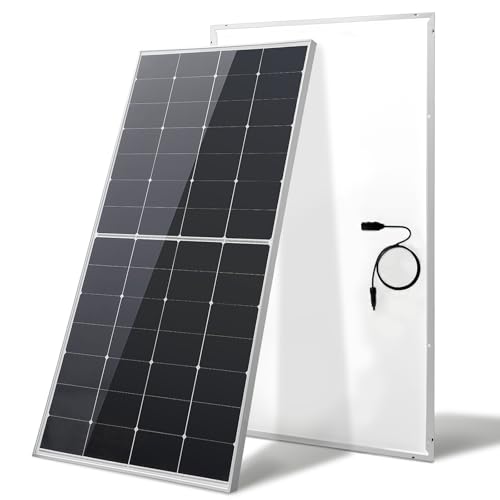
The AeternaSol HPBC 200W panel uses disruptive HPBC technology to deliver higher power per unit area (25.5% efficiency) and robust protection. Its design emphasizes weather resilience with an IP68 rating, strong microcrack resistance, and a corrosion-resistant frame. The modular concentrator design further enhances rooftop utilization and helps sustain higher heat stability with a minimal efficiency drop in high temperatures.
Best for: roof spaces where maximizing daily energy is critical and weather exposure is substantial. Choose this if you need strong performance in limited space and durable weather protection. Limitation: premium construction may come at a higher upfront cost compared to standard panels.
Renogy 200W/N-Type Panel (Compact 2Pcs 200W Set)
This listing features two 200W panels in a compact package, designed for tight Van and RV roofs. The 25% efficiency and 24V compatibility support flexible battery configurations and improved daytime charging under diverse conditions. It’s a practical choice when you need reliable 400W in a smaller footprint.
Best for: buyers who want scalable, mid-range total power with space-conscious installation. Choose this if you plan to expand from a single 200W unit later. Limitation: two-panel setups require careful roof clearance planning and wiring.
Buying Guide: Key Considerations For 96 Cell Style And High-Efficiency Panels
- System Voltage And Compatibility: Ensure the panel is compatible with your battery bank or solar generator (12V vs 24V; compatibility with your controller or inverter).
- Efficiency Versus Space: Higher efficiency panels deliver more power per area, which matters on limited roofs. Weight and thickness can also affect mounting options.
- Durability And Weather Rating: Look for IP ratings, frame material, and wind/snow load ratings if you’re in harsh climates or marine environments.
- Installation Context: RVs, boats, cabins, and tiny homes have different mounting challenges. Foldable or bifacial options may suit specific conditions.
- Cell Technology: 16BB, HJT, and back-contact technologies can influence performance in high temperature and low light. This often aligns with higher efficiency claims.
- Expansion Potential: If future power needs grow, choose products that scale well with additional panels or compatible controllers.
- Safety And Certification: UL or ETL listings, and adherence to regional standards help with long-term reliability and compliance.
Frequently Asked Questions
- What defines a “96-cell” solar panel?
96-cell panels are a class of panels with 96 solar cells configured to deliver a balanced power output while maintaining a compact size. They are often designed for space-constrained installations like RV roofs or boats.
- Are bifacial panels better for off-grid setups?
They can be, especially in reflective environments (snow, white concrete). Bifacial panels capture light on both sides, potentially increasing energy yield under the right conditions.
- Is 25% efficiency worth paying more for?
Higher efficiency means more power per square meter, which is valuable on small rooftops. The best choice depends on available space and energy needs.
- What should I consider before buying multiple panels?
Check overall system voltage, mounting space, weight limits, and whether your controller/inverter supports the combined wattage and voltage.
- Can these panels work with portable solar generators?
Yes, several listed models offer compatibility with portable power stations, but verify connector types and maximum current supported by your generator.