Best 3 in 1 Smoke, Carbon Monoxide, and Natural Gas Alarm Solutions for Homes
If you’re shopping for a reliable 3-in-1 alarm that detects smoke, carbon monoxide, and explosive or natural gas, you want models that are easy to install, dependable, and clearly informative. This guide highlights five top options, explaining who each is best for and why. Whether you’re outfitting a new home, upgrading a safety system, or adding portable detectors for rentals, these picks cover a range of needs—from plug-in convenience to long-life, battery-operated design.
| Product | Best For | Key Benefit |
|---|---|---|
| Kidde CO + Explosive Gas Alarm | Homes with electricity access and occasional outages | Plug-in with 9V battery backup and digital display |
| First Alert GCO1CN | Versatile gas and CO monitoring | Backlit digital display and remote muting capability |
| X-Sense SC06 | Budget-friendly, long-life battery unit | 10-year sealed battery, standalone unit |
| First Alert SMCO100 (3-Pack) | Value-conscious whole-home coverage | 2-in-1 protection with easy battery operation |
| X-Sense XP0H-WN | Wireless interconnection and multi-unit setups | Interconnected network with remote test/silence |
Kidde Carbon Monoxide, Gas, And Propane Alarm (Plug-in)
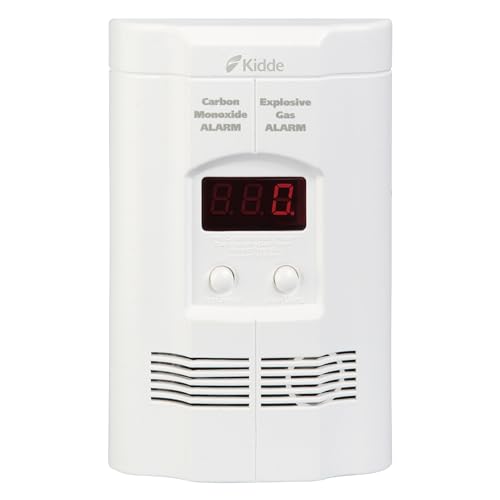
The Kidde model combines carbon monoxide detection with explosive gas sensing in a single plug-in unit. It runs on 120V power and includes a 9V battery backup for power outages. The digital LED display shows CO levels or can indicate the presence of gas (“GAS”). This makes it a strong choice for households with frequent outages or where digital clarity is valued. Best for travelers or renters who prefer a straightforward, plug-in solution that continues to function during an outage.
Best for: Homes with reliable outlet access and a need for a visible gas alert indicator. Caution: The unit relies on power from a standard outlet, so placement should avoid high-traffic zones that may cause accidental unplugging.
First Alert GCO1CN Combination Alarm

This model blends explosive gas (propane/natural gas) and carbon monoxide detection with a backlit digital display that shows current and peak readings. It’s designed for versatile monitoring where multiple gas sources may be present, making it ideal for homes near gas lines or appliances. The ability to mute remotely is convenient for busy households that frequently run appliances. Best for: Homes needing clear, continuous gas and CO visibility with an easy-to-read display. Caution: Remote muting depends on compatible remotes or devices; verify compatibility before relying on the feature.
X-Sense 2-in-1 Detector (SC06, 10-Year Battery)

The SC06 is a 2-in-1 smoke and CO detector with a ten-year sealed battery, eliminating battery changes for the life of the unit. It’s a solid pick for places where frequent maintenance is impractical, such as rental properties or multi-unit buildings. Note that SC06 is a standalone unit and does not support wireless interconnection unless you upgrade to SC06-W for interconnection. Best for: People seeking long-term battery life and a straightforward, non-wired installation. Caution: Not suitable for multi-alarm interconnection without upgrading to a related model.
First Alert SMCO100 Battery-Operated Alarm (3-Pack)

This three-pack offers battery-operated combination protection, aligning with budget-conscious buyers who want to cover multiple rooms or rental units efficiently. It features First Alert’s precision detection, designed to reduce nuisance alarms while providing reliable 2-in-1 protection against smoke and CO. Best for: Homeowners or landlords needing multiple, easy-to-install units with dependable detection. Caution: Battery operation means you’ll need to monitor and replace batteries over time, though the units are designed for long life.
X-Sense XP0H-WN Wireless Alarm (3-Pack)

The XP0H-WN is designed for wireless interconnection, enabling all alarms to sound together when one detects danger. It does not have built-in Wi-Fi but supports Link+ interconnection across up to 18 devices. A remote test or silence option (sold separately) provides convenience—especially for multi-story homes or households with accessibility needs. Best for: Homes seeking scalable, interconnected protection without a full smart-home network. Caution: Interconnection works within the X-Sense ecosystem; verify compatibility with existing devices when adding newer units.
First Alert SMICO100 Battery-Operated Alarm (3-Pack)
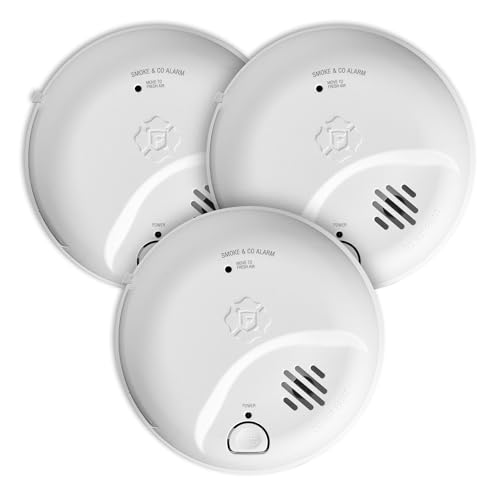
SMICO100 provides a compact 2-in-1 smoke and CO monitoring with a battery-powered design. Precision Detection helps minimize cooking nuisance alarms while delivering early warnings for potential fires. It’s well-suited for budget-conscious buyers looking to cover several rooms or apartments. Best for: Value-focused households needing reliable dual-detection across multiple rooms. Caution: Battery life depends on usage; monitor for end-of-life signals and plan replacements accordingly.
First Alert SMCO210 10-Year Sealed Battery Alarm

SMCO210 pairs a 10-year sealed battery with 2-in-1 protection against smoke and CO. The sealed battery design eliminates routine replacements and lowers maintenance. It’s suitable for users who want a maintenance-free, long-lasting solution in single-room or compact-space applications. Best for: Busy households seeking a long-life, low-maintenance alarm. Caution: While sealed batteries reduce maintenance, you cannot replace the battery at the end of life; you will need to replace the entire unit when it reaches end-of-life.
Buying Guide: Key Considerations For 3-in-1 Alarms
- Sensor Type And Coverage: Look for photoelectric or dual-sensor designs for reduced nuisance alarms and reliable CO detection. Consider whether you need explosive gas or natural gas detection as part of the alert mix.
- Power Source: Decide between plug-in with battery backup, 10-year sealed battery, or standard battery operation. Sealed-battery units minimize maintenance but cannot be reset after end-of-life.
- Interconnection: If you want multi-room protection, check whether the alarm supports wireless interconnection or requires a separate base station. In interconnected setups, one detection triggers all alarms.
- Display And Alerts: A clear digital backlit display helps you read gas and CO levels quickly. Consider models with audible and visual indicators that remain accessible during outages.
- Placement And Code Compliance: Install in sleeping areas, hallways, and kitchens, following local codes. Ensure detectors are not blocked by furniture, and avoid cooking zones that may cause false alarms.
- Maintenance And Lifecycle: Assess replacement intervals, battery requirements, and whether the unit provides end-of-life warnings. For rental properties, choose units with longer lifespans and easier maintenance.
- Budget And Coverage: If you need multiple alarms, a bundle like a 3-pack may offer the best value for covering several rooms. Compare total cost of ownership across units with similar detection capabilities.
FAQ: Quick Answers For Shoppers
- What does a 3-in-1 alarm detect? — It typically detects smoke, carbon monoxide, and a gas source such as natural gas or propane, depending on the model.
- How long do 10-year battery alarms last? — They are designed to operate for up to 10 years without battery replacement, after which the unit should be replaced.
- Can I connect multiple alarms together? — Some models support wireless interconnection, allowing all alarms to sound together during an event.
- Do plug-in alarms work during a power outage? — If they have a 9V battery backup or a sealed battery, they will continue to function during outages or power interruptions.
- Which alarm is best for renters? — A battery-operated or sealed-battery model with a long life and easy installation is typically ideal for renters who may move.
- What should I consider when placing alarms? — Place detectors in sleeping areas, hallways, and near kitchens or fuel-burning appliances, avoiding direct exposure to cooking flames or steam.