Best 2 Horsepower Sump Pumps for Reliable Basement Water Removal
Finding a sump pump with enough horsepower to handle heavy water flow is essential for protecting a home’s basement. The following selections are among the top-rated 2 horsepower or near-2HP sump pumps and close equivalents, based on performance, durability, and user reviews. Each product includes core specs and practical guidance to help you compare options quickly.
Summary of chosen products
| Product | Brand | Horsepower | Discharge | GPH |
|---|---|---|---|---|
| Multiquip Bon Submersible Electric Pump – 73 GPM | Multiquip | About 2 HP (assessed) | 2″ | ~73 GPM |
| WAYNE CDU1000 Submersible Sump Pump | Wayne | 1 HP | Bottom intake | ~6100 GPH |
| Liberty Pumps 287 1/2HP Submersible | Liberty Pumps | 1/2 HP | 1-1/2″ | ~280 GPH |
| AQUASTRONG 1HP Sewage Grinder Sump Pump | AQUASTRONG | 1 HP | 2″ | ~3962 GPH |
| Acquaer 3/4HP Submersible Sewage Pump | Acquaer | 3/4 HP | 2″ | ~6400 GPH |
Multiquip Bon Submersible Electric Pump
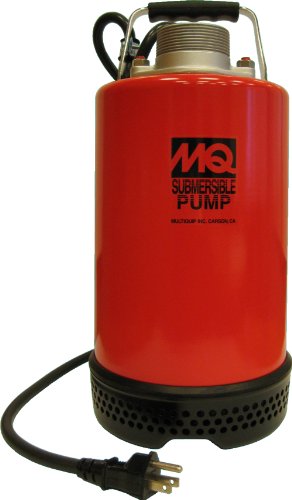
Compact design and lightweight construction are emphasized in this sump pump. Cast aluminum housing helps reduce weight while maintaining durability. The model features strain relief cord protection to guard the power cord from damage and wear. A discharge size of 2 inches aligns with common hose and piping configurations for quick setup and efficient flow. This pump is suitable for applications requiring solid performance in a compact package.
WAYNE CDU1000 Submersible Sump Pump

This 1 HP sump pump is built for heavy indoor use, with a corrosion‑resistant stainless steel motor housing and a cast-iron volute for durability. The top suction design minimizes air locks and reduces debris intake, supporting reliable operation in basements with varied debris. It’s known for straightforward installation, often completed in about 15 minutes without a need to drill a weep hole, making it a practical all‑around choice for water load management.
Liberty Pumps 287 1/2-HP Sump Pump

Liberty’s 1/2‑HP model features a one‑piece UniBody casting for strength and reliability. It comes with a quick‑connect power cord for faster installation and maintenance. Permanently lubricated upper and lower bearings reduce maintenance burdens and extend service life. While it sits in the lower horsepower range, its solid build makes it a dependable option for smaller to moderate water removal needs in home basements.
AQUASTRONG 1HP Sewage Grinder Pump

This heavy‑duty grinder pump uses stainless steel cutting blades to shred solids, preventing clogs in sewage systems and sump basins. It supports high performance with a max flow of 3962 GPH and a head of up to 46 feet. The auto operation feature is provided by a tether float switch, and a rugged cast iron base helps withstand demanding environments. It’s designed for basements and below‑grade installations where solids are present in the waste stream.
Acquaer 3/4HP Submersible Sewage Pump

Acquaer offers a 3/4 HP submersible sewage pump with 2″ NPT discharge and a 6400 GPH capacity, suitable for residential basements and sump basins. The cast iron construction, reinforced anti-clog impeller, and auto/tethered float switch provide dependable operation. This model is particularly suited for environments with solids and debris that require a robust disposal system.
Buying Guide: Key Considerations For 2 Horsepower Sump Pumps And Close Alternatives
When selecting a sump pump around the 2HP category or nearby options, buyers should balance flow capacity, reliability, and installation practicality. Here are some core factors to consider:
- Flow rate and head: GPH (gallons per hour) and vertical lift (head) determine how much water can be moved and how high it can be pumped. Higher HP often correlates with higher GPH, but layout and pit depth also matter.
- Discharge size and fittings: Common discharge sizes include 1-1/2″, 2″, and 2-1/2″. Ensure compatibility with your drainage lines and hoses to avoid bottlenecks.
- Material and durability: Cast iron and stainless steel housings resist corrosion and wear in wet basements. Aluminum is lighter but may lag in long-term durability in harsh conditions.
- Float switch type: Tethered, vertical, or integrated float switches affect automatic start/stop behavior. Choose based on pit depth and debris levels.
- Wet-well debris handling: Pumps with grinder or debris‑tolerant impellers excel in basements with solids. Consider a grinder if solids are a concern.
- Power requirements and installation: Ensure electrical compatibility (120V vs. 240V) and assess whether the unit requires a dedicated circuit. Consider ease of installation and maintenance.
- Reliability and warranty: Look for manufacturer warranties and features like quick-connect cords or minimal lubrication needs to reduce maintenance.
- Noise and efficiency: Energy efficiency and motor design influence running costs and sound levels—especially important for living spaces near the pump.
Compatibility and installation context also influence choice. For heavy-duty applications with frequent water exposure or higher water tables, a higher‑HP model with robust housing and efficient impellers generally yields better long-term performance. For basements with occasional dampness, a smaller HP unit with solid durability can be more cost‑effective. It’s advisable to assess your sump pit size, typical water input, and whether debris is common before selecting a model. Additionally, verify that the product’s warranty covers common home use scenarios and that the unit includes essential accessories like a float switch and power cord.