Best 150 Amp Feed Through Panel Solutions for Safe, Flexible Electrical Distribution
The best 150 amp feed through panel options provide robust current handling, easy through-panel connections, and reliable protection for residential, commercial, and off-grid systems. This guide highlights top choices for through-panel feeds, battery and DC distribution, and outdoor-ready setups. It helps buyers choose between panels, lugs, and related accessories based on installation environment and intended use. The following selections favor durability, simple installation, and clear, manufacturer-supported configurations for 150A through-panel applications.
Buyer takeaway table (quick reference):
- — Best for compact, high-current panel feed-through in industrial or control-panel environments.
- NanQue DC Breaker — Best for integrated protection in DC power systems (photovoltaic, battery storage, or charging stations).
- Ampper 1/4″ Stud Remote Terminals — Best for through-panel high-current power routing with flexible mounting.
- ABB TLM812RCUP — Best for outdoor load centers with main lug configurations and future expansion.
- Siemens ECMLK225 Lug — Best for sub-feed and lug-based distribution in compact panels.
PHOENIX CONTACT HDFK 50 Through-Panel Terminal Block

Best for: industrial control panels and compact DC or AC feeds requiring a single 150A through-panel connection. This Phoenix Contact block is designed for through-panel use with a screw connection and tension sleeve, offering sturdy current handling at 690V. Choose this when space is limited and you need a reliable, screw-terminal solution for high-current feeds in control cabinets.
Why selected: It provides a compact, high-current through-panel option with proven reliability from a trusted manufacturer. It’s well-suited for environments where 150A through-panel feed-through is needed without bulky components.
Caution: Ensure compatible mounting thickness and recommended torque for the tension sleeve to avoid connection looseness over time.
NanQue DC Circuit Breaker (150A) For Through-Panel Protection

Best for: DC power systems requiring reliable overcurrent protection, such as PV arrays, battery storage, or EV charging setups. This unit supports 150A with fast-acting arc extinguishment features and is suitable where DC protection is essential.
Why selected: It combines high current capacity with practical through-panel use and aligns with applications that need quick isolation and clear protection in DC circuits.
Caution: Verify compatibility with your system voltage and conductor sizing to avoid overfusing or undervalued protection in mixed-architecture panels.
Ampper 1/4″ Stud Remote Battery Terminal (150A)

Best for: through-panel power routing in DC systems where high-current stud terminals are needed, such as battery banks, solar storage, or custom racks. This pair provides a 150A continuous rating at 12V DC and fits through panels up to 0.45″ thick.
Why selected: The design supports clean through-panel installations with secure screw mounting and easy wiring paths, making it a practical choice for custom DC distribution layouts.
Caution: This solution is DC-focused; ensure your system’s voltage and terminal covers meet safety requirements for your installation environment.
ABB TLM812RCUP 125A Outdoor Load Center
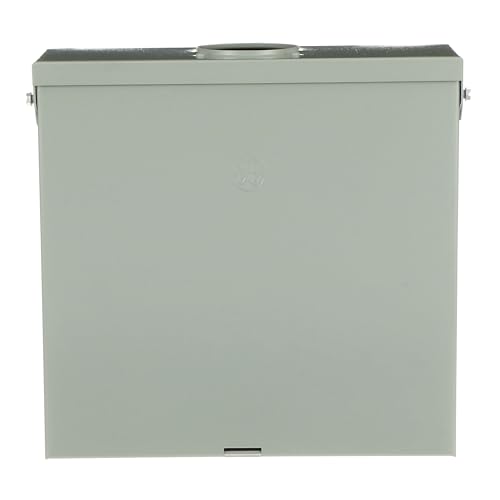
Best for: outdoor main lug load centers with flexible top or bottom feed configurations and space for up to 16 circuits. The weatherproof NEMA 3R enclosure makes it suitable for exterior installations where protection from the elements is essential.
Why selected: It provides high capacity and outdoor-ready protection with main lug configurations that support future expansion, making it practical for growth in outdoor commercial or residential installations.
Caution: Verify enclosure rating and mounting clearances in your installation site to ensure optimal performance and weather sealing.
Gen Interlock SIE-P2: Siemens/Murray 150–200 Amp Interlock Kit
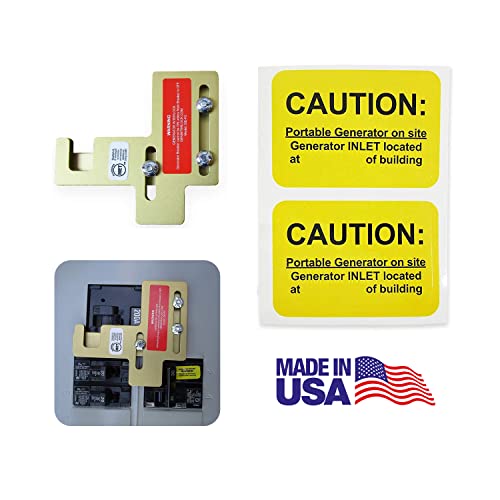
Best for: interlock or conversion-style installations where seamless switching between feeder configurations is needed, particularly when using Siemens or Murray panels. This kit supports high-current distribution with a ready-made interlock solution.
Why selected: It facilitates safe, code-compliant transitions between configurations in through-panel systems, reducing field fabrication and ensuring proper interlock operation.
Caution: Verify compatibility with your panel model and ensure proper installation per interlock kit guidelines to maintain code compliance and safety.
ABB THQMV150EP 150 Amp Main Circuit Breaker Conversion Kit

Best for: converting and upgrading main circuit protection in through-panel load centers, enabling safe expansion with a robust 150A rating. The kit includes a mounting base and supports RMS AIC up to 22,000 AIC for demanding industrial applications.
Why selected: Provides a reliable path to upgrade or modify protection in established through-panel layouts, improving safety and adaptability for evolving electrical loads.
Caution: Confirm voltage compatibility and installation requirements for the specific load center model to avoid misconfiguration.
Siemens ECMLK225 Lug, Sub Feed 150-225A
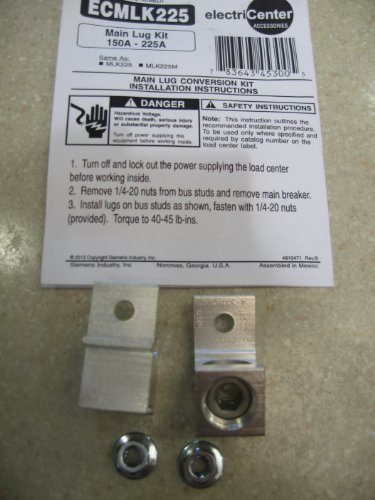
Best for: compact sub-feed distribution with lug-based connections in 150–225A ranges, ideal for integrated distribution in smaller panels where space is limited.
Why selected: It supports practical through-panel and sub-feed configurations while maintaining a compact footprint, enabling flexible panel layouts in both residential and light commercial setups.
Caution: Check the overall panel compatibility and lug torque requirements to ensure a secure, code-compliant connection.
Buying Guide: Key Considerations For 150 Amp Feed Through Panels
- Through-panel capacity — Confirm that the product you choose explicitly supports 150A through-panel or main-lug configurations. Some items are built for sub-feed or through-panel paths with different current ratings.
- Voltage compatibility — Ensure voltage ratings align with your system (AC or DC) and the intended environment (indoor vs outdoor). Some DC-specific breakers and terminals require careful voltage matching.
- Environment and enclosure — Outdoor installations need weatherproof or NEMA-rated enclosures. Indoor control panels may prioritize compact size and easy mounting.
- Connection type — Terminal blocks, lugs, and breakers offer different connection styles (screw, stud, or bolt). Choose based on conductor size, installation method, and maintenance needs.
- Expansion and configurability — Look for kits or components offering main lug to main breaker conversions, sub-feed adaptability, and future expansion potential.
- Safety and standards — Verify UL/CSA or equivalent compliance, and confirm installation guidelines to meet local electrical codes.
- Ease of installation — Components with clear mounting bases, simple through-panel pass-throughs, and labeled terminal areas reduce field errors and installation time.
FAQ
- What is a through-panel terminal block? A through-panel terminal block passes electrical connections through a panel, enabling high-current feeds to enter or exit a control cabinet or distribution panel.
- Can I mix DC and AC components in the same 150A feed through panel? Mixing is possible in some designs, but ensure voltage and current ratings are appropriate for each circuit and follow safety guidelines. Use DC-rated breakers for DC circuits.
- Is an outdoor-rated panel necessary for exterior installs? Yes, for outdoor installations a weatherproof enclosure and appropriate protection are essential to withstand the elements.
- What is the difference between a main lug load center and a main breaker load center? A main lug panel lacks a main breaker; a main breaker panel includes a main disconnect. Both can be configured for through-panel feeds, depending on the design.
- How do I choose between lug and screw-terminal options? Lug connections handle high current in heavy cables, while screw terminals can simplify field wiring and maintenance in compact layouts.