Best 12 Volt Solar Water Pump Options for Efficient Hot Water Circulation
For remote solar heating systems, livestock water needs, or off-grid domestic setups, a 12-volt solar water pump offers reliable circulating power without a heavy electrical draw. This guide highlights top models designed for potable water circulation, solar compatibility, and quiet operation. Each selection emphasizes durability, ease of installation, and compatibility with standard hoses and fittings. Explore practical options that balance flow rate, lift height, and energy efficiency to help keep hot water systems or solar loops running smoothly in sunny environments.
Summary of Selected Products (key specs at a glance):
– bayite BYT-7A014A DC 12V Solar Hot Water Heater Circulation Pump — 2.1 GPM, 9.8 ft head, brushless, low-noise operation.
– US SOLAR PUMPS.COM 12VDC Solar Hot Water Pumps — up to 3.0 GPM, 3 m head, high-temperature tolerance.
– DACO MIN 14A DC 12V Solar Water Pump — 3.43 GPM, 19.6 ft lift, ultra-quiet brushless motor.
– bayite BYT-7A006 DC 12V Solar Hot Water Heater Circulation Pump — 2.1 GPM, 9.8 ft head, compact design.
– bayite BYT-7A015 DC 12V Solar Hot Water Heater Circulation Pump — 2.1 GPM, 9.8 ft head, with power supply adapter included.
bayite BYT-7A014A DC 12V Solar Hot Water Heater Circulation Pump
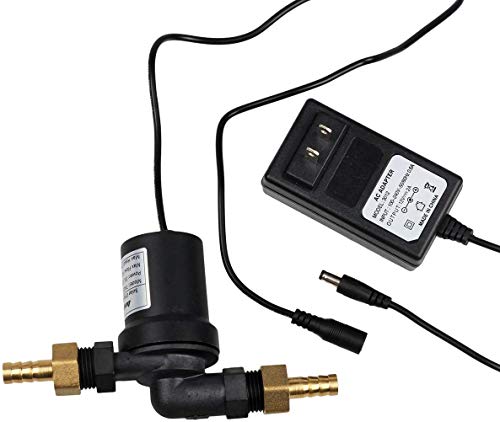
The bayite BYT-7A014A is a non-self-priming circulation pump rated for 12V DC operation, designed to move hot water in solar heating loops or compact solar setups. It delivers up to 2.1 GPM and can achieve a maximum discharge head of 9.8 feet, making it suitable for rooftop solar systems or small-tank circulation. The pump uses a brushless motor for smoother, quieter performance, with an impressive service life of about 30,000 hours. A 1/2″ male thread and brass coupler with a 10 mm outer diameter simplify connections to standard piping. A 2.1 mm x 5.5 mm plug is used for power. A DC 110V to DC 12V adapter is included in the package, easing installation in off-grid settings.
Key benefits include low noise—about 30 dB at 1 meter—and reliable operation in moderate-temperature solar loops. It is ideal for homeowners seeking a compact, dependable pump to circulate heated water in small solar or emergency-heating configurations. Consider flow requirements and head height when integrating this pump into a solar loop to ensure optimal performance.
US SOLAR PUMPS.COM 12VDC Solar Hot Water Pumps

This 12V DC solar water pump is designed for hot water circulation with compatibility for solar and battery-powered systems. It handles higher temperatures up to 230°F (110°C) and can operate against system pressures reaching 10 bar (actual max 20 bar). With a max flow of 12 L/Min, it provides robust circulation for solar loops in mid-sized applications. The pump uses a PPS, food-grade impeller, and is described as low-noise, making it suitable for quiet installations in homes or sheds. It supports a wide operating voltage range (6–24V), which accommodates various solar battery configurations and regulator setups.
Applications span solar-heated domestic hot water systems, remote cabins, or small irrigation setups where steady circulation is required. Its three-phase ECM brushless motor design emphasizes durability and consistent performance under sustained operation. When selecting this model, consider the required head and flow against your solar panel output and storage capacity to maximize efficiency and avoid over-pumping.
DACO MIN 14A DC 12V Solar Water Pump

The DACO MIN 14A DC 12V solar water pump delivers a higher flow with up to 3.43 GPM and a lift of about 19.6 feet, making it well-suited for solar hot water loops that require stronger circulation. It includes a 2.1 mm x 5.5 mm electrical plug and 1/2″ male threading for easy piping connections, along with brass couplings (10 mm OD) for tight, leak-resistant seals. The pump is described as ultra-quiet due to its brushless motor, a factor beneficial for residential or quiet commercial settings. A power adapter is included, simplifying plug-and-play installation in systems that rely on an AC-to-DC supply.
When evaluating this option, assess the solar panel output and battery capacity required to sustain a 3.43 GPM flow, especially in cooler climates where solar availability may fluctuate. This model balances higher flow with quiet operation, which is advantageous for small solar-heated spaces that demand reliable circulation without noisy equipment.
bayite BYT-7A006 DC 12V Solar Hot Water Heater Circulation Pump

The bayite BYT-7A006 shares core design elements with other 12V bayite models: non-self-priming operation, 2.1 GPM maximum flow, and 9.8 ft maximum discharge head. It features 1/2″ male thread connections and a 10 mm brass coupler, with a 0.7 A rated current. The pump uses a brushless motor for low-noise operation and a long service life around 30,000 hours. It does not include a power adapter, so installation requires an external 12V power source or compatible adapter. The package is compact, making it suitable for tight solar loop installations or small-scale solar water heating projects.
Installation considerations include ensuring adequate power supply and verifying hose compatibility with standard PVC fittings. This model is a solid choice for users who already have a 12V power source on hand or who want to integrate with a custom solar power setup where adapters are supplied separately.
bayite BYT-7A015 DC 12V Solar Hot Water Heater Circulation Pump

The bayite BYT-7A015 model provides a complete package for solar hot water circulation, including a DC power supply adapter. It maintains the familiar 2.1 GPM max flow and a 9.8 ft discharge head, with a 1/2″ male thread and brass coupler (10 mm OD). The brushless motor delivers low-noise performance (about 30 dB at 1 meter) and a long service life around 30,000 hours. This variant is well-suited for installers who want a turnkey solution with an included adapter, reducing the number of separate components needed for setup.
Key considerations include the availability of a stable 12V source or a suitable charging regulator, the environment’s heat exposure, and the compatibility of pipe fittings with existing solar loop hardware. Its compact size and integrated adapter make it a convenient choice for straightforward, plug-and-play installations in smaller solar water heating configurations.
Buying Guide: Key Purchase Considerations
- Flow rate vs. head: Higher flow rates (GPM) require sufficient lift and head pressure. Match your solar loop length, tank height, and piping losses to the pump’s rated head to avoid cavitation and reduced performance.
- Power source and compatibility: Most 12V pumps are designed for direct battery or solar panel connections. Some include adapters; others require external power supplies. Confirm voltage range (6–24V in some models) and ensure compatible regulators or charge controllers.
- Material and fittings: Look for 1/2″ male threaded outlets and brass couplers for leak-resistant seals. Check the outer diameter of couplers (10 mm) to ensure compatibility with existing hoses and PVC piping.
- Motor type and noise: Brushless DC motors offer longer lifespans and quieter operation, which is desirable for residential or office-adjacent installations.
- Temperature and pressure tolerance: If circulating hot water, confirm max working temperature (some units handle up to 230°F) and system pressure ratings to prevent overheating or damage in high-pressure loops.
- Installation considerations: Non-self-priming pumps require proper priming methods and orientation. Some models include adapters or power supplies, which simplifies setup. Plan for secure cable routing and weatherproof mounting in outdoor solar configurations.
- Reliability and longevity: Look for pump life estimates (around 30,000 hours for many models) and manufacturer guidance on maintenance intervals. A longer service life reduces total cost of ownership in off-grid applications.
- System integration: Ensure compatibility with solar panels, battery banks, and charge controllers. For solar heating systems, coordinate pump performance with solar collector efficiency and storage tank strategy to optimize energy use.