Best Battery-Operated Marine Carbon Monoxide Detectors for Travel and Home
If you need reliable, battery-powered carbon monoxide detection for boats, RVs, hotel stays, or home use, these devices offer portable safety without wiring. The best options provide easy installation, clear audible alerts, and low-battery indicators. This guide highlights five top performers, explains who each is best for, and helps you compare features quickly for informed buying decisions.
Summary of chosen products at a glance:
| Product | Best For | Key Benefit | Notes |
|---|---|---|---|
| Kidde Carbon Monoxide Detector (3rd Edition) | Travelers and homes needing portability | AA battery-powered, low-profile design | LED indicators; easy wall or tabletop placement |
| First Alert CO400 | Families seeking dependable, simple operation | Battery-powered with long monitoring during outages | Advanced electrochemical sensor |
| Kidde COBDL | Early warning in low-CO environments | Low-level CO detection, backlit display | Portable and travel-friendly |
| Kidde COB | Travelers needing compact design | Portable, travel-ready with AA power | Simple testing and silencing |
| Kidde 30CUDR (Smoke/CO combo) | Homes and boats needing multi-safety | 2-in-1 detection for smoke and CO | AA-powered, reduces false alarms |
Kidde Carbon Monoxide Detector, 3rd Edition
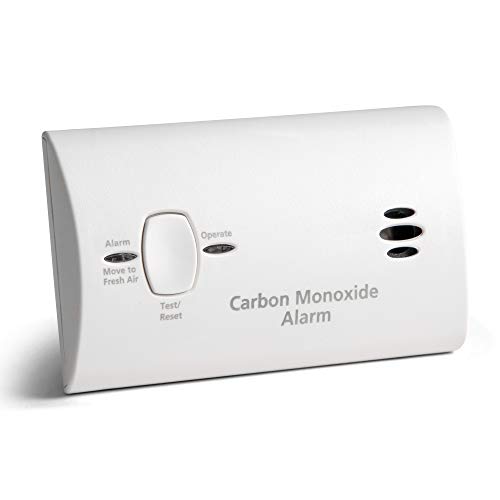
The 3rd Edition Kidde detector uses an electrochemical sensor to detect CO and operates on 2 AA batteries, ensuring function during power failures. It can mount on a wall or sit on a tabletop, with a green LED indicating power and an 85 dB alarm with a red LED when CO is present. Best for travelers who want a compact, easy-to-use unit for hotel rooms or small living spaces.
Best for: small apartments, hotel stays, and boats where a simple, battery-powered detector is preferred. Limitation: lacks advanced low-level CO features found in some newer models, but provides reliable basic safety and portability.
First Alert CO400 Carbon Monoxide Detector
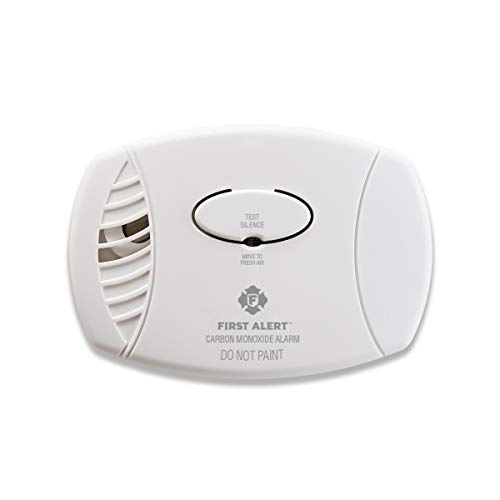
The CO400 provides continuous battery-powered monitoring with an electrochemical sensor, ensuring operation during outages. A loud 85 dB alarm accompanies a dedicated test button and a replaceable battery option. Best for families seeking straightforward operation and dependable performance in homes or RVs.
Best for: homes requiring reliable battery operation during blackouts. Caution: battery checks and replacement are essential to maintain protection over time.
Kidde COBDL Carbon Monoxide Detector

COBDL monitors CO with a focus on low-level detection and features a backlit display plus a test/hush button for quick checks. It operates on AA batteries and is ideal for travelers and campers who want early warning and a clear hazard indicator. Best for: environments where early signal matters, including spaces with vulnerable occupants.
Limitation: low-level alerts may be less noticeable in very noisy or very small spaces without proper placement.
Kidde COB Battery Powered CO Alarm

This battery-powered unit is compact for travel and provides a straightforward 85 dB alarm with LED indicators. It’s a solid choice for people who want a portable CO detector with simple operation and quick setup. Best for: travel, hotel stays, and small vacation rentals where wiring isn’t practical.
Caution: ensure batteries are fresh and replaced promptly to preserve continuous protection.
Kidde Carbon Monoxide Detector with LEDs
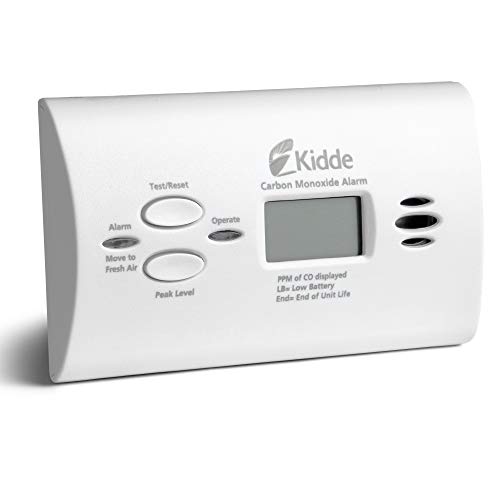
This detector features an electrochemical sensor, 2-AA battery operation, and a portable wall-or-table placement design. It offers quick setup and a visible LED indicator, making it suitable for both travel and home. Best for: users who want simple power backup and a portable CO alarm with visual status cues.
Buying Guide: Choosing the Right Battery-Operated Marine CO Detector
- Power source and portability: If you need to move the detector between a boat, RV, hotel, or home, prioritize AA battery-powered models for true portability and independence from shore power.
- Sensor technology: Electrochemical sensors are standard and reliable for CO detection. Look for models with low-level CO detection if you want earlier warnings for vulnerable occupants.
- Alerts and indicators: A loud alarm (85 dB or higher) plus a clear LED indicator helps in noisy environments. A backlit display can aid in reading status in dim areas.
- Placement options: Wall-mount capability or tabletop placement adds flexibility for boats and travel accommodations. Ensure the unit is mounted where the alarm is audible in sleeping areas.
- Maintenance and battery life: Choose detectors with easily replaceable batteries and straightforward test/hush functions to simplify maintenance while traveling.
- Multiple units: For larger boats or homes, consider a two-pack or two detectors placed in separate zones to reduce false alarms and improve coverage.
Frequently Asked Questions
- How long do battery-operated CO detectors last on a single set of batteries? Most models rely on standard AA batteries and last months to a year, depending on usage and alarm activity.
- Do these detectors work during a power outage? Yes. Battery-powered CO detectors continue to operate during power failures because they rely on internal batteries.
- Can I use a CO detector on a boat or in a marine environment? Yes, battery-operated units are portable and suitable for boats, RVs, and travel accommodations. Ensure proper placement away from moisture and heat sources.
- Should I use a combination smoke and CO detector? A 2-in-1 unit provides convenience, but ensure it’s suitable for your space and maintenance routine. Separate CO detectors can offer faster response for CO alone.
- What should I do if the detector sounds an alarm? Evacuate to fresh air and call emergency services if symptoms accompany the alarm. Replace batteries if the unit flags a low battery or test again after replacement.
- How do I test these detectors? Use the built-in Test/Hush button as instructed in the device manual to confirm the alarm and indicator functions work properly.