Best RV Wind and Solar Power Systems for Off-Grid Freedom
Finding the right combination of wind and solar power for an RV means balancing efficiency, durability, and ease of use. This guide highlights five top Amazon options that cover solar panels, wind turbines, and hybrid controllers suitable for off-grid living on the road or at a campsite. Each pick targets specific buyers: full off-grid travelers, occasional campers needing compact setups, and RV owners seeking reliable all-day power. The following sections compare features, best-use scenarios, and practical caveats to help you decide.
Quick Reference: Chosen Products
- VEVOR 12V 600W Solar Wind Power Kit (2x100W Panels, 400W Wind, 100Ah LiFePO4, 1000W Inverter)
- Pikasola Wind Turbine Generator Kit 400W 12V (5 Blade) with Charge Controller
- Renogy 200W 12V Monocrystalline RV Solar Panel Kit with Adventurer Controller
- HUIZHITENGDA 48V, 10000W Wind Turbine Vertical Kit
- 20000W Vertical Wind Turbine Generator Kit, 220V (Marine/RV/Home)
VEVOR 12V 600W Hybrid Power Kit

Best for: RV owners or small homes that need a combined solar-wind setup with a robust battery bank. This kit combines two 100W solar panels, a 400W wind turbine, a 12.8V 100Ah LiFePO4 battery, a 1000W inverter, and an MPPT hybrid controller. The integrated design supports off-grid operation with a single system architecture, making it a practical all-in-one solution for campers who prioritize reliability and simple installation.
Why it’s selected: The kit offers a high-energy yield from both sun and wind, with a focus on durable components and modular expansion. The LiFePO4 battery improves cycle life and safety, while the MPPT controller helps optimize charging under varying weather conditions. It is an effective choice when space and weight are manageable for an RV setup.
Caution: The combined weight and size may be challenging for smaller RV roof spaces; verify mounting clearance and weight ratings before installation.
Pikasola Wind Turbine Generator Kit 400W

Best for: RVs and boats needing a compact wind solution that starts in light breezes. The kit features a 23.8-inch blade length, nylon-carbon fiber blades for durability, and a 3-phase generator. It’s well-suited for users who want a lightweight, relatively quiet wind option that can supplement solar during gusty conditions.
Why it’s selected: Longer blades produce more power, and the design emphasizes corrosion resistance and waterproofing—important for marine or outdoor use. The included charge controller supports efficient energy transfer to storage, making it a practical choice for hybrid solar-wind systems.
Caution: The 400W output is weather-dependent; expect variability based on wind speed and installation height. Ensure appropriate mounting and guying for stability.
Renogy 200W RV Solar Panel Kit
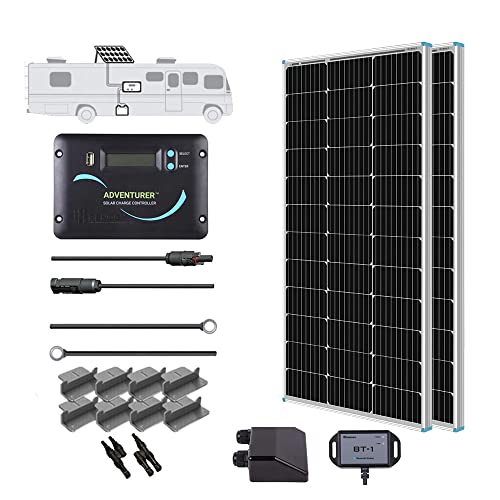
Best for: RVers seeking a compact solar-first setup with solid efficiency and a straightforward controller. The kit includes a 200W monocrystalline solar panel, a 30A PWM Adventurer controller, and mounting brackets. It’s a solid foundation for daily RV power needs with room to expand to additional panels.
Why it’s selected: Renogy combines efficiency with durability. The MOSFET protection and corrosion-resistant frame support outdoor use, and the 800Wh daily output estimate is realistic under favorable sun exposure. It’s ideal for smaller RVs or users who want a clean, scalable system.
Caution: PWM controllers can be less efficient than MPPT in variable sunlight. Consider upgrading to an MPPT controller if you plan aggressive expansion or shading conditions.
HUIZHITENGDA 48V 10000W Vertical Wind Turbine

Best for: RVs or small homes needing a high-wower wind solution capable of delivering substantial energy in stronger wind zones. The vertical turbine design aims for reduced noise and a flexible direction response, suitable for rooftops and higher-wlying installations.
Why it’s selected: The coreless permanent magnet generator and fiberglass blades emphasize durability and long life. Low vibration and aerodynamic blade design contribute to stable output in varying wind directions. It’s a strong option where wind is the dominant resource.
Caution: Large 10kW systems require careful structural assessment and proper electrical integration with other power sources. Verify roof load limits and local code compliance before installation.
20000W Vertical Wind Turbine Generator Kit

Best for: Large off-grid installations where wind is a reliable energy source and residents need significant power generation for RVs, boats, or remote homes. This 20kW vertical turbine is designed for robust energy throughput and hybrid solar compatibility.
Why it’s selected: The durable nylon fiber blades and aerodynamically optimized design offer strong performance in diverse wind conditions. The system is suitable for high-demand users who can accommodate larger hardware and integration with solar or storage.
Caution: This is a high-capacity turbine that may require specialized mounting, electrical integration, and local permitting considerations. It’s not ideal for compact camper setups with limited roof space.
Buying Guide: Key Considerations For Hybrid RV Power Systems
- Power needs and site conditions: Assess daily energy consumption and typical wind speed. Hybrid systems should align with your typical sun and wind exposure.
- System footprint and weight: Larger wind turbines and battery banks demand more roof or ground space and structural support. Plan for weight distribution on an RV roof or deck.
- Battery chemistry and lifespan: LiFePO4 offers long cycle life and safety. Check expected cycles and charging efficiency when sizing storage.
- Charge control: MPPT controllers maximize energy capture, especially in fluctuating conditions. PWM controllers are simpler but may underperform in variable sun.
- Durability and weather resistance: Outdoor equipment should tolerate UV exposure, temperature swings, and humidity. Look for corrosion resistance and robust mounting hardware.
- Noise and vibration: Turbines generate varying levels of sound. Consider placement height and proximity to living spaces if noise is a concern.
- Electrical integration: Ensure appropriate wiring, fusing, and safety disconnects when combining wind and solar with storage and inverters.
- Expandable design: Choose components that allow future upgrades, such as adding more panels or larger storage capacity as needs grow.
FAQ
- Can I run an RV entirely on wind power? Generally not alone; wind works best with solar as a hybrid approach, especially in mixed climates.
- What is the typical life of RV solar panels? High-quality monocrystalline panels commonly last 25+ years with gradual efficiency loss.
- Is LiFePO4 a safer battery option for RVs? Yes, LiFePO4 is known for thermal stability and long cycle life compared to other lithium chemistries.
- Can I upgrade later? Yes, many kits are modular and designed for future expansion of panels, turbines, or storage.
- What maintenance is required? Regular inspections of seals, mounting hardware, and electrical connections help maintain performance.