Best Water Meter Sensor Reader Buyers Guide: Top Picks for Home, Garden, and Lab Use
Answer: A water meter sensor reader helps you quickly verify moisture, detect leaks, and monitor water quality across homes, gardens, and DIY projects. This guide highlights five versatile options best suited for homeowners, plant lovers, hobbyists, and professionals who need clear readings and reliable results. Each product is evaluated for ease of use, accuracy, and practical limitations to help you choose confidently.
| Product | Best For | Key Benefit | Limitations |
|---|---|---|---|
| General Tools MMD4E Digital Moisture Meter | Homeowners, mold prevention | Audible/visual alerts, backlit LCD | Pins required; limited depth |
| General Tools Digital Moisture Meter MMD7NP | Wall and surface inspection | Pinless, non-invasive | Less depth reading accuracy for deep structures |
| Hathdia Soil Moisture Meter | Gardeners, potted plants | No batteries needed; quick soil readings | Single probe; may require re-calibration |
| MEXYBE 4-in-1 TDS/EC/Temp Meter | Drinking water and aquariums | Integrated TDS, EC, and temperature | 4-in-1 readings; requires calibration |
| UNIWA 2-Pack Soil Moisture Meters | Indoor/outdoor plant care | No batteries; portable | Basic readings; dual-pack |
General Tools MMD4E Digital Moisture Meter
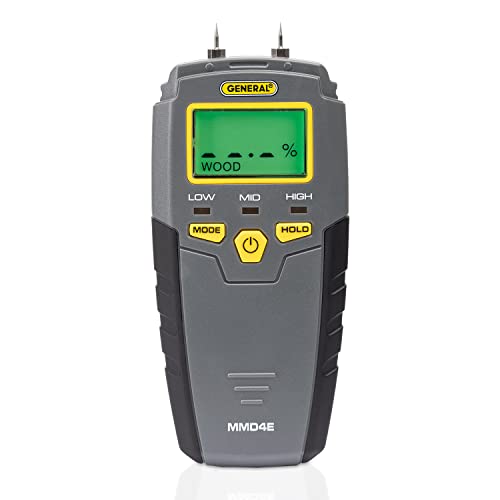
The MMD4E moisture meter is a pin-type tester designed to locate moisture in wood, drywall, and other building materials. It uses a backlit LCD display with audible and visual alerts for high, medium, and low moisture levels, helping identify remediation needs quickly. Best for homeowners performing mold prevention or early leak detection in walls and ceilings. A limitation is the need to insert pins, which can leave small marks on sensitive surfaces.
Who it’s best for: home inspectors, DIY homeowners, and renters who need immediate moisture readings and visible alert signals. Why selected: its simple interface and practical moisture indicators support rapid decision-making for moisture-related issues. Caution: pin-based testing can damage delicate surfaces; consider using where pins won’t be a concern.
General Tools Digital Moisture Meter MMD7NP

The MMD7NP is a pinless, non-invasive moisture meter that reads up to 53% moisture in softwood and 35% in hardwood, with a broad range suitable for drywall and masonry readings. It includes a 2″ diagonal backlit LCD, a 3-color LED bar graph, and audible alerts. This option is ideal when you must test without marring surfaces. A potential limitation is shallower depth on some materials compared to pin-type testers.
Who it’s best for: contractors and homeowners who want quick, surface-level moisture checks without leaving marks. Why selected: its non-invasive design is well-suited for assessing walls and furniture without puncturing. Caution: not ideal for thick or deeply embedded moisture in dense materials.
Hathdia Soil Moisture Meter
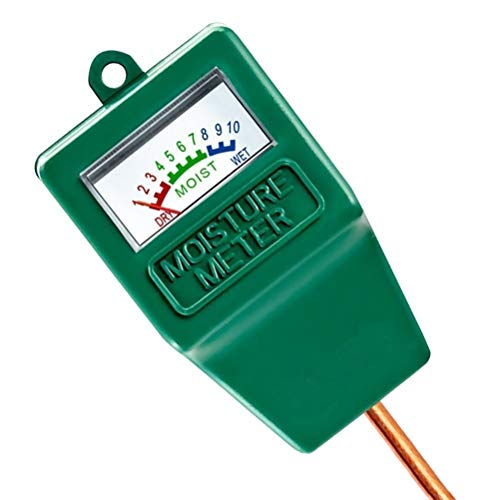
This soil moisture meter uses a single probe to test moisture levels directly in soil, making it a simple tool for gardeners. No batteries are required, and readings appear on a moving indicator pointer that users can interpret quickly. It’s best for potted plants and in-ground beds when you want an immediate sense of wetness. Limitation: single-probe design may not capture complex moisture patterns in large areas.
Who it’s best for: home gardeners and plant lovers who need a simple, battery-free tool to guide watering. Why selected: straightforward use, immediate feedback, and portable design suit plant care routines. Caution: test accuracy can vary with soil composition and compaction.
2026 All-New 4 in 1 Tds Meter by MEXYBE

The MEXYBE TDS meter provides a 4-in-1 readout: TDS (ppm), EC, and temperature in both °C and °F. It features a high-precision chip, a titanium alloy probe, backlit LCD, auto-lock, and auto-off after 2 minutes. Best for drinking water quality checks, RO/DI systems, and aquariums. A caution is that calibration may be needed for best accuracy, and readings can drift with temperature and sample type.
Who it’s best for: hobbyists and professionals needing reliable, multifaceted water quality readings. Why selected: 4-in-1 capability covers common water testing needs in one compact device. Caution: ensure proper calibration and probe care to maintain accuracy over time.
UNIWA Soil Moisture Meter, 2-Pack
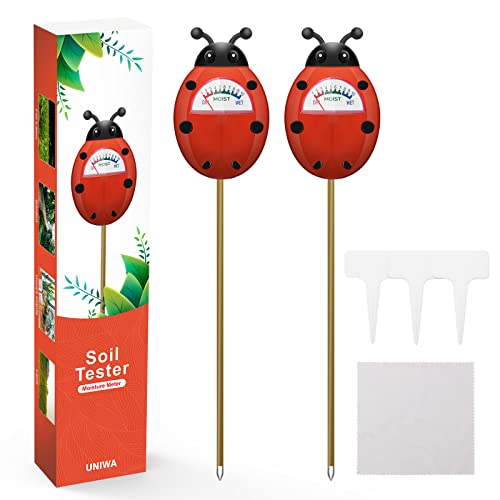
The UNIWA 2-pack provides battery-free, portable soil moisture meters with double-needle detection for quick readings. Designed for indoor and outdoor use, these meters help gardeners decide when to water. Best for those who want a spare reader or multiple plant zones. Limitation: basic readings may be less precise than digital meters; readings depend on soil conditions.
Who it’s best for: plant caretakers and hobbyists seeking a simple, no-fuss way to monitor soil moisture at multiple pots or garden beds. Why selected: two meters in one package offer value for monitoring several plants. Caution: avoid relying solely on these for precise irrigation control in commercial settings.
XLUX Long Probe Deep Use Soil Moisture Meter

The XLUX meter features a long 5.5-inch probe designed for deeper pots and larger garden beds. It provides an immediate moisture reading on a large dial with a three-zone, ten-scale display. Best for larger containers and deep-rooted plants. A limitation is the potential for corrosion if left inserted for extended periods; remove after use and avoid continuous use in moisture-rich soils.
Who it’s best for: gardeners with deep pots or in-ground plants who need accurate readings at depth. Why selected: longer probe reaches deeper soil layers, improving accuracy for many outdoor setups. Caution: don’t leave the probe in soil for more than a few minutes to prevent tip corrosion.
Soil Moisture Meter for House Plants

This green-labeled meter emphasizes ease of use for indoor plants with no batteries required. It provides a clear gauge reading to help plant caregivers decide when to water. Best for casual plant owners who want a quick, simple tool. Limitation: basic readings may not reflect complex soil moisture dynamics in larger or outdoor settings.
Who it’s best for: apartment dwellers and busy plant owners seeking a low-maintenance moisture check. Why selected: battery-free, simple operation suits the occasional plant watering routine. Caution: for optimal accuracy, use on representative root zones and wipe the probe after use to keep readings clear.
Buying Guide: How to Choose a Water Meter Sensor Reader
- Purpose: Decide if you need moisture detection, soil moisture, water quality, or non-invasive surface testing. Pin-based meters are precise for small samples; pinless devices are surface-friendly.
- Depth and reach: For deep pots and thick walls, choose longer probes or 4-in-1 meters with deeper sensing capabilities.
- Display and alerts: Look for backlit displays and audible or visual alerts for quick readings in varying lighting conditions.
- Calibration: Some meters require calibration or have auto-calibration features. Consider calibration needs and maintenance when choosing.
- Surface impact: Pin-type meters may leave small holes; pinless options prevent surface damage but may be less exact in some materials.
- Battery considerations: Battery-free models simplify use but may limit features; battery-powered units can offer enhanced accuracy and longer features.
- Environment: Indoor plant care, wood/frame moisture, or water quality testing each benefit from different sensor capabilities. Align features with your primary environment.
FAQ
- What is a water meter sensor reader best used for? Answer: It helps measure moisture levels, detect leaks, and monitor water quality in homes, gardens, and equipment.
- Do I need a pinless meter for walls? Answer: Yes for non-invasive testing; it avoids wall damage but may have shallower depth readings than pin-type devices.
- Can these meters test drinking water quality? Answer: Some devices test TDS, EC, and temperature suitable for drinking water; verify the product’s intended use and calibration needs.
- How do I maintain accuracy? Answer: Calibrate as recommended, use the appropriate probe depth, and clean probes after use to prevent residue from affecting readings.
- Is battery-free always better? Answer: Battery-free meters are convenient, but battery-powered models can offer more features and broader measurement ranges in some cases.
- What should I consider for plant care? Answer: Choose a meter with a simple display, immediate readings, and a probe size appropriate for your pots or beds.