Best 50 Mile Electric Fence Chargers for Large Properties
Answering the search intent for buyers seeking long-range, reliable electric fence chargers for large properties, farms, or livestock containment. The top picks below are best for acreage owners, ranches, or homesteads with extensive fencing needs and occasional weed challenges. Each product highlights who it’s best for and why it stands out, plus a quick buying snapshot to compare capability and deployment.
| Product | Approx. Coverage (miles/acres) | Power Type | Best For | Notes |
|---|---|---|---|---|
| Zareba 50 Mile AC-Powered Low Impedance Electric Fence Charger | Up to 50 miles (ideal); up to 6 miles in heavy weeds | AC | Large fenced areas with minimal weeds | Good all-around with weed tolerance noted |
| L-FENCE LYDITE FENCE 50 Miles AC Powered | 50 miles / ~165 acres | AC | Homesites or farms with moderate weed growth | Includes sturdy casing and lightning arrester |
| ANDMON 50 Miles Solar Electric Fence Charger | Up to ~55 miles (solar) | Solar | Remote locations without grid access | Eco-friendly with 12V battery backup |
| Realpoultry S1000 1 Joule Solar Fence Charger | Up to ~50 miles (depending on setup) | Solar | Portable or remote grazing areas | 0 joule output stored; flexible solar + DC charging |
| PROOVEELLY 15.5J Electric Fence Charger | Coverage up to ~31 miles (no weeds); 600 acres range | AC/DC 2-in-1 | Large property with mixed terrain | LCD display, dual input; includes alarm |
Zareba 50 Mile AC-Powered Low Impedence Electric Fence Charger

Features: 50 mile rating in ideal conditions; up to 6 miles in heavy weed conditions. Works with all fence types, including high tensile, polywire, and polytape. This AC-powered charger is designed for larger livestock containment and predator deterrence.
Who it’s best for: Large properties with extensive fencing and sparse weed growth. Ideal for cattle, horses, goats, and pig containment where weed control is manageable.
Why selected: Strong basic long-range capability, broad compatibility, and a straightforward installation make this a reliable pick for traditional fences on bigger properties. A noted limitation is reduced effectiveness in heavy weed conditions compared to ideal weed-free setups.
L-FENCE LYDITE FENCE 50 Miles AC Powered

Features: Protects up to 100 miles/300 acres in some variants (up to 50 miles primary rating). Durable housing with a built-in lightning arrester and compatibility with T-posts or stakes. Output around 7kV pulse voltage for reliable low-impedance energy.
Who it’s best for: Ranches or farms needing long perimeter coverage with robust protection against intruders and predators. Great for larger fencing layouts and varied terrain.
Why selected: A strong long-range option with added durability. Caution: ensure compatibility with your fence type and verify weed conditions to gauge the expected miles of coverage.
ANDMON 50 Miles Solar Electric Fence Charger

Features: Delivers up to 0.95 joules with solar power, powering up to 55 miles of fence. Includes a 12V/12AH battery and a 15W solar panel, with up to 14 days of operation without sunlight. Flexible installation on various post types.
Best for: Remote grazing areas or properties without reliable electricity access. Choose this if you want a solar-powered, portable solution and have moderate weed growth.
Limitation: Solar-dependent performance can wane with extended overcast periods; ensure sufficient panel exposure and backup battery capacity for continuous fencing.
Zareba 100 Mile AC Powered Low Impedance Electric Fence Charger
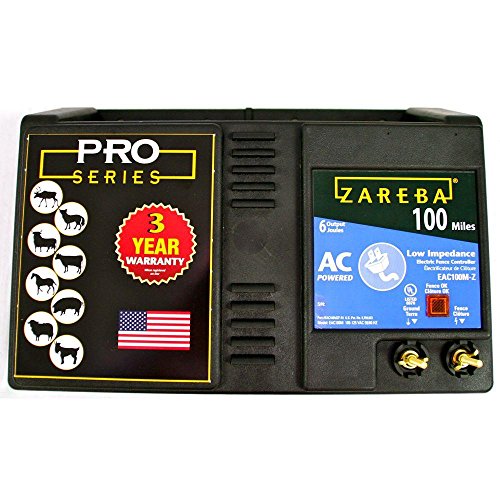
Features: 100 mile rating in ideal conditions; up to 12 miles in heavy weed conditions. Suited for all fence types, including high tensile and polytape. Powerful option for very large properties.
Who it’s best for: Landowners with exceptionally large fencing systems and low weed interruptions. Best for expansive ranches or multi-acre ranch operations.
Important note: This product exceeds the 50-mile focus but is included for users planning future expansion or who have very large parcels. Consider weed impact and energy needs in your layout.
Buying Guide
What to consider when choosing a 50 mile electric fence charger
- Coverage vs. weeds: REAL mileage depends on weed density and wire type. In heavy weed conditions, expect a fraction of the ideal miles.
- Power source: Choose AC-powered for static locations or solar for remote sites. Some models offer both as options.
- Fence type compatibility: Ensure compatibility with your fence media (high tensile, polywire, polytape) and post type.
- Security features: Look for rugged housings, lightning protection, and clear pulse voltage specifications for reliability.
- Ease of installation: Consider mounting options, backings for posts, and whether the unit is plug-in or requires battery/solar setup.
How to compare models quickly
- Best for large ranches with minimal weed interference: Look at higher ideal-mile ratings and durable enclosures.
- Best for remote locations: Solar-powered units with reliable battery backups.
- Budget-friendly long-range options: Prioritize models with straightforward installation and robust weed tolerance notes.
Practical tips for effective fencing
- Keep weed growth down near the fence lines to maximize effective miles.
- Use proper grounding and insulating materials to maintain performance over time.
- Regularly inspect fence lines for damage or loose connections that can drain energy.
Who should buy these chargers?
Farm owners with expansive fencing needs, ranchers managing large herds, and homesteaders expanding perimeter security will benefit from long-range, low-impedance energizers. Solar options are especially suited for remote fields or areas with limited grid access.
FAQ
- What determines the miles a charger can energize? The rated miles depend on fence type, wire density, and weed conditions; heavy weeds reduce effective miles.
- Can I mix charger types on one property? Yes, you can combine AC-powered and solar units to cover different sections of a large fencing system.
- Is a higher joule rating always better? Not necessarily; joule rating affects stored energy, but the real impact depends on pulse voltage and fence design.
- How do I know which model fits my fence? Check fence length, weed exposure, post type, and whether you need portability or fixed installation.
- What maintenance is required? Regularly inspect connections, test output voltage, and clear vegetation near the fence line.
- Are solar chargers viable year-round? They work best with adequate sun; include a backup battery and consider latitude and climate in planning.