Best 120v Hot Water Tank Options for Small Spaces and Quick Access
Find the right 120V hot water tank for your needs, whether you’re outfitting a small apartment, RV, or a kitchenette. This guide highlights reliable 120-volt storage heaters that install under sinks or in tight corners, with clear reasoning on who each model suits best. The top five selections balance quick heat, space efficiency, and durable design, helping you choose the best fit for showers, handwashing, and dishwashing.
| Product | Best For |
|---|---|
| VEVOR Electric Tank Water Heater, 12 Gallon | Small apartments or studios needing steady hot water for 1–2 outlets. |
| BISELONG 2.5 Gallon Under-Sink | Under-sink setups with tight space, two sinks, fast heat up. |
| ThermoMate 18 Gallon Tank Water Heater | Versatile point-of-use for kitchens or baths needing more daily hot water. |
| GE Appliances 10 Gallon Plug-and-Play | Flexible installation across kitchens, baths, RVs; easy retrofit. |
| Bosch Tronic 2.5-Gallon Mini-Tank | Under-sink use with high efficiency and compact footprint. |
VEVOR 12-Gallon Electric Tank Water Heater

Best for: Singles or couples in small apartments needing steady hot water at multiple outlets. The 12-gallon capacity pairs with a 1600W element for faster heating and reliable performance. Its extensive foam insulation minimizes heat loss, helping to maintain temperature longer between uses.
Why selected: The combination of a robust enamel interior, heat-retaining insulation, and built-in protection features (dry heating, overheat, overpressure) supports safe, long-term operation in compact living spaces. The IPX4 rating adds protection against splashes in kitchens or baths.
Limitations: The unit is designed for 1–2 outlets; larger households or higher daily hot-water demand may require a larger tank. Consider electrical capacity and installation space before purchase.
BISELONG 2.5 Gallon Under-Sink Tank
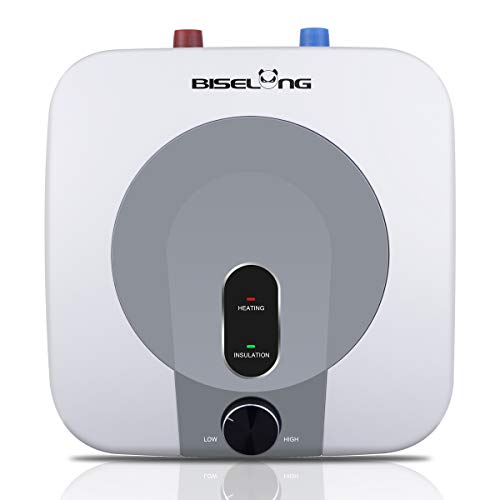
Best for: Under-sink setups and small kitchens where space is at a premium and two sinks need hot water sometimes. It’s built with a 1500W element and a compact footprint, ideal for RVs, food trucks, or compact apartments.
Why selected: The design emphasizes rapid temperature recovery and space efficiency. A smart insulation approach keeps heat in and reduces energy waste, while its sturdy stainless steel tank resists corrosion and pressure.
Caution: The compact design can limit total daily hot-water output; plan around peak usage times to avoid shortfalls between uses.
ThermoMate 18 Gallon Tank Water Heater

Best for: Homes or guest spaces needing more hot water capacity without a large footprint. The 18-gallon size supports showers, dishwashing, and washing machines in compact settings.
Why selected: A 120V, 1500W unit with an adjustable thermostat provides flexible temperature control. The INCOLOY-800 element offers corrosion resistance and longer life compared to copper at higher temperatures.
Limitation: Larger capacity means a longer initial heat time than smaller under-sink models; consider your hot-water demand profile to avoid longer waits.
GE 10-Gallon Plug-and-Play Electric Water Heater
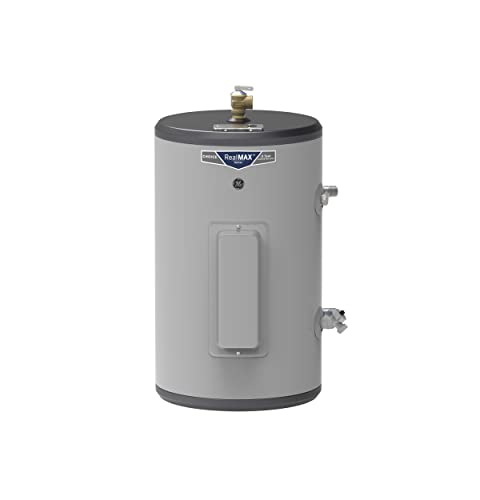
Best for: Flexible installations in kitchens, bathrooms, RVs, or garages where a compact, plug-in 120V heater is advantageous. Its 10-gallon size suits moderate daily hot-water needs.
Why selected: The design emphasizes easy installation with standard 3/4-in NPT connections and compatibility with most 120V circuits. The compact footprint supports versatile placement in small homes or cabins.
Limitation: Plug-in models may require careful electrical load planning; ensure your outlet and circuit can handle continuous hot-water demand during peak use.
Bosch Tronic 2.5-Gallon Mini-Tank
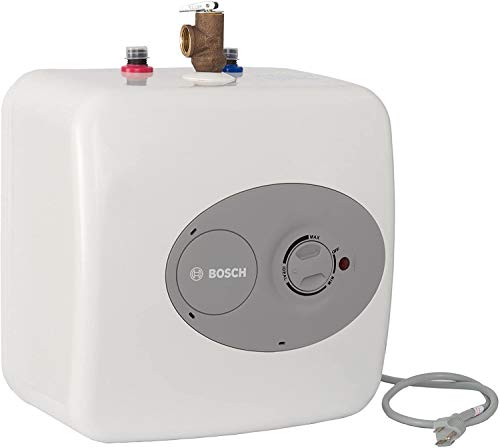
Best for: Under-sink applications where hot water is needed right at the point of use without a large installation footprint. The 2.5-gallon capacity offers quick, near-instant hot water for sinks.
Why selected: Bosch’s glass-lined tank and compact dimensions deliver reliable, long-lasting performance in a small package. The 120V operation and independent installation capability provide flexibility for various layouts.
Limitation: The small capacity means it is best for quick, light-use scenarios rather than continuous hot-water flow for multiple fixtures.
Buying Guide
What to check before buying a 120V hot water tank?
- Capacity vs. usage: Choose a tank size that matches your daily hot-water demand. Larger baths or multiple fixtures require more storage capacity.
- Space and installation: Measure available space and confirm under-sink, cabinet, or wall-mount options fit your layout.
- Heating power and speed: Higher wattage (1000W–1500W) heats water faster but may impact electrical circuit load. Consider recovery rate and how quickly you’ll need hot water after usage peaks.
- Insulation and heat retention: Thicker foam insulation reduces standby heat loss, saving energy and keeping water hot longer.
- Materials and durability: Enamel-lined or stainless-steel tanks resist corrosion and offer longer lifespans in damp spaces.
- Safety features: Look for overheating protection, dry-heat protection, and automatic shutoffs to enhance safe operation.
- Installation compatibility: Ensure your plumbing connections (NPT size) and electrical supply align with the unit’s requirements.
FAQs
- What size 120V hot water tank do I need for a single bathroom? A 6–12 gallon unit often suffices for basic handwashing and showers, depending on usage.
- Can I install a 120V heater in a kitchen cabinet? Yes, provided there is adequate ventilation, space, and electrical wiring, with appropriate clearance from heat sources.
- Is a larger tank always better for quick hot water? Not necessarily; larger tanks take longer to heat initially, but can deliver more water once hot. Match size to typical usage.
- Do these tanks require special wiring or outlets? Most require a dedicated 120V circuit; verify circuit amperage and outlet compatibility with the unit’s wattage.
- How long does it take to heat water in a 12-gallon tank? Recovery time depends on wattage, but high-wattage models heat relatively quickly, often within minutes for initial fill and subsequent draws.
- Are under-sink tanks safer for apartments? They are convenient for limited spaces and localized hot-water delivery, though careful placement and ventilation are still important.