Best 18 Inch Diameter Electric Water Heaters for Small Spaces and Quick Hot Water
If you’re shopping for an 18 inch diameter electric water heater, you’re likely balancing space constraints with the need for reliable hot water. This guide highlights five compact options that fit tight spaces while delivering consistent warmth. It’s ideal for small apartments, compact bathrooms, RV stops, and point‑of‑use setups. Each pick is evaluated for who it’s best for, with practical notes on installation and efficiency.
| Product | Best For | Key Benefit |
|---|---|---|
| Rheem 18kW 240V Tankless Electric Water Heater | Homes needing on‑demand hot water with compact footprint | Fast, self-modulating heat control |
| VEVOR 18 Gallon Tank Storage Electric Heater | Families needing steady storage hot water | Moderate capacity with LED display |
| ThermoMate 18 Gallon Point‑of‑Use | Single bathroom or compact kitchen/bath setups | Low profile; adjustable thermostat |
| GE 18 Gallon Versatile Electric Water Heater | Tight spaces with a flexible, install‑friendly option | Lowboy design for height‑constrained areas |
| Orbek 18kW Tankless Electric Water Heater | Small homes needing 2–3 fixture supply | High flow rate in a compact 18kW unit |
Rheem 18kW 240V Tankless Electric Water Heater

The Rheem unit is a compact, on‑demand solution designed for spaces where a traditional tank won’t fit. It uses advanced self‑modulation to adjust power according to hot water demand, offering up to 4.4 GPM flow and copper immersion heating elements for durability. Best for: households that need immediate hot water without storing large volumes. Caution: installation requires a dedicated 240V circuit and proper electrical clearance; ensure your home’s electrical service can handle the load.
VEVOR Electric Water Heater, 18 Gallon Tank
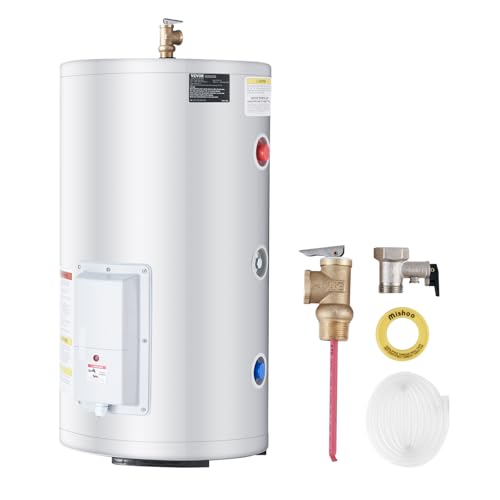
The VEVOR 18‑gallon storage heater provides a steady supply of hot water with a 1600W element and an LED display for easy temperature control. With its enamel coating and safety features, it’s a practical choice for small households that value reliable daily hot water for showers, dishes, and laundry. Best for: renters or small families needing predictable storage hot water. Caution: tank storage means some standby heat loss; consider insulation for energy savings.
ThermoMate 18 Gallon Point of Use

ThermoMate’s 18‑gallon point‑of‑use heater is designed for tight spaces with a low profile form factor. It ships with a 125°F factory setting and a thermostat adjustable to 90–150°F, making it suitable as a standalone unit or booster for a larger hot water system. Best for: kitchens, bathrooms, RVs, or off‑grid setups where you need quick, nearby hot water. Caution: limited capacity means it may not satisfy multiple simultaneous uses at higher flow rates.
Orbek 18kW Tankless Electric Water Heater

Orbek’s 18kW model delivers up to 4.17 GPM for 2–3 fixtures, with a note about 2 × 240V/40A circuit requirements and 3/4″ NPT water connections. It emphasizes energy efficiency through water‑electricity separation to reduce corrosion and scale. Best for: homes needing a compact, whole‑house hot water solution that can serve multiple outlets. Caution: professional electrical and plumbing installation is recommended due to electrical demands and wiring specifics.
Buying Guide: Key Considerations For Your 18 Inch Diameter Electric Water Heater
- Space and footprint: Confirm the unit’s height and diameter to ensure it fits the intended location. Lowboy and point‑of‑use designs can help in tight kitchens, bathrooms, or utility closets.
- Water demand and capacity: For households with multiple outlets, consider tanks with 12–18 gallons storage or tankless models rated for 4+ GPM. Tankless units excel at on‑demand usage but require proper electrical capacity.
- Electrical requirements: Tankless heaters commonly need 240V circuits and substantial amperage (often 40–75A). Ensure your electrical panel can support the installation, and hire a licensed electrician for safety and code compliance.
- Energy efficiency: Self‑modulating or demand‑auto features save energy by adjusting power to flow. Tanked storage options can incur standby heat loss; insulation helps mitigate waste.
- Installation considerations: Some models are designed as boosters for existing systems, while others are standalone. Check water connection sizes (NPT) and whether you need a dedicated vent or clearance around the unit.
- Maintenance and durability: Copper immersion elements and enamel coatings contribute to longevity and corrosion resistance. Field serviceability can be a factor for home technicians or professional service access.
- Best fit by scenario: Tankless units are excellent for continuous hot water on demand in small homes; storage tanks suit households that want a ready reserve for intermittent use. Point‑of‑use options work well for specific sinks or small apartments.
Frequently Asked Questions
- What does an 18 inch diameter refer to? It describes the physical width of the heater’s tank or unit, helping determine if it fits in narrow closets, cabinets, or wall spaces.
- Do I need special electrical work to install a tankless 18kW heater? Yes. Most 18kW tanks require 240V service, two hot legs, and specific breaker and wire sizing. A licensed electrician is advised.
- Is a storage heater better than a tankless one for small apartments? Storage heaters provide a ready reservoir of hot water, while tankless units deliver unlimited on‑demand water and can be space‑savvy. Choice depends on hot water usage patterns and space constraints.
- Can these units supply hot water to two or more fixtures at once? Some models rated around 4 GPM can handle 2–3 fixtures at reduced flow. Check the product’s flow rating against your expected simultaneous demand.
- What maintenance is required? Regular inspection of electrical connections, checking for leaks, and ensuring the heating elements or heat exchanger remain in good condition help longevity. Some units offer field serviceability for easier maintenance.
- Are these suitable for RVs or boats? Several compact models are designed for space constraints and can suit RVs or boats when installation and connection standards are met. Verify electrical and water hookups for marine or mobile use.
Selected models emphasize compact design, predictable hot water delivery, and practical installation notes. Whether you prioritize on‑demand performance or reservoir readiness, these options provide concrete pathways to reliable warm water in constrained spaces.