Best Electrical Conduit Pipe Bender Guide: Top 5 for Quick, Accurate Bends
Electricians and DIY installers often search for an electrical conduit pipe bender that delivers precise angles with minimal effort. This guide identifies five top options that balance strength, accuracy, and ease of use for common conduit sizes like 1/2″ and 3/4″ EMT. The selections cover aluminum, ductile iron, and dual-sage tools to fit professional workflows or occasional projects. The buyer types most served include seasoned electricians needing fast repeatable bends, DIYers seeking lightweight tools, and professionals who favor durable, long-life benders.
Summary table of chosen products:
| Product | Best For | Key Benefit |
|---|---|---|
| Klein Tools 51607 Aluminum Conduit Bender | Pro electricians needing repeatable accuracy | Angle Setter technology with multiple preset bends |
| IDEAL Electrical Ductile Iron Conduit Bender | Heavy daily use and higher durability needs | Long tool lifespan with strong ductile iron construction |
| TEMCo 2 in 1 Dual Shoe Conduit Bender | Budget-conscious with two sizes in one tool | Bends both 1/2″ and 3/4″ EMT from a single device |
| Gteana 1/2-Inch EMT Conduit Hand Bender Head | Lightweight, portable projects | Precision laser-engraved angle markings |
| Ideal Electrical 3/4 in. EMT Guardian Bender | Beginner-friendly with guided angle stopping | Adjustable angle stopper and bend consistency |
Klein Tools 51607 Aluminum Conduit Bender

The Klein Tools 51607 is an assembled aluminum bender designed for 3/4-inch EMT and 1/2-inch rigid conduit. It features Klein’s Angle Setter technology for time-saving, repeated accurate bends and includes an easy-to-read angle scale. The aluminum head is reinforced for added strength, and bold cast markings help with quick conduit alignment for saddle and back-to-back bends. Best for professional electricians who need reliable, repeatable results at the job site. A limitation is that aluminum heads may show wear with heavy, long-term daily use compared to steel in some environments.
Why it’s selected: This model prioritizes precision and repeatability through the Angle Setter, reducing rework on long runs. It suits professionals who bend frequently on different projects and want consistent results without re-measuring each time.
Best use case: Standard 3/4″ EMT and 1/2″ rigid conduit tasks that require quick, accurate 22.5°, 45°, and 90° bends with reduced springback adjustments. Caution: The aluminum construction, while lighter, may be less robust in extreme trade environments than heavier metal benders.
IDEAL Electrical Ductile Iron Conduit Bender with Handle
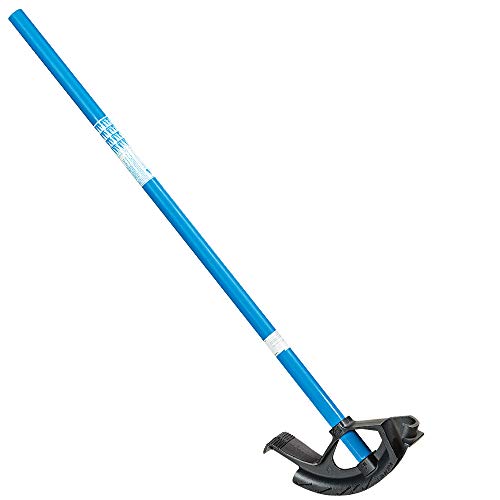
This 1-inch EMT bender by Ideal Industries uses ductile iron for high durability and strength, suitable for heavy daily use. It supports bending for 1″ EMT, 3/4″ Rigid, and IMC conduits. The tool emphasizes longevity, with metal construction designed to withstand repeated, demanding work. Best for seasoned electricians who need a robust tool for frequent installations. A potential drawback is its heavier weight compared to lighter aluminum options, which may affect maneuverability on tight sites.
Why it’s selected: It balances robust construction with reliable performance, making it a strong choice for shops or job sites where durability matters most over time.
Best use case: Continuous, long-term projects where conduit types vary and a sturdy tool is essential. Choose this if you prioritize durability over ultra-lightweight handling. Caution: Heavier heft may be less ideal for overhead or overhead-leaning bends in small spaces.
TEMCo 2 in 1 Dual Shoe Conduit Bender

TEMCo’s 2 in 1 Dual Shoe Conduit Bender combines two benders in one tool to cover 1/2″ EMT and 3/4″ EMT, using the same bend radius as standard benders. This option is ideal for electricians who frequently switch between conduit sizes and want a compact, cost-efficient solution. Best for contractors or DIYers who want versatility without adding multiple tools. Limitation: Some users may find the dual-shoe design less optimized for heavy industrial workloads compared with dedicated single-size benders.
Why it’s selected: The dual functionality reduces tool clutter and saves cost while keeping consistent angles, making it a practical choice for mixed jobs or smaller fleets.
Best use case: Projects where both 1/2″ and 3/4″ EMT bends are common. Choose this if you want a flexible mid-range tool rather than a set of single-size benders. Caution: The dual design can be slightly bulkier than a purpose-built single-size head.
Gteana 1/2-Inch EMT Conduit Hand Bender Head

The Gteana 1/2-Inch EMT Conduit Hand Bender Head focuses on lightweight aluminum construction with high-strength design. It includes precision laser-engraved angle markings for clear, on-tool reference, aiding accurate bends without extra instruments. Best for DIYers or electricians performing small- to mid-scale projects where portability matters. A limitation is that it is a head rather than a complete handle-and-body assembly, so users may require a separate handle for leverage.
Why it’s selected: Its laser-engraved markings support quick, consistent bends, and the aluminum build offers portability for overhead or tight-space work.
Ideal Electrical 3/4 in. EMT Guardian Bender

The Guardian Bender from Ideal Industries offers an adjustable angle stopper, providing locked 22-, 30-, 45-, 60-, or 90-degree bends. It includes a bend correction feature to improve consistency, and the design aims to be beginner- and pro-friendly with intuitive operation and accessible tutorials via the BILT app. Best for learners and mixed trades where straightforward, repeatable bends are needed. Limitation: The adjustable stopper adds parts to manage, which could require periodic maintenance or calibration.
Why it’s selected: The adjustable stop and correction hole support consistent results across users with varying experience, helping reduce errors on first passes.
Buying Guide: How to Choose the Right Conduit Bender
What size do you predominantly bend?
Identify whether you usually work with 1/2″ EMT, 3/4″ EMT, or larger. Some benders are single-size specialized, while others are dual or multi-size, offering flexibility at the cost of extra weight or bulk.
Material and durability matter
Aluminum benders are lighter and often adequate for on-site tasks. Ductile iron and steel options tend to be tougher for heavy daily use and long-term reliability. Consider your job-site conditions, such as transportation constraints and exposure to harsh environments.
Is angle accuracy or speed more critical?
Angle Setter technology and clearly marked heads support fast, accurate bends with less re-measuring. Tools with adjustable angle stops offer repeatable results, especially on corridor runs or multiple bends in a row.
Portability vs. leverage
Lightweight benders improve portability, but some users prefer heavier tools for leverage in tight spaces. Look for an ergonomic handle design and a wide foot pedal for stability if you perform many bends in sequence.
What is your budget and tool ecosystem?
Dual-shoe or multi-size models may reduce the need for additional tools, saving cost and space. Weigh the cost of a multi-size bender against purchasing separate single-size devices over time.
Usage scenario considerations
For overhead installations, consider lighter heads and compact profiles. For shop-based projects with consistent runs, precision features like angle setters and bend correction holes become more valuable.
Safety and compatibility
Always verify compatibility with conduit types (EMT, Rigid, IMC) and ensure you follow safety guidelines when bending near walls or ceilings to avoid kinks or failed bends.
Frequently Asked Questions
- Q: Which conduit bender is best for beginners? A: Models with adjustable angle stops and easy-to-read markings, like the Guardian Bender, guide beginners toward consistent bends and reduce rework.
- Q: Can I use an EMT bender for rigid conduit? A: Some benders support multiple conduit types, but confirm compatibility for 1/2″ or 3/4″ Rigid as needed before use.
- Q: Is aluminum lighter than iron or steel? A: Yes, aluminum is typically lighter but may be less durable under heavy daily use than ductile iron or steel variants.
- Q: Do dual-shoe benders save money? A: They offer flexibility for two sizes in one tool, potentially reducing gear clutter, but check if the bulk is practical for your workspace.
- Q: Are angle setters worth it? A: For frequent bends, angle setters improve speed and accuracy by providing repeatable reference angles, reducing guesswork.
- Q: How do you prevent springback? A: Choose a bender with a calibrated angle setter that accounts for springback and follow manufacturer guidelines for each bend type.