Best Heavy Duty Electrical Cables for Reliable Power
When you need durable, high-amperage power cables, these heavy duty electrical cables are designed for reliability. This guide highlights practical choices for data centers, home offices, and workshop setups. Each product is chosen for its core strength: heavy gauge wiring, durable insulation, and versatility across common devices. Read on to find which cable fits your equipment, from PCs and monitors to power tools and outdoor gear. The buyer-friendly table below helps compare key details at a glance.
| Product | Length | Gauge | Best For |
|---|---|---|---|
| Eaton Tripp Lite Series 15 Amp Standard 10ft | 10 ft | 14 AWG | High-powered desktops, longer reach |
| [ETL Listed] Cable Matters 2-Pack 10ft | 10 ft | 16 AWG | Outdoor/indoor flexibility, budget-friendly |
| Eaton Tripp Lite Series 15 Amp Standard 6ft | 6 ft | 14 AWG | Compact desks, nearby outlets |
| Power Cord Pigtail 16 AWG 12 Foot Open End | 12 ft | 16 AWG | DIY wiring, internal equipment connections |
| Eaton Tripp Lite Series 15 Amp Standard 3ft | 3 ft | 14 AWG | Near-outlet devices, short-distance setups |
Eaton Tripp Lite Series 15 Amp 10ft Heavy Duty Power Cord
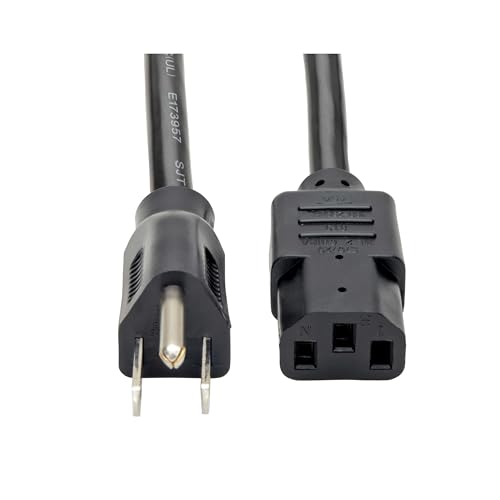
This 10-foot, 14 AWG power cord supports up to 15 amps, making it suitable for demanding PCs, monitors, printers, and other high-powered devices. It uses a NEMA 5-15P to IEC C13 configuration, aligning with standard outlets in many homes and offices. Best for: users needing extra reach without compromising amperage safety.
Why chosen: It offers a safety margin beyond typical 10-amp cords and is UL listed for reliability. A potential limitation is its longer length, which may add clutter if outlets are nearby.
Caution: Ensure outlet proximity to your equipment to avoid excess slack or tangling.
[ETL Listed] Cable Matters 2-Pack 10ft Heavy Duty Extension Cord
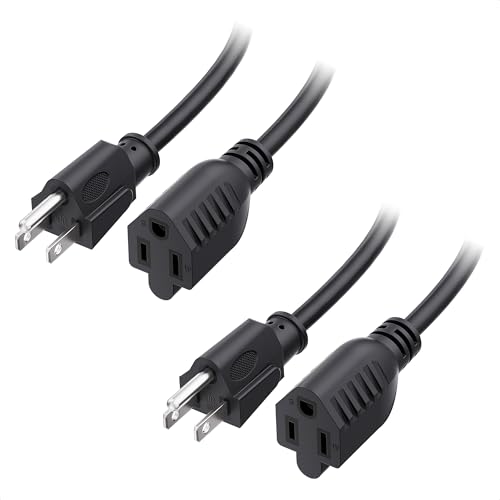
This product offers two 10-foot cords with a robust outdoor-ready build. It’s designed for indoor and outdoor use, making it versatile for garden tools, holiday lighting, and home electronics. Best for: buyers who want flexibility and multiple cords in one purchase.
Why chosen: Its weather-resistant design supports outdoor conditions. Caution: It’s lightweight for long-term high-load use; consider alternate thicker gauges for sustained power-hungry devices.
Eaton Tripp Lite 6ft Heavy Duty Power Cord

This 6-foot cord remains a strong option for compact workspaces, providing 14 AWG conductors and a 15-amp capacity. It fits typical computer setups, monitors, printers, and speakers with a stable power path. Best for: desks with outlets just beyond reach but not far from the equipment.
Why chosen: Shorter length helps minimize clutter and reduces trip hazards. Caution: If outlets are farther than 6 feet, a longer cord may be more practical.
Power Cord Pigtail 16 AWG 12 Foot Open End
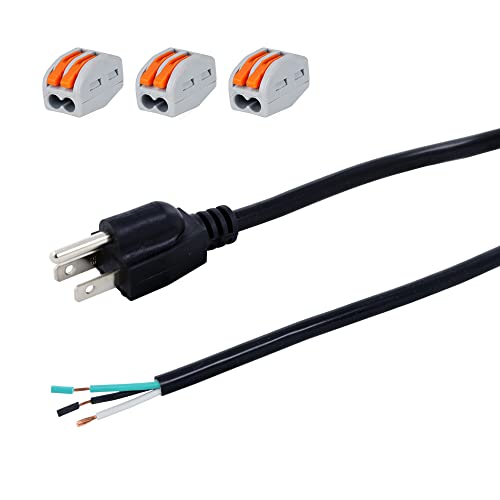
This 12-foot 16 AWG pigtail is designed for DIY wiring and internal equipment connections. It’s suitable for repairing or creating pigtail connections in power tools and appliances. Best for: technicians or hobbyists doing inside-device wiring or replacement tasks.
Why chosen: It ships as an open-end wiring solution, simplifying internal connections. Caution: Not a ready-to-plug 120V cord for typical consumer devices without proper termination or enclosure.
LCMLA 9.8ft 12 Gauge 3 Prong Heavy Duty Power Cord
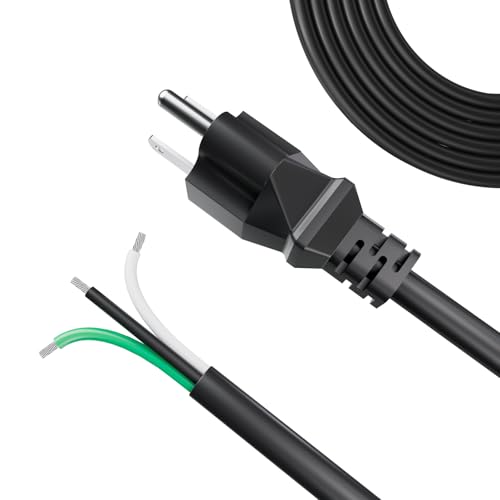
This 9.8-foot, 12 AWG cord uses a 3-prong NEMA plug and is designed for high-load tools and appliances. It supports a wide voltage range and is suitable for shared workspaces, garages, and studios. Best for: users needing stronger gauge for power tools or equipment drawing higher current.
Why chosen: The 12 AWG rating provides better current capacity than thinner cords. Caution: Not a fixed IEC C13 style connector; choose this for tools requiring NEMA-style plugs.
Buying Guide
What gauge should I choose for my equipment?
Gauge determines current capacity. Higher gauge numbers (e.g., 16 AWG) are thinner and lighter, while lower numbers (e.g., 14 AWG, 12 AWG) carry more current with less resistance. For desktop computers, monitors, and printers, 14 AWG is common and safe. For heavy tools and outdoor use, 12 AWG or thicker is preferable.
Do I need a long or short cord?
Choose length based on outlet proximity and clutter considerations. Longer cords reduce outlet reach issues but can create trip hazards and extra slack. Shorter cords minimize clutter but require outlets to be closer to devices.
What about indoor vs outdoor use?
Outdoor-rated cords typically feature weather-resistant insulation and rugged housings. If you’ll be using cables outdoors or in damp environments, prioritize weather resistance. Indoor-only cords are usually sufficient for desks and office use.
Are multi-pack options better?
Multi-pack options offer value and flexibility, especially for home offices, workshops, or tool-heavy setups. They simplify stocking spare cords for future devices and replacements.
What safety certifications matter?
Look for UL or ETL listings as indicators of safety and standard compliance. These listings provide assurance that the cord meets recognized electrical safety requirements.
How should I organize and store cords?
Use cable ties, reels, or clips to minimize tangling and trip hazards. Length-appropriate storage reduces wear and preserves the insulation’s integrity over time.
What trade-offs should I expect?
Trade-offs include price vs. length, and cord gauge vs. flexibility. Heavier gauges provide safer margins but can be stiffer. Balance your budget with the need for durability and reach.
FAQ
- What is the safest gauge for a PC setup? A 14 AWG cord is a common safe choice for most desktops, monitors, and printers.
- Is a longer cord better for flexibility? Yes, but only if you manage excess length to avoid clutter and tripping.
- Should outdoor use cords be weather resistant? Yes; outdoor-rated cords resist moisture and temperature changes for longer life.
- Do I need two cords for my devices? If devices stay close to outlets, a single cord suffices; for distant outlets, a longer or multi-pack option helps.
- Are all cords UL listed? Many are UL or ETL listed; always check the listing to ensure safety compliance.
- What is the benefit of a 12 AWG cord? It handles higher currents with lower voltage drop, ideal for power tools and high-draw appliances.