Best Explosion Proof Electrical Outlets for Harsh Environments
Answering the question: which explosion proof electrical outlets are best for harsh, wet, or potentially explosive environments? This guide highlights five reliable options suited for industrial, outdoor, or hazardous locations. Each product is evaluated for durability, suitability, and practical use cases, helping buyers choose the right outlet for safety and performance. This overview targets electricians, facility managers, and maintenance teams seeking compliant, weatherproof, and corrosion-resistant power connections.
Summary of selected products
| Product | Best For | Opening/Voltage | Notes |
|---|---|---|---|
| Larson Electronics 1111OP87KGS | Wet, corrosive job sites | 125V, 20A | Feed-thru capable; versatile for portable equipment |
| Appleton EFSC175-2023 | Receptacle-only needs at 125V | 125V, 20A | Compact explosion-proof plug/receptacle option |
| Appleton EFSC17520232 | 250V, 20A installations | 250V, 20A | 3/4 inch opening, sealed receptacle |
| Appleton EFS175-2023 | General purpose explosion-proof receptacle | 125V, 20A | Receptacle assembly |
| Appleton GRT50 JLT | HazLoc conduit outlet box needs | — | Explosion-proof conduit box with receptacle integration |
Note: The buying guide below expands on key considerations such as voltage, enclosure rating, installation type, and environmental conditions to help you compare options effectively.
Larson Electronics 1111OP87KGS Explosion Proof Outlet

The Larson Electronics 1111OP87KGS is a 20-amp rated explosion-proof outlet designed for use in wet or corrosive environments. It provides a secure weatherproof power connection for portable or stationary devices. The model supports a 125V operation and offers feed-thru capability through a 3/4 inch opening, making it adaptable for both standalone outlets and integrated power circuits. This option is best for facilities where equipment risk factors include moisture, chemical exposure, and the need for robust, compliant electrical connections.
Best for: Sites with exposure to moisture and corrosives, where a durable, 125V, 20A outlet with feed-thru capability is needed.
Why selected: It balances reliability and versatility, enabling secure connections in challenging environments without compromising safety or accessibility.
Caution: Ensure proper installation to avoid compromising the explosive environment rating; verify compatibility with your enclosure and conduit setup.
Appleton EFSC175-2023 Explosion-Proof Receptacle

The APPLETON EFSC175-2023 is a 125V-AC, 20A explosion-proof receptacle. It is designed for environments requiring certified protection against ignition sources and exposure to hazardous conditions. This model focuses on a reliable connection point for 125V equipment in HazLoc areas. It is suitable for facilities that standardize on Appleton components for compliance and interchangeability with other EFSC-series devices.
Best for: 125V applications in hazardous locations where a compact, compliant receptacle is needed.
Why selected: It provides a straightforward 125V, 20A solution with recognized brand reliability and compatibility with common apparatus in explosion-rated settings.
Caution: Verify the mating plug type and enclosure rating to ensure proper sealing and safety in your specific environment.
Appleton EFSC17520232 Receptacle, 250V

This Appleton EFSC17520232 model provides a 250V, 20A explosion-proof sealed receptacle with a 3/4 inch opening. It suits applications requiring higher voltage while maintaining an explosion-proof design. Ideal for installations where 250V equipment or motors are connected to fixed outlets in HazLoc zones, the sealed receptacle minimizes exposure to dust and moisture.
Best for: 250V circuits in hazardous environments where a sealed, high-Voltage receptacle is necessary.
Why selected: It offers a straightforward, compliant solution for higher-voltage outlets without compromising safety.
Caution: Ensure the associated wiring and enclosure meet local codes for 250V installations and that the opening size matches your conduit work.
Appleton EFS175-2023 Receptacle Assembly

The Appleton EFS175-2023 receptacle assembly is designed for explosion-proof installations. This model focuses on a comprehensive receptacle assembly suitable for HazLoc environments, providing a robust connection point for electrical equipment while reducing ignition risk. It is a practical choice for facilities standardizing on Appleton components for consistent performance and safety compliance.
Best for: Installations requiring a complete receptacle assembly in explosion-proof configurations.
Why selected: It aligns with typical HazLoc wiring practices, offering reliable performance in harsh settings.
Caution: Check compatibility with your conduit and enclosure to ensure a proper seal and safe operation.
Appleton GRT50 JLT Explosion-Proof Conduit Outlet Box
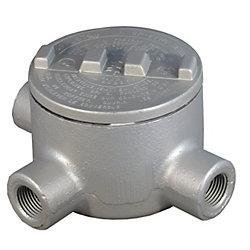
The Appleton GRT50 JLT is an explosion-proof conduit outlet box designed to integrate with hazardous-location electrical systems. Its rugged construction supports safe conduit connections and act as a compatible enclosure for explosion-proof outlets or devices. It is best for HazLoc installations where a sturdy conduit box with mounting options is needed for reliable power distribution.
Best for: HazLoc conduit box needs that require a durable enclosure with clean integration points for explosion-proof outlets.
Why selected: It provides a proven enclosure framework for safe electrical distribution in challenging environments.
Caution: Verify the exact enclosure rating and ensure the unit matches the components used in your overall explosion-proof system.
ELEGRP Outdoor GFCI Outlet Kit
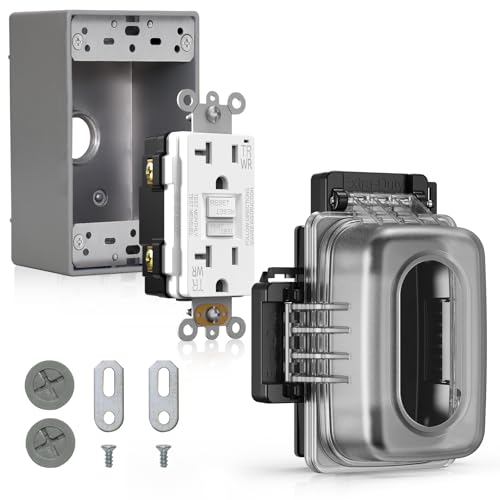
Note: This entry represents an outdoor GFCI-based solution rather than a strictly explosion-proof outlet, but it is included to contrast non-explosion-proof outdoor safety devices that might coexist with explosion-proof hardware in mixed-use areas. The kit includes a durable metal junction box, a self-testing GFCI, and a weatherproof in-use cover. It is UL-listed for reliability and designed to withstand outdoor exposure, including UV and corrosion resistance. This option is best for outdoor spaces that require safe, grounded protection, though it is not an explosion-proof device.
Best for: Outdoor safety where GFCI protection and weatherproofing are priorities, and HazLoc certification is not required.
Why selected: It demonstrates how outdoor electrical safety products differ from explosion-proof units while still emphasizing safety standards and reliable operation.
TOPGREENER Recessed Receptacle

The TOPGREENER recessed duplex receptacle is designed to blend a professional look with practical safety. It is a 15A, 125V unit with a recessed design that reduces the chance of accidental unplugging and cord damage. While not explosion-proof, this option is relevant for installations in environments where a neatly integrated, space-saving outlet is needed near walls or entertainment areas. It serves as a reference point for non-HazLoc components in mixed-use areas.
Best for: Indoor installations where a clean, professional finish and reduced protrusion are desired.
Why selected: It illustrates how recessed designs improve safety and aesthetics in safer zones of a facility.
Buying Guide: explosion proof outlets and related safety considerations
- Environmental rating and certification: Choose outlets with appropriate explosion-proof ratings (e.g., UL/CSA HazLoc). Confirm enclosure and sealing specifications that match your environment (wet, corrosive, or dusty).
- Voltage and amperage: Match the device to the intended equipment. Explosion-proof outlets commonly operate at 125V or 250V and 20A; verify compatibility with your gear and circuits.
- Connection type and opening size: Consider feed-thru capabilities, 3/4 inch openings, and whether you need a single receptacle or a combined plug-and-receptacle setup for ease of use and maintenance.
- Material and durability: Look for corrosion-resistant housings, rugged gaskets, and UV-stable finishes for outdoor or harsh indoor environments.
- Application scope: Separate preferences exist for complete receptacle assemblies, conduit boxes, and standalone outlets. Determine whether you need a full assembly, a simple receptacle, or an integrated conduit box.
- Installation and maintenance: Ensure proper enclosure, grounding, and seal integrity. Consider the ease of replacement in HazLoc zones and whether certified installers are required.
Frequently asked questions
- What is an explosion-proof outlet? It is an electrical outlet designed to prevent ignition sources from igniting surrounding hazardous atmospheres, typically featuring a sealed enclosure and specialized components.
- When should I use 125V versus 250V explosion-proof outlets? Use 125V outlets for standard 125V equipment and 250V outlets when your circuits or motors require higher voltage or larger loads, ensuring compatibility with your equipment and codes.
- Are explosion-proof outlets suitable for outdoors? Yes, many are designed for outdoor or harsh environments, but verify the enclosure rating, sealing, and weatherproofing for your climate.
- Do I need a licensed electrician for installation? Yes, installation in HazLoc areas or hazardous environments typically requires qualified personnel to meet safety and code requirements.
- Can these outlets be used with standard plugs? Explosion-proof receptacles accept standard plugs rated for the same voltage and amperage, but check the product specifics and enclosure compatibility.
- How do I determine the right product for my site? Identify the hazardous location class, voltage, current requirements, environmental exposure, and whether you need a receptacle, plug, or conduit box as part of the system.